Picking the right thickness for roofing sounds simple at first… until you actually try to decide. One contractor says go thicker, another says you are overspending, and somewhere in between you are just trying to figure out what works.
So let’s start here. Steel sheets are not just about covering a roof. They quietly decide how long that roof lasts, how it handles heat, rain, wind, and even how it sounds when a storm rolls in. That faint tapping during rain… you notice it more with thinner sheets. Strange detail, but it matters.
And honestly, choosing the right thickness is less about rules and more about understanding where and how the roof will live.
What Are Steel Sheets and Why Do They Matter for Roofing?
You already know the basics. Flat metal panels, shaped and coated, used everywhere from homes to warehouses. But that’s not really the point.
The point is how steel sheets behave over time:
- They expand in heat
- They resist corrosion if coated right
- They handle wind pressure and debris load
- They show weaknesses quickly if thickness is wrong
What Thickness Is Actually Right?
This is where people expect a fixed answer. There is none.
Still, there are some general patterns:
- Residential roofing: around 0.4 mm to 0.6 mm
- Commercial spaces: around 0.5 mm to 1.0 mm
- Industrial buildings: often above 0.8 mm
But even this feels incomplete.
Because real conditions change things:
- Strong winds increase stress
- Extreme heat causes expansion
- Heavy rainfall adds load
Factors That Actually Influence Your Choice
Let’s slow this down and look at what really matters:
Climate (it always comes back to this)
- Hot regions expand metal faster
- Coastal areas increase corrosion risk
- Windy zones constantly test strength
- Thicker steel sheets perform better in extreme conditions
Roof Design and Slope
- Flat roofs: water stays longer, more load pressure
- Sloped roofs: better drainage, less stress
- Slightly thinner sheets may work on well-designed slopes
Structural Support
- Strong framing allows thinner sheets
- Weak or wide spacing leads to flexing
- That bending sound you sometimes hear? It is real
Budget vs Lifespan
- Thinner sheets = lower upfront cost
- But more maintenance over time
- Thicker sheets = higher initial cost, lower long-term stress
What Are the Common Types of Steel Sheets Used in Construction?
Not all sheets are the same. And honestly, type matters as much as thickness.
Here are the common options:
- Galvanized steel sheets → resist rust, widely used
- Galvalume sheets → better corrosion resistance with aluminum coating
- Cold rolled sheets → smoother finish, more refined
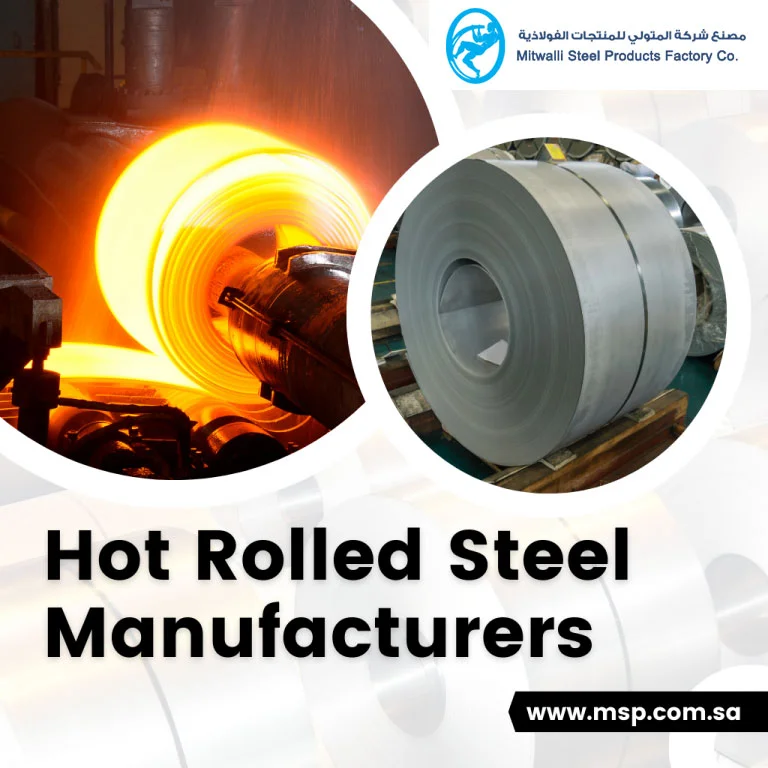
- Hot rolled sheets → stronger, slightly rougher
- Color coated sheets → protection + visual appeal
Best Suppliers of Steel Sheets in Saudi Arabia
Finding the right thickness is one thing. Finding the right supplier is something else entirely.
Because quality is not always visible at first glance.
Reliable manufacturers like Mitwalli Steel Products Factory Co focus on:
- Consistent material quality
- Performance across different environments
- Long-term durability, not just initial appearance
A good supplier does more than sell steel sheets:
- They guide your selection
- They suggest better options
- They sometimes push back when a choice is wrong
Common Mistakes People Still Make
It happens more often than you would expect:
- Choosing thinner sheets just to save cost
- Ignoring local weather conditions
- Assuming all coatings perform the same
- Not asking enough questions
And then problems appear slowly:
- Slight bending
- Early corrosion
- Noise issues
A Few Practical Thoughts Before You Decide
Before making the final decision, keep these in mind:
- Match thickness with actual usage, not just recommendations
- Talk to someone with local installation experience
- Check sample sheets physically if possible
Conclusion
Choosing the right thickness for roofing is not about picking the strongest option or the cheapest one. It sits somewhere in between, shaped by climate, structure, and how long you want that roof to quietly do its job.
Good steel sheets do not draw attention. They simply stay there, season after season, handling more than you notice.
FAQs on Steel Sheets
1. What thickness of steel sheets is best for roofing?
It depends on the application. Residential roofs often use 0.4 mm to 0.6 mm, while industrial structures may require thicker sheets for added strength.
2. Are thicker steel sheets always better?
Not always. Thicker sheets offer durability but may increase cost and weight. The right balance depends on climate and structure.
3. Which type of steel sheets is best for construction?
Galvanized and galvalume steel sheets are commonly preferred due to their corrosion resistance and long lifespan.
4. How long do roofing steel sheets last?
With proper coating and installation, quality steel sheets can last 20 to 40 years or even longer depending on environmental conditions.