From oil and gas facilities to power plants and large industrial structures, steel tubes play an important role in projects where strength, reliability, and dimensional consistency matter. With a versatile design, they can support structural frameworks, transport fluids and protect essential infrastructure in demanding environments.
Besides the tube profile, size, wall thickness, and steel grade, there are different options, depending on the application. For example, hollow steel tubes can provide an efficient combination of strength and weight, and specialized profiles can fulfill specific structural requirements.
Knowing where steel tubes are used and what needs to be considered when purchasing them will help project teams make more practical and cost-effective decisions.
Quick Summary
-
Steel tubes are used across oil, gas, power and industrial construction projects.
-
The strength-to-weight ratio of hollow steel tubes makes many applications feasible.
-
Structural steel tubing can be used to support frames, platforms, supports and other structures.
-
Square steel tubing and rectangular steel tubing are used for different fabrication and load requirements.
-
Choosing the right grade, dimensions, wall thickness, and finish is critical to the performance of the project.
Where Are Steel Tubes Used in Oil, Gas and Energy Projects?
Industrial projects typically deal with heavy loads, harsh operating conditions, and difficult installation demands. Steel tubes can satisfy many of these requirements with their strength, versatility and fabrication potential.
Structural Frameworks and Supports
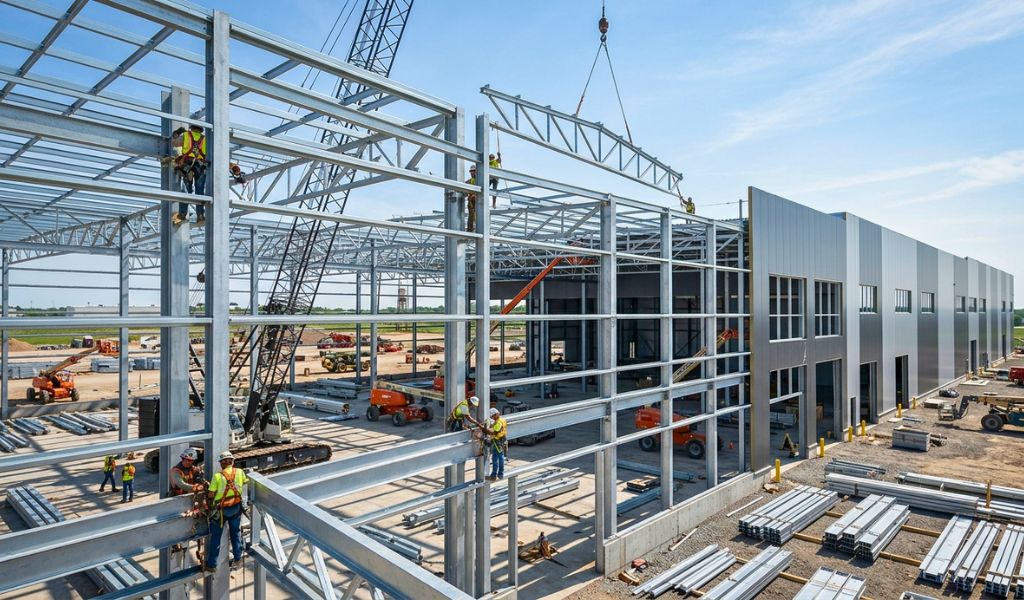
Structural steel tubes are frequently used as columns, beams, bracing systems, equipment supports, walkways and platforms. A closed profile can give useful resistance to bending and compression, and can still have a relatively clean structural appearance.
These tubes can also be part of support structures around machinery, pipelines and processing equipment in large energy facilities.
Oil and Gas Infrastructure
Various applications need reliable materials at oil and gas facilities. Depending on engineering specifications, steel tubes can be used for supports, frames, protective structures, and other fabricated components.
For fluid or gas transportation applications, the material and manufacturing requirements should be selected according to the relevant design codes and operating conditions rather than a general-purpose tube.
Power and Industrial Facilities
Power stations, processing plants and manufacturing facilities often have large structural frameworks. Steel tubes for construction can be used in equipment supports, roof structures, maintenance platforms and other fabricated assemblies.
They are also useful when projects require custom-cut or welded parts due to their versatility.
What Are the Benefits of Steel Tubes for Industrial Applications?
Steel tubing has many practical advantages for industrial projects.
High Strength and Structural Performance
Steel is an excellent foundation for parts that must bear heavy loads. Tube profiles can also be good at spreading material around the section, so they are useful for structural applications.
Efficient Material Use
Many tubes have a hollow profile that removes unnecessary material from the center of the section while retaining useful structural properties. Hollow steel tubes are thus an efficient choice for some applications.
Fabrication Flexibility
Generally, steel tubes can be cut, welded, drilled, and fabricated into different assemblies as long as proper processes and specifications are followed. This flexibility can simplify the production of frames, supports, and equipment structures.
Consistent and Professional Finish
Depending on the manufacturing process and finishing needs, the steel tubes can offer uniform dimensions and appearance. This is especially useful when you deal with projects that have repetitive structural elements.
Long-Term Practicality
When the right steel grade, coating, and maintenance strategy are chosen, steel tube components can offer dependable service in harsh industrial environments.
What Factors Should I Consider When Choosing Steel Tubes?
Choosing the right tube is more than just price per meter. Please consider the following before placing your order.
Application and Load Requirements
First, determine what the tube is going to be used for structural support, fabrication, equipment framing, or something else. The choice of specification can depend on load, span, method of connection, and environmental conditions.
Shape and Dimensions
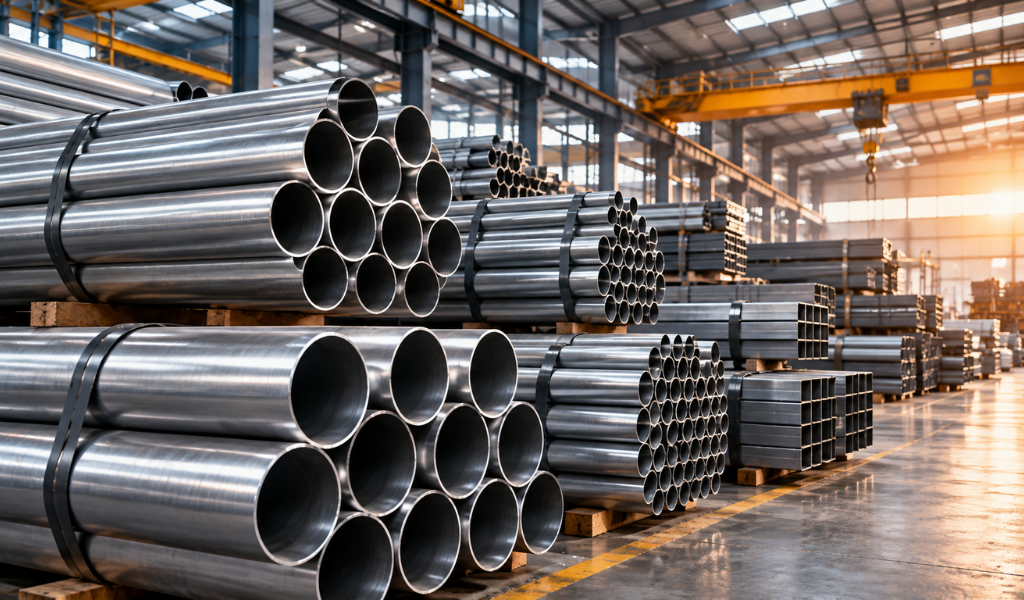
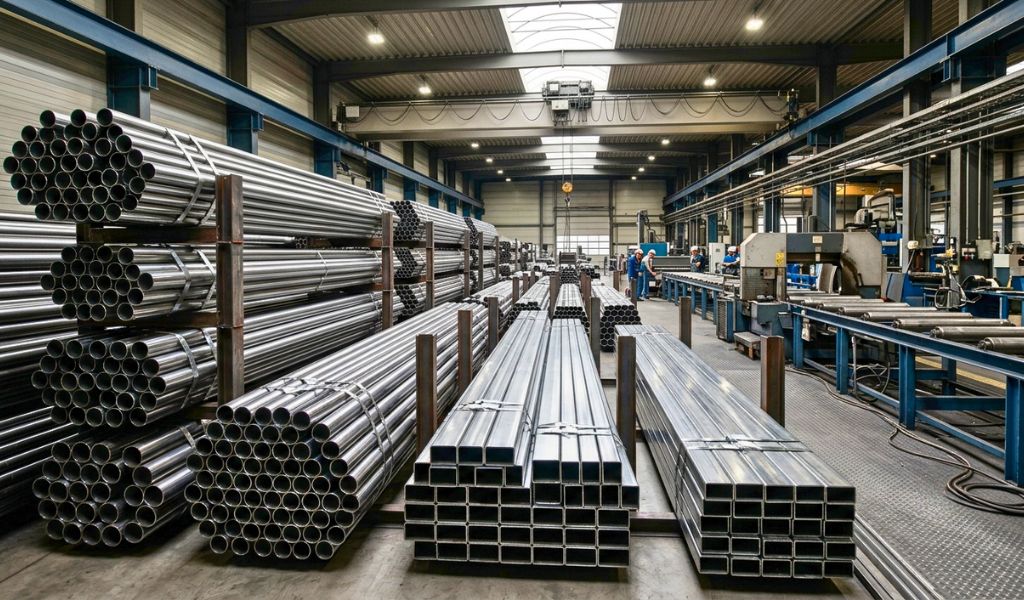
The profile shall meet the structural and fabrication requirements as specified in the project. Square steel tubes are often the selection where symmetrical sections and simple connections are desired. Rectangular steel tubes are useful where different dimensions are needed for the width and depth of the section.
Wall Thickness and Steel Grade
Wall thickness influences weight, strength, and fabricability. The steel grade shall also meet the engineering requirements of the project, applicable standards, and expected service conditions.
Corrosion Protection
Projects that are outdoors or in harsh industrial environments may need to utilize appropriate coatings or other corrosion control methods. Consider exposure to moisture, chemicals, temperature, and other environmental factors before finalizing specifications.
Quality and Manufacturing Standards
Always ensure that the supplier can provide products manufactured to the required standards and that suitable quality documentation is available. Large industrial projects may require specific needs for consistent dimensions and traceability.
Practical Guide to Selecting the Right Tube
|
Project requirement |
Suitable tube consideration |
Why it matters |
|
Structural frames |
Structural steel tubes |
Provides useful strength for fabricated structures |
|
General fabrication |
Hollow steel tubes |
Offers versatility for supports and assemblies |
|
Symmetrical framework |
Square steel tubes |
Convenient for many connection and fabrication designs |
|
Longer rectangular sections |
Rectangular steel tubes |
Provides flexibility in width and depth |
|
Building and industrial structures |
Steel tubes for construction |
Suitable for a range of structural applications |
|
Harsh environments |
Appropriate grade and coating |
Helps address corrosion and service conditions |
For large projects, it is advisable to discuss the application with a technically experienced supplier before quantities and specifications are confirmed. Mitwalli Steel Products Factory Co can assist project teams in selecting the appropriate tube options based on their specified needs and project criteria.
Also read: What Are the Common Types of Steel Tubes Used in Building Construction Projects?
Why Supplier Selection Matters?
The quality of the finished structure is not just the tube specification, but also the manufacturing consistency and supply reliability. A good supplier should be able to provide clear product information, consistent dimensions, and appropriate documentation.
For oil, gas, and energy projects, delivery schedules, required quantities, fabrication requirements, and project-specific standards are also important considerations. Working with an experienced manufacturer like Mitwalli Steel Products Factory Co can make sourcing easier.
Conclusion
Steel tubes are a versatile building block for oil, gas, energy, and industrial projects, providing a practical combination of strength, fabrication flexibility, and efficient use of materials. Different engineering requirements, from structural frames and equipment mounts to constructional purposes, can be fulfilled by different tube profiles.
Before selecting a product, consider the application, load requirements, dimensions, wall thickness, steel grade, exposure to corrosion, and applicable standards. Selection of the right steel tubes at the specification stage can help to ensure safer, more reliable, and efficient project results.
FAQs about Steel Tubes for Industrial Application
1. What are steel tubes used for in industrial projects?
Steel tubes are used for structural frames, equipment supports, platforms, fabrication assemblies, and various construction applications across industrial facilities.
2. Are hollow steel tubes suitable for structural applications?
Yes. Hollow steel tubes can be suitable for many structural applications when their dimensions, steel grade, and wall thickness meet the project's engineering requirements.
3. What is the difference between square and rectangular steel tubes?
Square steel tubes have equal width and height, while rectangular steel tubes have different dimensions. The appropriate profile depends on structural loads, available space, and connection requirements.
4. How do I choose steel tubes for construction?
Consider the intended application, load requirements, tube dimensions, wall thickness, steel grade, corrosion exposure, and relevant manufacturing standards before selecting a product.