Steel tubes are widely used across industrial and construction projects because they combine strength, durability and practical design flexibility. Whether it is structural frameworks and supports or machinery and infrastructure, the ideal tube can make a difference to the safety, performance, and service life of the project.
A basic knowledge of tube shape, dimensions, material properties, and intended use facilitates a flowchart approach to selecting an appropriate product. When dealing with structural steel tubes, it's also a good idea to work with an experienced manufacturer to ensure that the specification matches the application for reliable projects.
Quick Summary
-
Steel tubes provide strong and versatile solutions for construction and industrial work.
-
Different structural requirements can be expressed in square, round, and rectangular tubes.
-
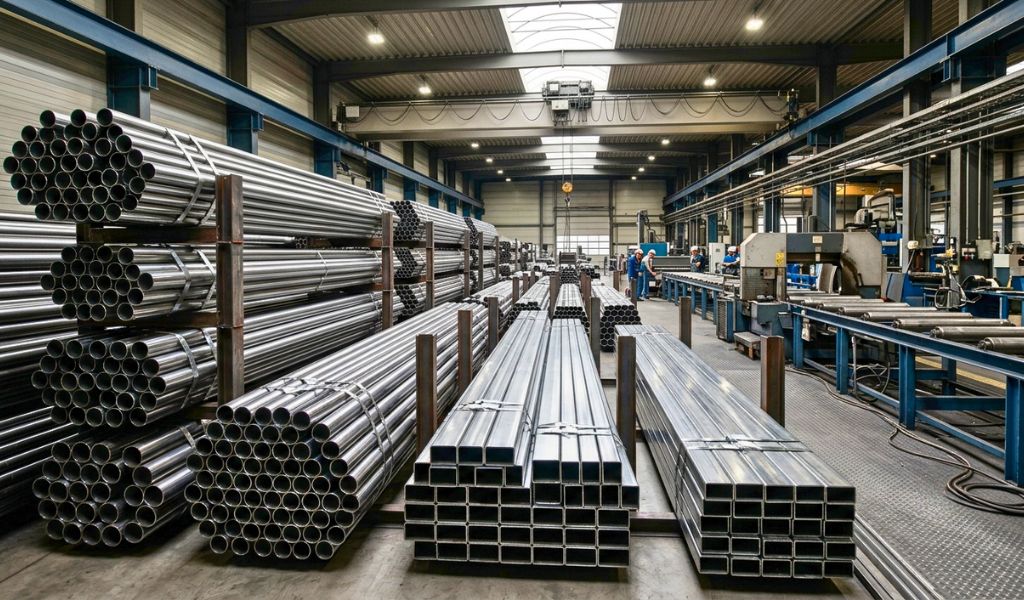
Hollow-tubed steel can offer great strength without the unnecessary weight.
-
Tube selection should consider load, dimensions, environment, and fabrication needs.
-
Reliable performance requires good manufacturing and accurate specs.
What are steel tubes used for in construction?
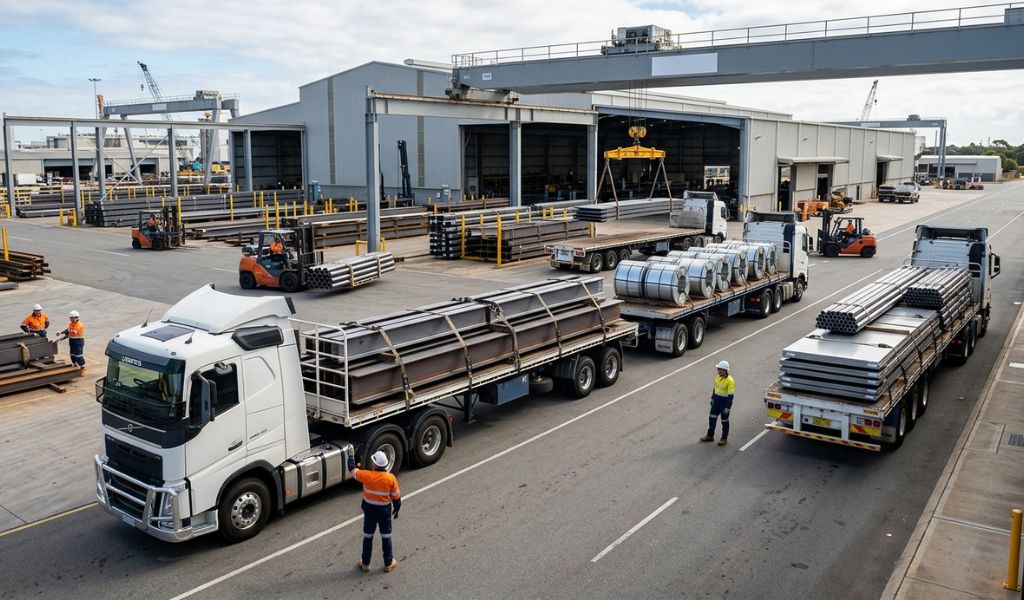
Construction steel pipes are primarily applied to columns, frames, supports, trusses, railings, and other structural elements. Additionally, their hollow profile can offer beneficial strength while keeping the material weight manageable.
They can also be used in industrial buildings, industrial warehouses, platforms, and infrastructure requiring durable structural components.
Common steel tube applications
Typical steel tube applications include:
-
Building frames and supports
-
Industrial structures and platforms
-
Machinery and equipment frameworks
-
Handrails and protective barriers
-
Transport and infrastructure projects
How do steel tubes improve structural strength?
Steel pipes assist in soffit structure systems that can assist in exerting tension, pulsating, and external load. The cross-section they use gives a nice ratio between weight and torque.
A tube is only as good as its steel, wall thickness, size, method of connections, and the loads involved. As a result, final specifications should thus be defined by sound engineering calculations.
Are hollow steel tubes strong enough for building structures?
Yes. If the correct grade, dimensions, and wall thickness are specified, then hollow steel tubes can actually be robust enough for numerous building and industrial structures.
Use hollow designs to minimize unnecessary weight while maintaining useful structural capacity. But, based on the project engineering requirements, it may not depend on the tube shape.
What is the difference between square, round, and rectangular steel tubes?
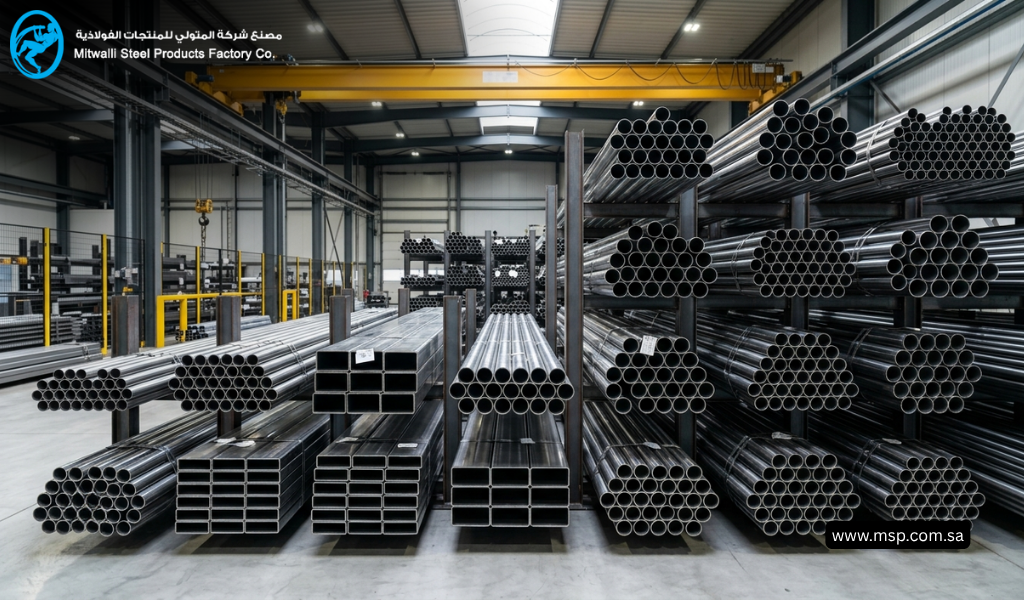
The main difference is their cross-sectional shape, which affects appearance, connection methods, load behaviour and fabrication.
|
Tube Type |
Typical Advantages |
Common Uses |
Suitable When |
|
Square |
Balanced strength and easy joining |
Frames, supports, structures |
Equal-direction support is required |
|
Round |
Smooth profile and good resistance to forces from different directions |
Railings, pipes, frameworks |
Curved or rotational designs are involved |
|
Rectangular |
Efficient for directional loading and wider surfaces |
Beams, frames, supports |
Space or load orientation matters |
Also read:- What Are the Common Types of Steel Tubes Used in Building Construction Projects?
How do I choose the right steel tube for a construction project?
Begin with the needs of the project and the physical environment of the project. The size of the tube, span, wall thickness, steel class, and connection must be taken into consideration depending on the estimated loading
Corrosion protection and surface belt requirements should also be evaluated for outdoor or demanding environments. On an equal footing are fabrication requirements, suitable for availability and industrial standardization.
A specialist manufacturer can clarify the specification before you procure. Mitwalli Steel Products Factory Co provides hollow tube solutions for versatile applications where reliable steel products are desired.
A practical specification checklist
Before ordering, confirm:
-
Required tube shape and dimensions.
-
Steel grade and mechanical properties.
-
Wall thickness and load requirements.
-
Project standards and specifications.
-
Surface finish or corrosion protection.
-
Cutting, welding, or fabrication requirements.
-
Quantity, delivery schedule, and availability.
For more information about hollow tube solutions, explore the relevant product range from Mitwalli Steel Products Factory Co.
Conclusion
The right steel tubes can make a significant difference to the strength, durability, and efficiency of an industrial or construction project. Square, round and rectangular profiles each offer distinct advantages, while hollow designs can provide an effective strength-to-weight balance.
Aligning the design with the actual project requirements for tube dimensions, material grade, and basically the design itself, to produce a robust outcome. Chat with an expert supplier; they will help you choose the right structural steel tubes. And you only required a few seconds for that.
FAQs about Steel Tube
1. What are steel tubes mainly used for?
Steel tubes are used for structural frames, supports, machinery frameworks, platforms, railings, and various industrial applications.
2. Are hollow steel tubes suitable for construction?
Yes. Hollow steel tubes can be suitable for construction when their grade, dimensions, and wall thickness meet the project's engineering requirements.
3. Which steel tube shape is strongest?
There is no single strongest shape for every application. Square, round, and rectangular tubes perform differently depending on loading, orientation, and design.
4. How do I know which steel tube size I need?
Tube size should be determined from structural loads, span, support conditions, steel grade, wall thickness, and relevant engineering standards.