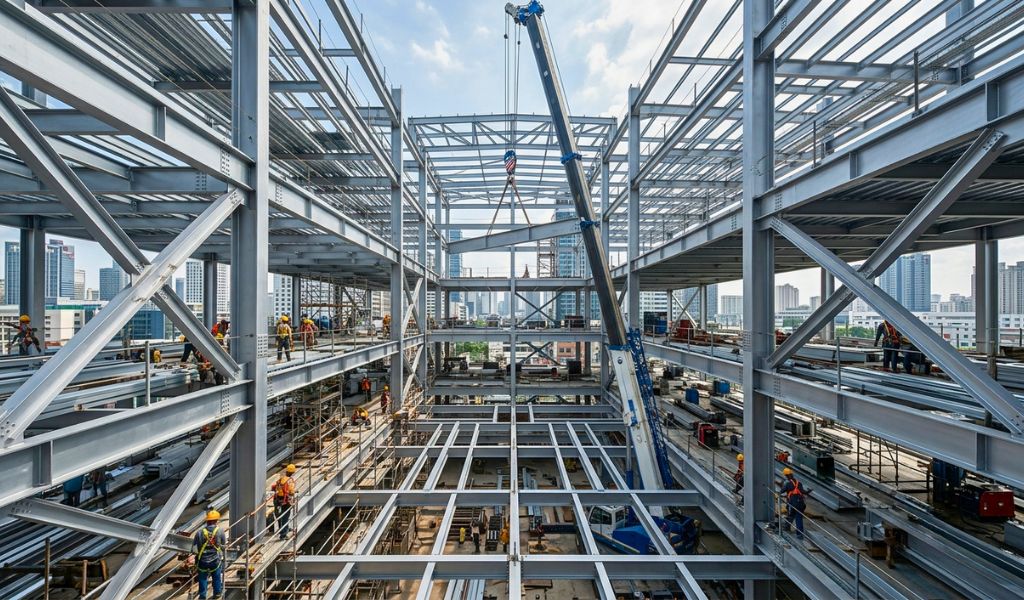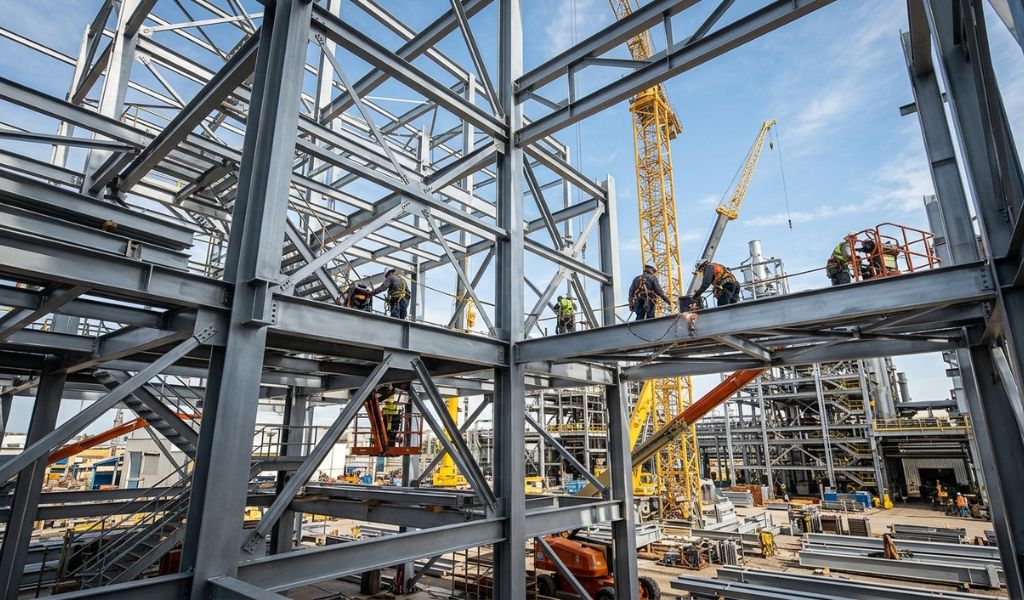
Selecting a building system can have enormous impacts on the time required for projects, their costs, and their long-term performance. With large-scale developments becoming more detailed and elaborate in nature, engineers, contractors and developers globally favour steel-based solutions.
Steel building systems of today embody strength, flexibility and efficiency that traditional construction methods struggle to rival. Developer, contract and procurement manager or project delivery specialistAll types of storage facilities such as warehouse, industrial structures, manufacturing facility, logistics hub or commercial complex also benefit from carefully planned steel structure for speedier project delivery and longer-term operational success.
For modern infrastructure projects, companies like Mitwalli Steel Products Factory Co provide dependable steel solutions tailored to the construction industry's stringent requirements.
Summary
-
Steel building systems support faster construction timelines.
-
They offer exceptional durability and structural strength.
-
Sustainable building systems help reduce environmental impact.
-
Flexible building systems design allows future expansion.
-
Steel structures are ideal for industrial and large-scale commercial projects.
What is a Building System in Construction?
Building systems are the integrated system of structural, architectural and engineering elements that together make a building whole. This also comprises the building materials, structural supports, roof systems, wall structure units along with current installments that allow all of them in order to integrate set up because an entire.
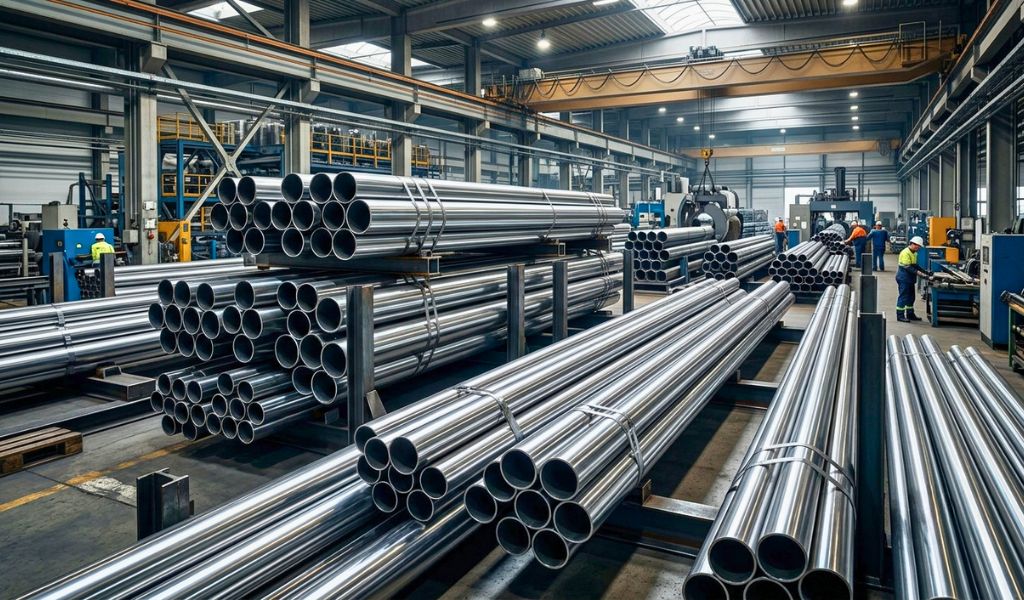
The modern design of building systems denotes efficiency, safety, longevity, and sustainability. Prefabricated components in steel construction are manufactured outside the project location to minimise site assembly, reducing construction delays and need for manpower.
What are the Different Types of Building Systems?
Several building systems are used across the construction industry, depending on project requirements:
Traditional Concrete Systems
These structures rely heavily on reinforced concrete and masonry. They are commonly used in residential and institutional projects.
Steel Building Systems
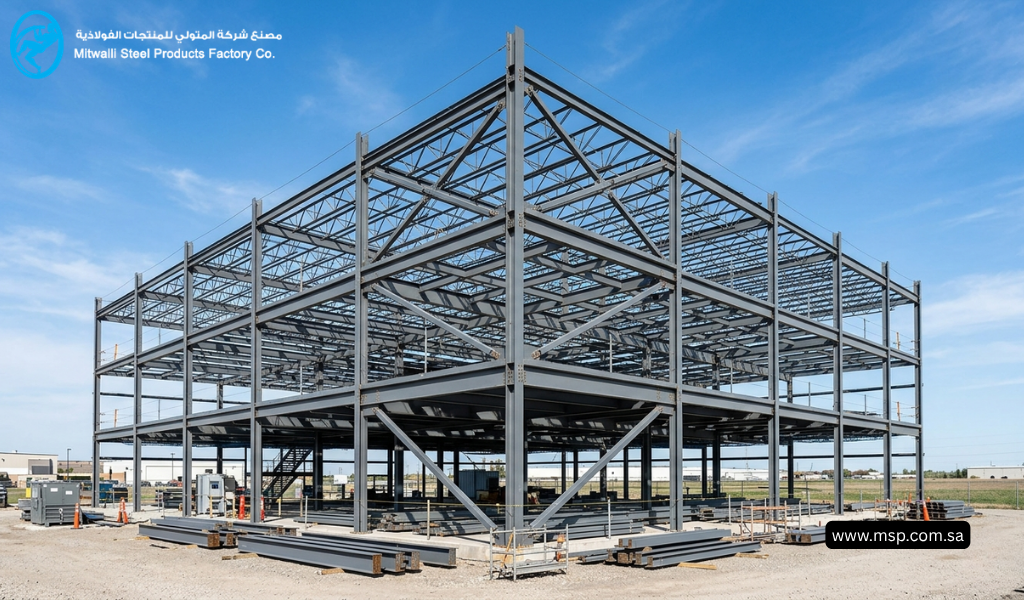
These systems utilize structural steel frames, columns, beams, and roof assemblies. They are widely used for industrial and commercial facilities because of their strength and speed of construction.
Modular Building Systems
Prefabricated building sections are manufactured off-site and assembled at the project location.
Hybrid Systems
Hybrid structures combine steel, concrete, and other materials to maximize performance and cost efficiency.
Among these options, steel building systems are often preferred for projects requiring large clear spans, flexibility, and rapid completion.
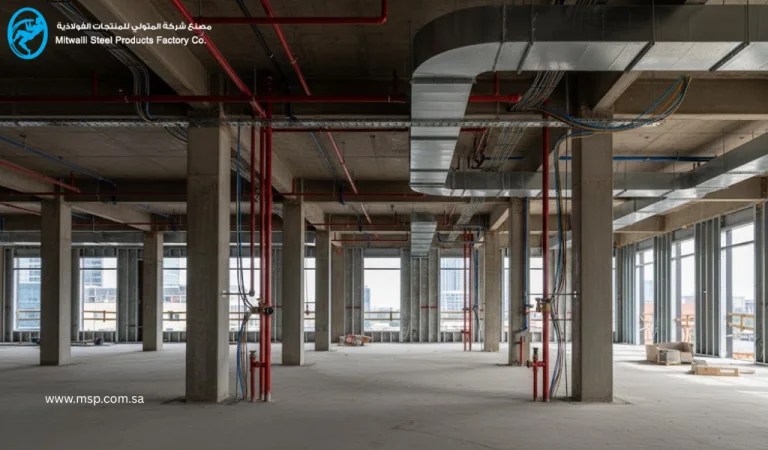
Benefits of a Building System for Large-Scale Construction
Faster Construction Schedules
One of the biggest advantages of a steel-based building system is speed. Since many components are fabricated in controlled manufacturing environments, on-site assembly can be completed much faster than traditional methods.
Superior Structural Strength
Steel offers an excellent strength-to-weight ratio, making it ideal for large warehouses, factories, distribution centers, and industrial facilities.
Design Flexibility
Modern building systems design allows architects and engineers to create customized structures that meet specific operational needs. Future expansions can often be integrated with minimal disruption.
Lower Maintenance Requirements
Steel structures resist many common issues such as warping, cracking, and pest damage. This reduces maintenance costs throughout the building's lifespan.
Sustainability Benefits
Today's sustainable building systems support environmentally responsible construction practices. Steel is highly recyclable and generates less construction waste compared to many traditional materials.
Practical Comparison Table
|
Feature |
Steel Building System |
Traditional Concrete System |
|
Construction Speed |
Fast |
Moderate to Slow |
|
Structural Strength |
Excellent |
High |
|
Expansion Flexibility |
Very High |
Limited |
|
Maintenance Costs |
Low |
Moderate |
|
Sustainability |
Highly Recyclable |
Moderate |
|
Cost Efficiency for Large Projects |
High |
Moderate |
|
Industrial Applications |
Ideal |
Suitable |
Also read:- How to Design and Implement a Sustainable Building System for Modern Constructions?
Which Building System is Best for Industrial Buildings?
For most industrial projects, a steel building system is considered one of the best solutions available.
Industrial facilities often require:
-
Large open floor spaces
-
High load-bearing capacity
-
Future expansion opportunities
-
Fast project completion
-
Long-term durability
Steel structures fulfill all of these requirements while remaining economically viable. This makes them especially ideal for industrial developments which require heavy equipment, storage systems and manufacturing.
It is why a lot of construction professionals team up with established suppliers such as Mitwalli Steel Products Factory Co when they plan industrial facilities and large infrastructure projects.
The Role of Sustainable Building Systems in Modern Construction
Sustainability is a key decision driver in construction. Sustainable building systems decrease the environmental impact, while enhancing long-term performance of the building.
Steel contributes to sustainability by:
-
Supporting material recycling
-
Reducing construction waste
-
Improving energy-efficient design opportunities
-
Extending building lifespan
-
Lowering resource consumption during renovation and expansion
Steel has also demonstrated practicality in these aspects even as environmental standards continue evolving.
Conclusion
A new building system is essential for large-scale construction. With accelerated installations, excellent strength-to-weight ratio, design versatility and sustainability advantages, steel is the material of choice for industrial and commercial construction.
Now with advanced steel building systems, businesses can experience increased efficiency, durability and long term value. Each facility, from warehouse and manufacturing through to larger commercial developments, should communicate with industry leaders such as Mitwalli Steel Products Factory Co throughout the planning process in order to ensure that all projects will be successful from concept through completion.
FAQs on Building Systems
1. What is a building system in construction?
A building system is the combination of structural, architectural, and engineering components that work together to create a complete and functional building.
2. Why are steel building systems popular for large projects?
Steel building systems provide faster construction, high strength, design flexibility, and long-term durability, making them ideal for large-scale projects.
3. Are steel building systems sustainable?
Yes. Steel is highly recyclable and supports sustainable building systems by reducing waste and improving resource efficiency.
4. Which building system is best for industrial buildings?
A steel building system is often considered the best option for industrial facilities because it offers large open spaces, structural strength, and easy future expansion.