How to Choose the Right Thickness for Roofing Steel Sheets?
Selecting the correct steel sheets thickness is one of the most important decisions when planning a roofing project. The thickness of roofing steel sheets determines the degree of durability, weather resistance, structural strength and cost of ownership, whether for warehouse, factory, commercial buildings or residential construction.
In modern construction, roofing steel sheets are in high demand as they are strong, durable, and quick to install. On the flip hand, if the thickness chosen is unsuitable, noise problems, deformation, corrosion problem in addition to premature replacement may occur in the latter time. In this guide, we lay out how you should decide on the right thickness, what you should look out for, and how reputable suppliers like Mitwalli Steel Products Factory Co. guarantee the best results.
Understanding Steel Sheets Thickness and Why It Matters
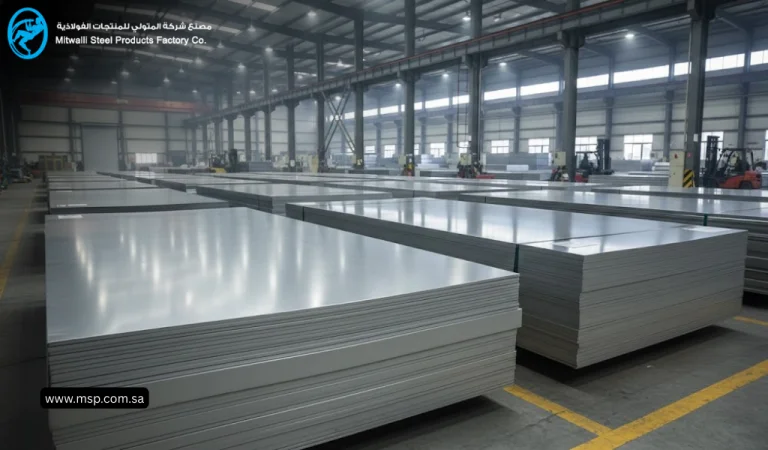
Steel sheet thickness is usually specified in gauge or mm. Mild steel is typically bought in 2400 x 1200mm sheets and whilst the lower gauge numbers indicate thicker sheets, the higher gauge numbers indicate thinner materials.
Choosing the correct thickness ensures:
- Structural stability under load
- Resistance to wind uplift and heavy rain
- Reduced vibration and noise
- Improved lifespan and corrosion resistance
- Lower maintenance costs over time
When choosing thickness for roofing applications, it is not only a matter of strength, but also of how it performs in the specific environmental setting.
Common Thickness Options for Roofing Steel Sheets
The most widely used thickness ranges for roofing steel sheets include:
0.30 mm – 0.40 mm
Suitable for temporary structures, small sheds, and low-load areas.
0.45 mm – 0.50 mm
Common for residential roofing and light commercial applications.
0.55 mm – 0.70 mm
Ideal for industrial buildings, warehouses, and high-wind regions.
0.80 mm and above
Recommended for heavy-duty industrial structures and areas exposed to extreme weather.
A trusted supplier like Mitwalli Steel Products Factory Co. can suggest the appropriate thickness based on type of construction and temperature conditions.
Factors That Determine the Right Roofing Thickness
1. Climate and Weather Conditions
Thicker roofing sheets are required in areas with heavy rainfall, strong winds, high humidity or extreme heat. The resistance to weather damage is better for thicker corrugated galvanized steel sheets.
2. Building Type and Structural Load
Industrial buildings and warehouses require roofs that can better withstand the structural load and vibration created by equipment. In such environments thicker sheets are needed for durability.
3. Roof Slope and Design
Low-slope roofs may hold water for more extended periods, leading to a greater risk of corrosion. Long term decay is avoided with thicker galvanized sheets.
4. Noise and Thermal Performance
High impact (thicker) sheets are more effective in reducing noise triggered by rain and ensure effective thermal performance in conjunction with appropriate insulation systems.
5. Budget vs Long-Term Value
While the upfront cost of thinner sheets is lower than thicker, they can be more expensive in the long run, since thinner sheets may need to be repaired or replaced sooner. Investing in appropriate thickness promotes long-term cost-effectiveness.

Corrugated Galvanized Steel Sheets: A Roofing Favorite
Corrugated galvanized steel sheets are highly preferred in roofing as it combines durability with strength and corrosion resistance.
Benefits include:
- Zinc coating protects against rust
- Corrugated design improves load strength
- Lightweight yet durable
- Ideal for humid and coastal environments
They are highly recommended for those cases that require durability; hence, they are ideal for industrial and agricultural structures.
Comparing Hot Rolled Steel Sheets and Galvanized Roofing Sheets
Hot Rolled Steel Sheets
Introduction Hot rolled steel sheet is a commonly used structural material, but needs to be protected with a coating for use in roofing. They are durable and inexpensive, but naturally, they have low corrosion resistance.
Galvanized Roofing Sheets
Since galvanized sheets have much better corrosion resistance than galvalume sheets, the former is the most commonly used roof sheet especially in humid or coastal areas.
Professionals dealing with steel sheets suppliers can help you select the best material for your roof that will last long-term.
How to Choose Reliable Steel Sheets Suppliers?
The key to getting the right qualities like sheet thickness and coating quality, delivery, etc., in steel sheets, it is vital to find a reliable supplier.
Look for suppliers that offer:
- Certified quality standards
- Consistent thickness tolerance
- Corrosion-resistant coating options
- Custom sizing and fabrication
- Reliable logistics and support
When you are looking for galvanized steel sheets near me, quality as well as technical guidance both can be guaranteed if you are dealing with an established manufacturer.
Also read: Steel Sheets 101: A Comprehensive Overview for Engineers and Designers
Why Roofing Steel Sheets Are Ideal for Modern Construction?
Roofing steel sheets are gaining popularity in contemporary construction due to many benefits, including the following:
- Long service life with minimal maintenance
- Resistance to pests, rot, and fire
- Quick installation and reduced labor costs
- High strength-to-weight ratio
- Compatibility with insulation systems
- Sustainable and recyclable material
Thus making them quite suitable for residential, commercial as well as industrial projects.
Sustainability and Long-Term Performance
Steel roofing products are one of the green construction solution. They are entirely recyclable and most are produced from recycled materials. Selecting the appropriate thickness also minimizes the waste of unwanted sheets resulting in premature recyclability.
Galvanized roofing sheets have a service life of decades which helps to lower environmental and lifecycle costs.
Common Mistakes to Avoid When Choosing Roofing Thickness
Avoid these errors to ensure durability and performance:
- Selecting thickness based only on price
- Ignoring climate and environmental exposure
- Using non-galvanized sheets in humid areas
- Choosing unreliable suppliers
- Overlooking structural load requirements
Partnering with established suppliers such as Mitwalli Steel Products Factory Co. prevent such expensive errors.
Final Thoughts
Choosing the right thickness for steel sheets is critical for ensuring roofing durability, weather resistance, and long-term cost efficiency. From residential homes to large industrial facilities, selecting appropriate roofing steel sheets improves structural performance and reduces maintenance.
By working with trusted steel sheets suppliers and experienced manufacturers like Mitwalli Steel Products Factory Co., project owners can ensure reliable material quality and expert guidance. Investing in the correct thickness today guarantees stronger, quieter, and more resilient roofing for years to come.
FAQs on Steel Sheets
1. What thickness is best for roofing steel sheets?
For most buildings, 0.45 mm to 0.70 mm is ideal. Industrial structures or high-wind areas may require thicker sheets.
2. Are corrugated galvanized steel sheets better for roofing?
Yes. They provide corrosion resistance, strength, and durability, making them ideal for outdoor and humid environments.
3. How do I find galvanized steel sheets near me?
Choose reputable steel sheets suppliers with certified products and reliable delivery to ensure quality and performance.
4. Can hot rolled steel sheets be used for roofing?
They can be used if coated or treated, but galvanized sheets are better suited due to corrosion protection.
5. Do thicker roofing sheets reduce noise?
Yes. Thicker sheets minimize vibration and rain noise while improving overall roof performance.