Steel coils are one of the most common types of steel used in modern manufacturing and construction. These coils are made by rolling steel into long continuous sheets and winding it so they are used for flexibility or efficiency, or save along the way in different sectors.
Steel coils are a core part of the economy today from anything automotive production and infrastructure projects to appliances and industrial equipment. From hot rolled products, galvanized steel coil to a specialty like steel rebar coils that some businesses may require, selecting the appropriate material will have an effect on project quality and performance.
This guide offers insights on how these coils are made, their different types and where they end up in industrial settings along with pointers for selecting a supplier.
Summary
-
Steel coils are rolled steel sheets wound into compact coils for easy transportation and processing.
-
Hot rolled and cold rolled coils serve different industrial purposes.
-
Galvanized steel coils offer superior corrosion resistance.
-
Steel coil slitting allows manufacturers to customize coil widths for specific applications.
-
Choosing a trusted supplier ensures consistent quality and reliable delivery.
What Are Steel Coils?
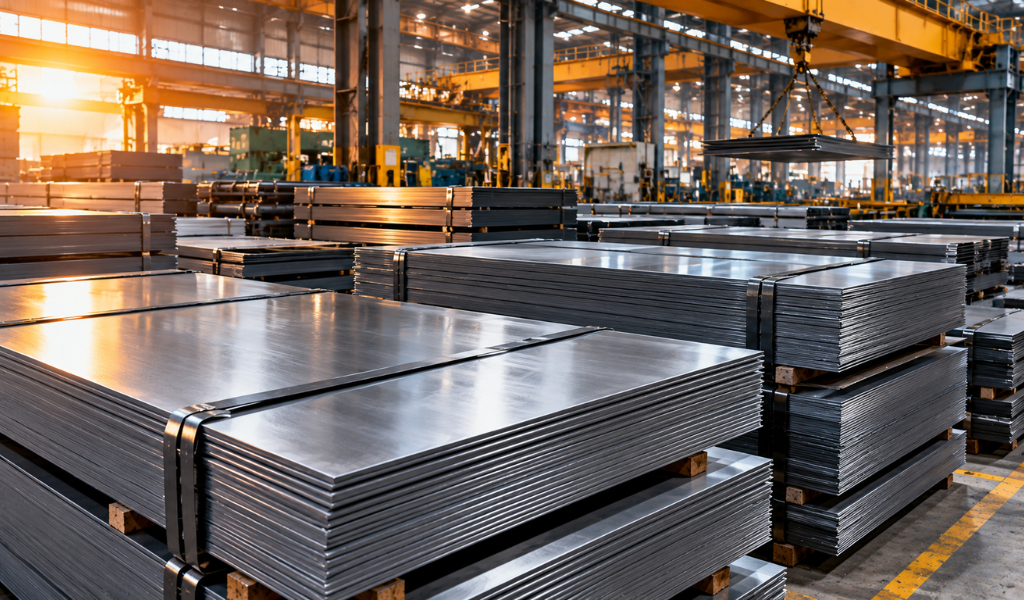
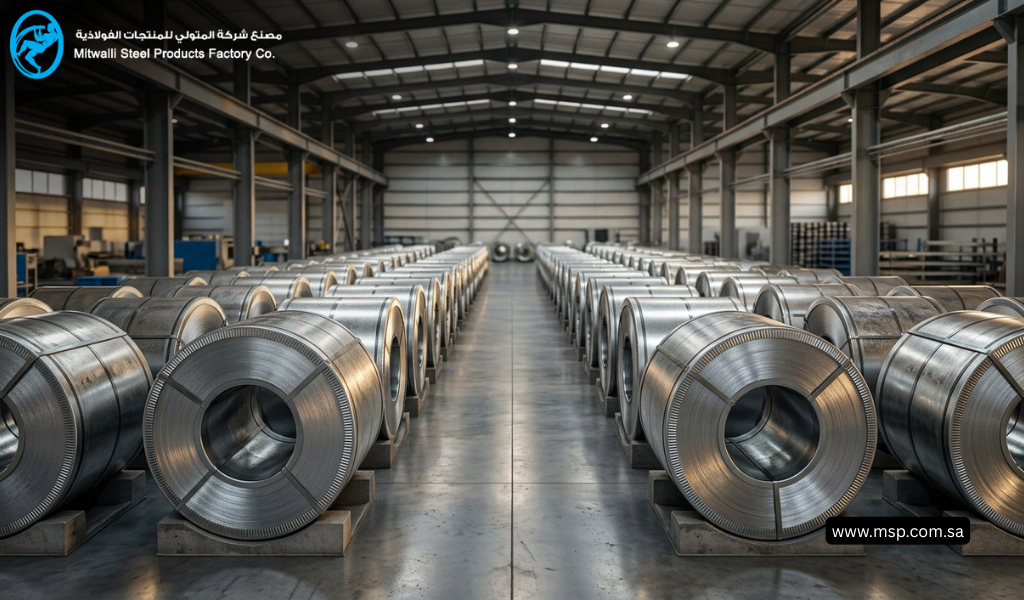
Steel coils are thin sheets of flat steel products fabricated by rolling slabs of steel into sheets, and then coiling the sheets into large rolls. In this form, steel can be effortlessly stored, transported and processed.
Steel coils come in a variety of grades, thicknesses and finishes specific to the needs of several industries including:
-
Construction
-
Manufacturing
-
Automotive
-
Energy
-
Appliances
-
Infrastructure development
What is the Difference Between Hot Rolled and Cold Rolled Steel Coils?
The primary difference lies in the manufacturing process and final properties.
Hot Rolled Steel Coils
Hot rolled steel is processed at high temperatures above the steel's recrystallization point.
Benefits include:
-
Lower production cost
-
Excellent workability
-
Suitable for structural applications
-
Faster manufacturing process
Common uses:
-
Construction beams
-
Industrial equipment
-
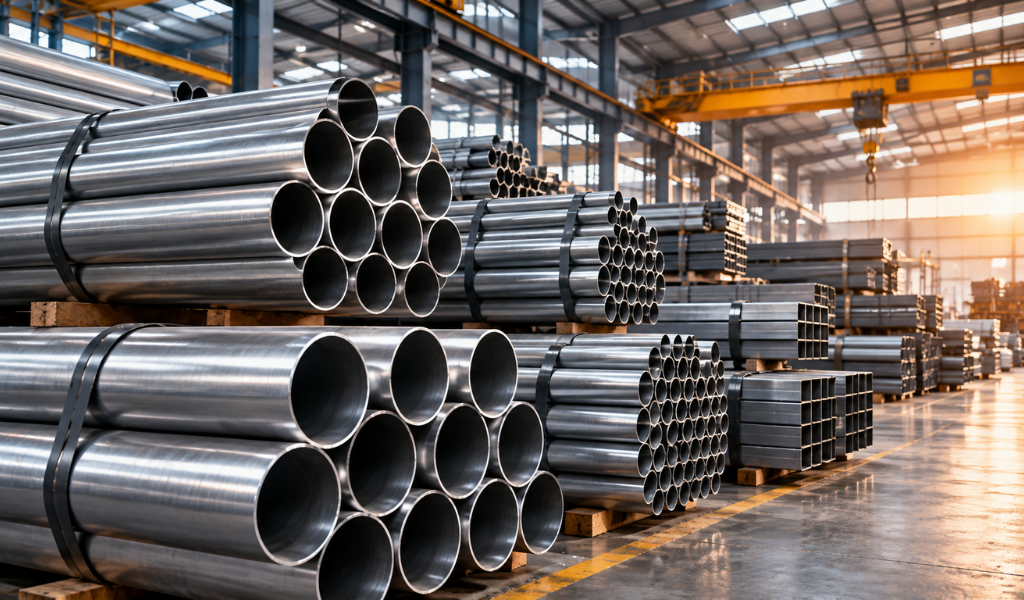
Pipes and structural components
Cold Rolled Steel Coils
Cold rolled steel undergoes additional processing at room temperature after hot rolling.
Benefits include:
-
Improved surface finish
-
Greater dimensional accuracy
-
Higher strength and hardness
-
Better appearance
Common uses:
-
Automotive parts
-
Home appliances
-
Precision engineering products
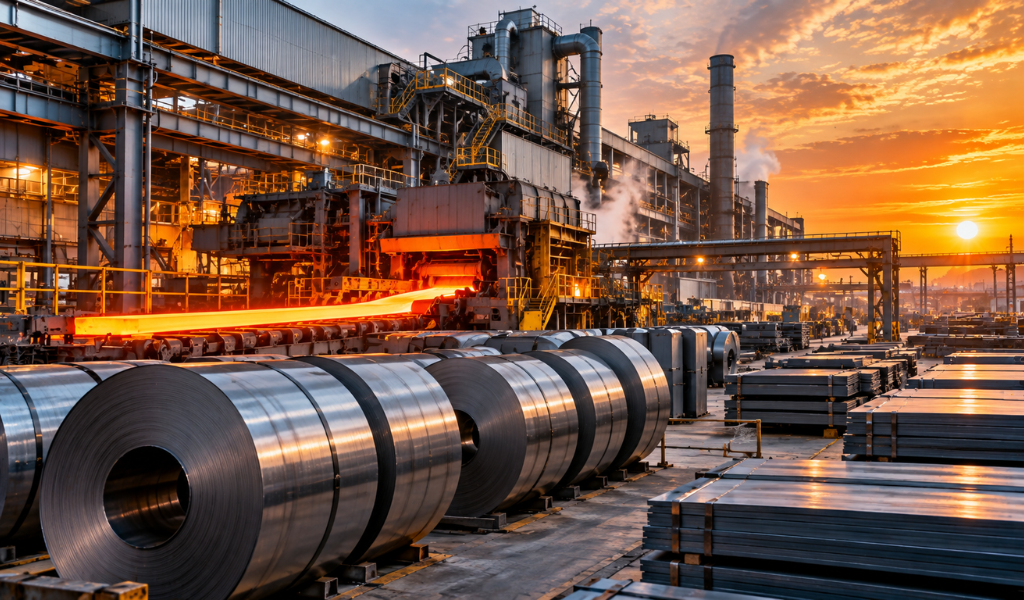
How are Steel Coils Manufactured?
The manufacturing process typically involves several stages:
1. Steel Making
Raw materials such as iron ore and recycled steel are melted and refined.
2. Continuous Casting
Molten steel is cast into slabs.
3. Rolling Process
The slabs pass through rolling mills to achieve the required thickness.
4. Coiling
The finished steel sheet is wound into coils for storage and transportation.
5. Finishing Operations
Additional treatments may include:
-
Pickling
-
Galvanizing
-
Painting
-
Coil slitting
Many manufacturers worldwide, including companies involved in steel coil slitting operations, use advanced slitting technology to create customized coil widths for specific industrial requirements.
Which Steel Coils are Best for Industrial Applications?
The best choice depends on the intended application.
Practical Information Table
|
Industry/Application |
Recommended Steel Coil Type |
Key Benefits |
|
Construction |
Steel rebar coils |
High strength and flexibility |
|
Roofing & Cladding |
Galvanized steel coil |
Corrosion resistance |
|
Automotive |
Cold rolled steel coils |
Precision and smooth finish |
|
Heavy Equipment |
Hot rolled steel coils |
Durability and cost efficiency |
|
Manufacturing |
Slit steel coils |
Custom dimensions and reduced waste |
|
Infrastructure Projects |
Steel rebar coils |
Structural reinforcement |
Also read:- Hot Rolled vs Cold Rolled Steel Coils: Which One Should You Choose?
Galvanized Steel Coil
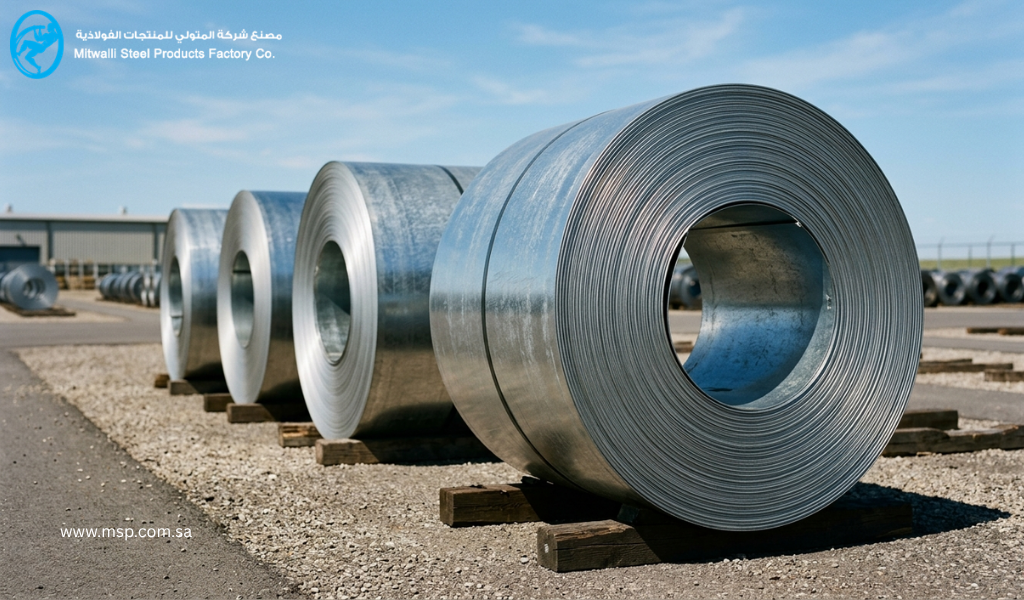
A galvanized steel coil features a protective zinc coating that helps prevent rust and corrosion. It is widely used in:
-
Roofing systems
-
HVAC equipment
-
Agricultural structures
-
Outdoor applications
Steel Rebar Coils
Steel rebar coils are commonly used in reinforced concrete construction projects. Their flexibility and ease of handling make them ideal for large-scale infrastructure and commercial developments.
How do I Choose a Reliable Steel Coil Supplier in Saudi Arabia?
Selecting the right supplier is critical for long-term project success.
Consider the following factors:
Product Quality
Choose suppliers that comply with recognized international quality standards and provide material certifications.
Manufacturing Capabilities
Look for suppliers with advanced production facilities and customization options, including galvanizing and coil slitting services.
Industry Experience
Established manufacturers often have better quality control systems and supply chain reliability.
Customer Support
Reliable technical support can help businesses select the most suitable steel products for their applications.
Consistent Supply
A reliable supplier ought to have the capacity to fulfil task due dates as well as quantity needs.
Companies such as Mitwalli Steel Products Factory Co have built strong reputations by providing high-quality steel solutions tailored to industrial and construction needs. Businesses seeking long-term partnerships often prioritize manufacturers for their commitment to quality, consistency, and customer service.
Why Steel Coils Remain Essential in Modern Industries?
The demand for steel coils continues to grow because they offer:
-
Efficient transportation and storage
-
Cost-effective processing
-
Versatility across industries
-
High structural performance
-
Customization through coil slitting
As industrial requirements evolve, manufacturers increasingly rely on advanced steel coil solutions to improve productivity and reduce material waste.
Conclusion
Steel coils form a basic building block for modern manufacturing, construction and infrastructure development. Backed by hot rolled products and steel rebar coils to corrosion-resistant galvanized steel coil solutions, these adaptable materials enable the development of limitless industrial applications worldwide.
No matter if you require tailored coil slitting solutions or high-performance steel goods for bulk orders, it is essential to cooperate with an experienced supplier. For decades, trusted manufacturers like Mitwalli Steel Products Factory Co help businesses meet heavy-duty project requirements through dependable and performance-focused steel solutions.
FAQs on Steel Coils
1. What are steel coils used for?
Steel coils are used in construction, automotive manufacturing, appliance production, infrastructure projects, roofing systems, and industrial equipment manufacturing.
2. What is the advantage of galvanized steel coils?
A galvanized steel coil offers excellent corrosion resistance due to its protective zinc coating, making it ideal for outdoor and humid environments.
3. What is coil slitting in steel manufacturing?
Coil slitting is the process of cutting large steel coils into narrower widths to meet specific production and application requirements.
4. How can I choose the best steel coil supplier in Saudi Arabia?
Look for suppliers with proven industry experience, certified quality standards, customization capabilities, reliable delivery schedules, and strong customer support.