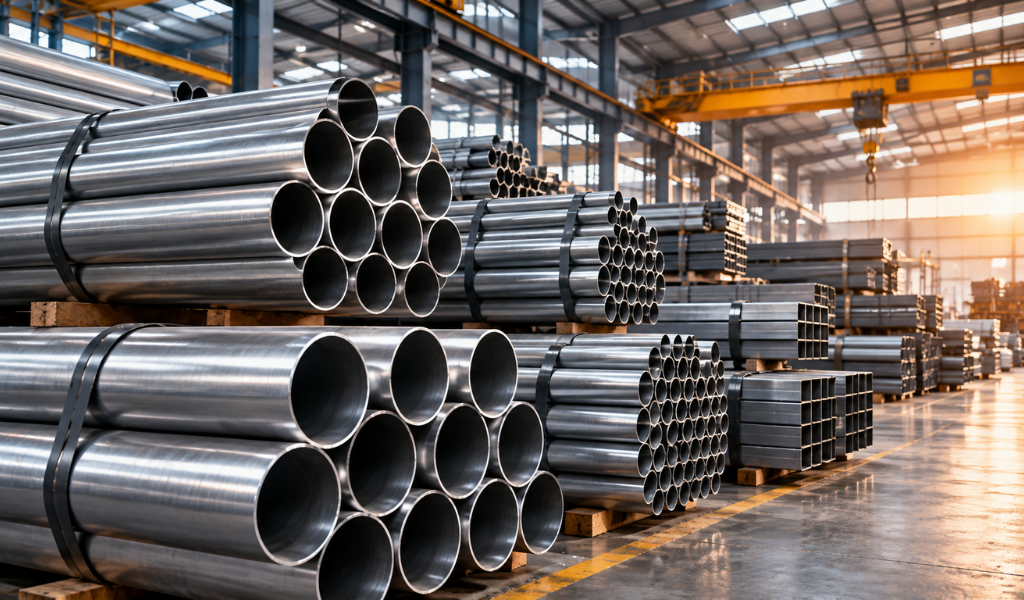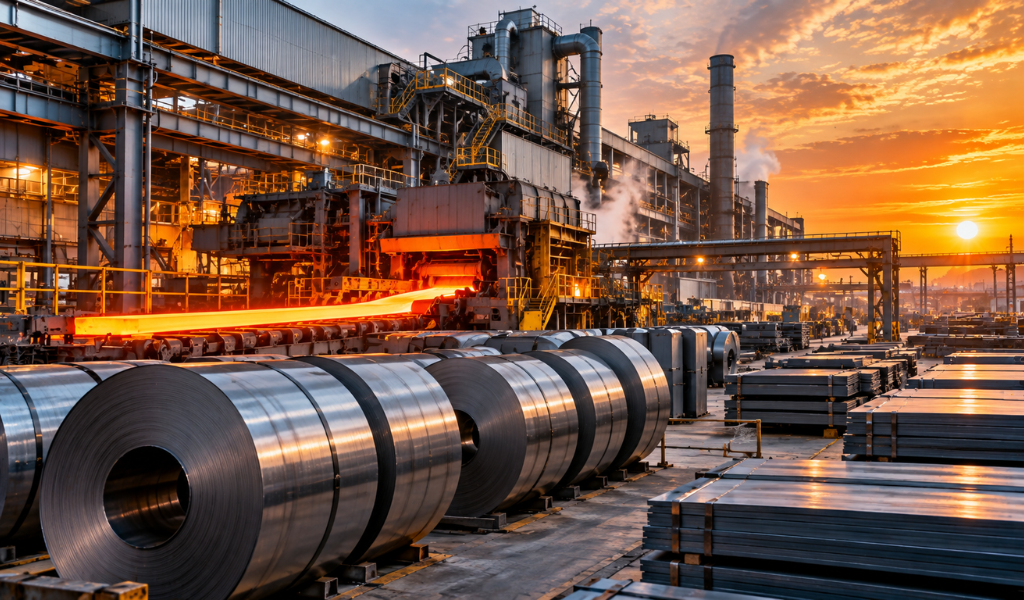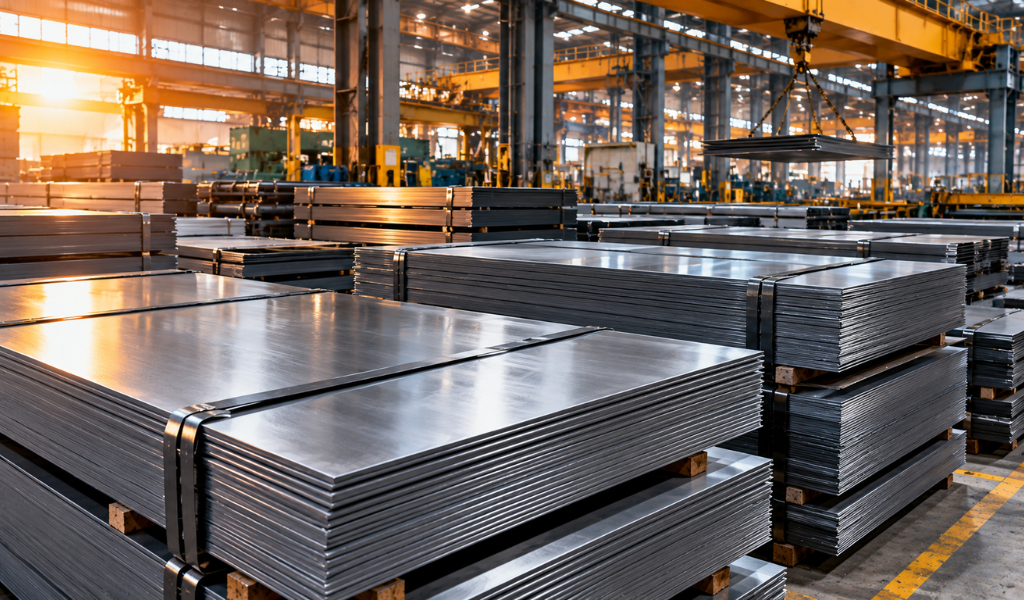
Steel sheets are essential materials for modern construction, manufacturing, and renewable energy projects. Thanks to their strength, versatility and adaptability, they can be used in a wide range of applications, from industrial equipment and structural components to solar panel mounting systems and energy infrastructure. Selecting the right steel sheets can help companies boost durability, maintain production quality, and manage long-term operational costs.
The move by industries to more efficient manufacturing processes and cleaner energy solutions continues to drive the demand for reliable steel products. Knowing how they are used, what their material properties are, and how to select them helps project managers and manufacturers make the right buying decisions.
Quick Summary
-
Strong, flexible, and durable for industrial and renewable energy applications, steel sheets are a good choice.
-
Industrial applications for steel sheets include machinery, equipment, housings, and fabrication.
-
Steel sheets are used in renewable energy for solar installations, wind energy infrastructure, and related components.
-
Selection should be based on material grade, thickness, corrosion resistance, and fabrication requirements.
-
A reliable supplier helps to ensure consistent quality, availability, and long-term project continuity.
Why Steel Sheets Are Important for Modern Industries?
Steel sheets, flat steel products, are available in a variety of thicknesses, grades, and finishes. Their adaptability makes them suitable for applications demanding structural strength, accuracy, and reliable performance.
Strength and Versatility
Steel sheets can be cut, bent, welded, and formed into components to suit different design requirements. This flexibility adds value to manufacturing, construction, engineering, and infrastructure development.
Depending on the grade and specification, they can also provide the strength needed for demanding industrial environments. Manufacturers can choose materials suited to load requirements, operating conditions, and the final use of the finished product.
Durability and Long-Term Value
Industrial equipment and energy infrastructure are often subjected to harsh conditions. Choosing a steel with the right mechanical properties and corrosion protection can increase the service life and reduce maintenance needs.
The right specification also helps in reducing wastage of material during fabrication, which helps in more efficient completion of the project.
How Steel Sheets Support Renewable Energy Projects?
The move toward cleaner energy has made reliable materials more important. Steel sheets for renewable energy are used in different parts of the installation, operation, and maintenance of energy systems.
Solar Energy Installations
Steel sheets are fabricated into equipment enclosures, support components, electrical cabinets, and other parts used in solar energy installations. Mounting and support systems can also include appropriate steel products depending on design and engineering requirements.
Good corrosion resistance is needed for outdoor installations. A good protective finish or coated steel will hold up under exposure to moisture, heat, and changing weather conditions.
Wind Energy Infrastructure
Wind energy projects require durable materials for supporting equipment, access structures, protective housings, and related infrastructure. The selection of steel products depends on the loading requirements, the environmental conditions to which they will be exposed, and the specific engineering design.
Using suitable steel specifications helps project teams balance strength, durability and fabrication needs.
Supporting Energy Efficiency
Reliable steel components power renewable energy equipment through its design life. Steel is not the magic bullet by itself for an efficient energy system, but the right choice of material can help ensure reliable infrastructure and reasonable maintenance costs.
Common Steel Sheet Applications Across Industrial Sectors
Industrial steel sheets are widely used as they can be made into components with different shapes, dimensions, and performance characteristics.
Typical steel sheet applications include:
-
Manufacturing: Machine covers, casings, fabricated parts, production line components.
-
Construction: Elements, panels, enclosures, and selected structural assemblies.
-
Automotive and engineering: Fabricated body panels, protective covers and equipment panels.
-
Energy infrastructure: cabinets for electrical equipment, casings for equipment and supporting elements.
-
Storage and material handling: Industrial cabinets, containers and fabricated storage equipment.
The steel sheets for manufacturing are especially useful when consistent dimensions and material properties are important for repeatable production. But the final specification shall always be consistent with the intended application and appropriate industry requirements.
Key Factors to Consider When Selecting Steel Sheets for Industrial Projects
It’s more than just a price comparison to select the right steel sheet. The material must satisfy the project’s technical, environmental, and commercial specifications.
1. Material Grade and Mechanical Properties
Different grades of steel have different combinations of strength, ductility, hardness, and formability. Look at the engineering spec , and see what grade is appropriate for the application.
2. Sheet Thickness and Dimensions
Thickness affects weight, strength, fabrication methods, and material costs. Before ordering, check dimensions and tolerances to avoid unnecessary cutting, rework, or wasted materials.
3. Corrosion Resistance and Finish
Think about whether the material will be subjected to moisture, chemicals, high temperatures or outdoor conditions. A suitable coating, surface treatment, or corrosion-resistant grade may be required in some environments.
4. Fabrication and Processing Requirements
Picture the sheets being cut, bent, welded, or shaped. The selection of a material compatible with the intended manufacturing process can improve productivity and minimise fabrication problems.
5. Cost and Availability
Look at the overall cost of the project, not just the price you pay to buy it. The overall value can be affected by material availability, transport, processing, maintenance and expected service life.
Practical Comparison: Choosing Steel Sheets for Different Applications
|
Application |
Important considerations |
Selection guidance |
|
Solar installations |
Outdoor exposure, corrosion resistance and load requirements |
Consider suitable coated steel and approved specifications |
|
Industrial machinery |
Strength, dimensional accuracy and formability |
Match the grade and thickness to equipment requirements |
|
Construction components |
Design loads, fabrication and applicable standards |
Follow engineering drawings and project specifications |
|
Manufacturing equipment |
Repeatability, cutting and welding requirements |
Check processing compatibility and dimensional tolerances |
|
Storage systems |
Intended load, wear and environmental conditions |
Select the material and finish according to operating conditions |
The best choice depends on the operating environment, design specifications, and applicable standards. No single steel sheet grade is suitable for every application.
Also read: What Are the Common Types of Steel Sheets Used in Construction?
How to Choose a Reliable Steel Sheet Supplier for Long-Term Project Requirements?
A reliable supplier can help a business to keep its materials consistent and avoid unnecessary delays on projects. When assessing a supplier, some factors to consider are:
-
Product range: Does the supplier have the grades, thicknesses, dimensions, and finishes you require?
-
Quality documentation: Ask about material certificates, traceability and conformance to relevant specifications.
-
Consistency of supply: Check stock levels, expected lead times and ability to deliver repeat orders.
-
Technical support: Find product information and get assistance with questions related to specifications.
-
Commercial reliability: Check quotations, delivery arrangements, communication, and after-sales support.
Reliable communication and consistent product specifications are particularly important for projects involving multiple procurement stages.
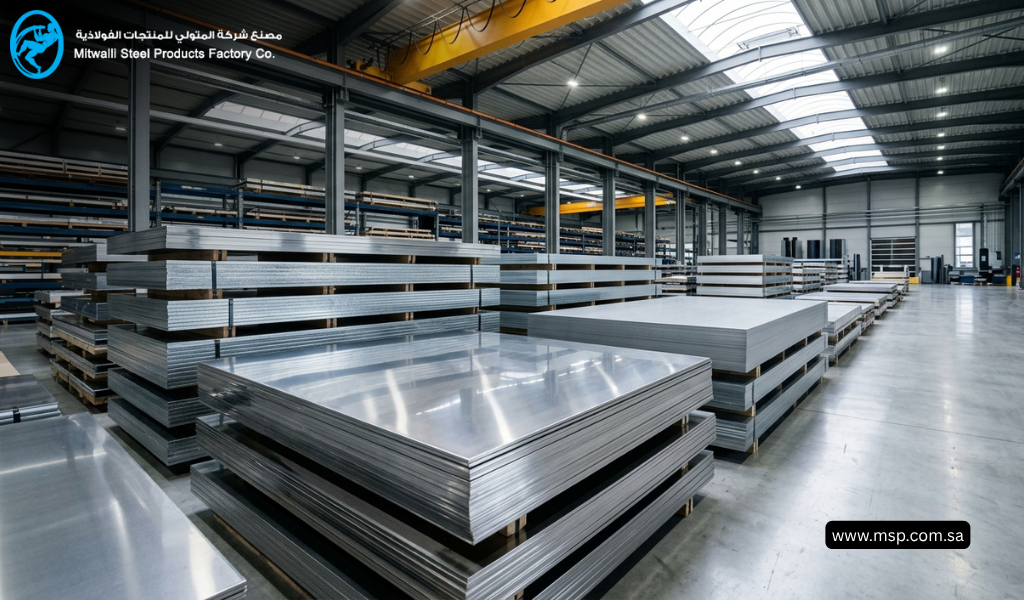
Mitwalli Steel Products Factory Co is a starting point for companies in search of steel products to support their industrial needs. Buyers can see the list of steel sheet products and contact the supplier for their project specifications, product availability, and supply requirements.
Conclusion
The versatility, strength, and adaptability of steel sheets make it a key product for a broad range of applications in renewable energy, construction, and manufacturing. Whether it’s solar infrastructure or industrial machinery, selecting the proper grade, thickness and surface finish can help ensure reliable performance and long-term value.
Prior to ordering, consider the operating environment, the fabrication requirements, the technical standards, and the expected service life. Finding a dependable supplier can also help ensure consistent quality and on-time delivery. Check out the steel sheet products available at Mitwalli Steel Products Factory Co and select the ones that match the specifications of your project.
FAQs on Steel Sheets
1. What are steel sheets commonly used for?
Steel sheets are used in manufacturing, construction, machinery, equipment enclosures, storage systems, and energy infrastructure. Their applications depend on the steel grade, thickness, and surface finish.
2. Why are steel sheets important for renewable energy?
Steel sheets support renewable energy infrastructure through fabricated equipment housings, electrical cabinets, mounting components, and other system parts. Suitable material selection helps meet strength and environmental requirements.
3. How do I choose the right steel sheets for industrial applications?
Consider the required steel grade, thickness, dimensions, mechanical properties, corrosion resistance, and fabrication process. Always compare these factors against the project's technical specifications.
4. Are steel sheets suitable for outdoor industrial use?
Yes, provided the material and protective finish suit the environment. Galvanised or appropriately coated steel may be suitable for outdoor conditions, while highly corrosive environments may require additional protection or specialised materials.