Steel is produced using high-temperature furnaces which operate over extreme conditions. These furnaces need refractory materials that are strong enough to sustain extreme heat and chemical reactions, as well as mechanical force. Selecting the proper refractory linear enhances furnace functioning, attire equipment life and support consistent steel quality. No matter fall you're working with a steel factory or you are searching for trusted and renowned makers of best quality steels in Saudi Arabia, to make prudent choices that need an intensive understanding concerning refractory materials.
Quick Summary
-
These are refractory materials that protect steel furnaces during the extreme heat process.
-
Variety of refractories used for different furnace applications
-
High-quality refractories enhance the effectiveness, safety and life span of glass melting furnaces.
-
Opting for well-established and experienced steel fabricators Saudi Arabia will help you with the production quality.
-
They pay great attention to progressive materials and stringent quality checks.
What is steel manufacturing and how does it work?
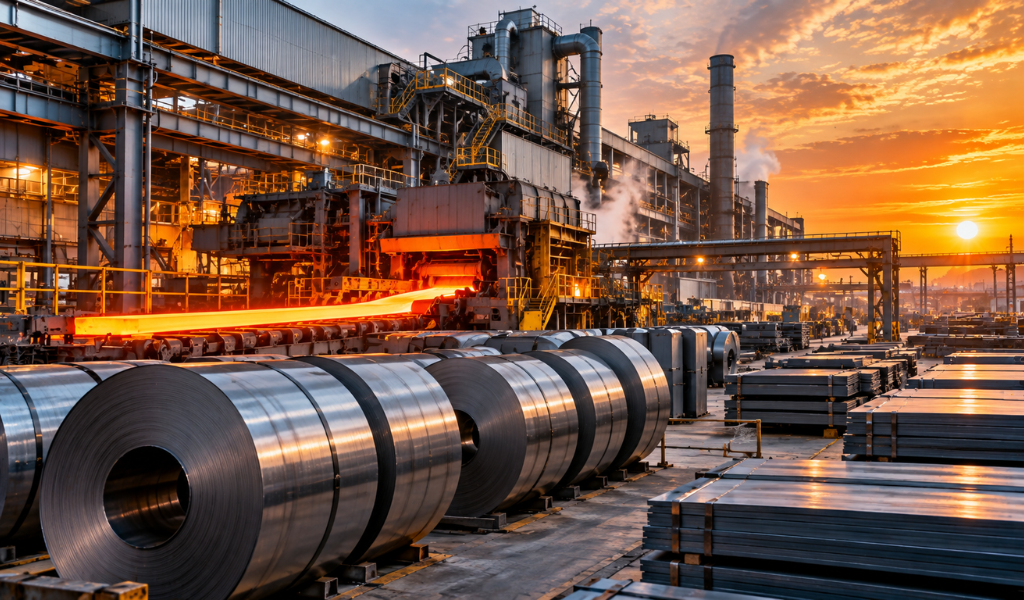
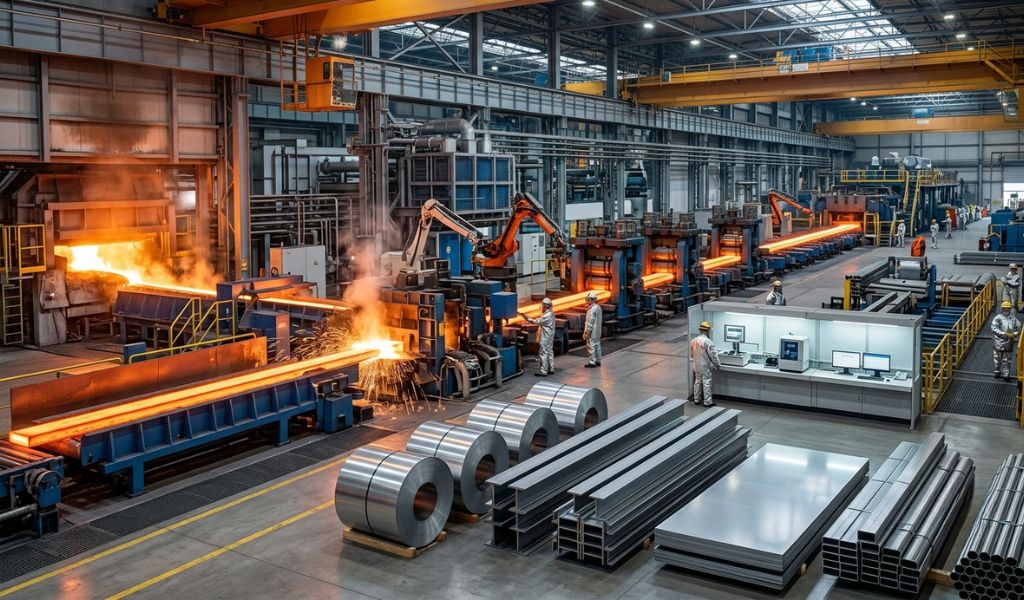
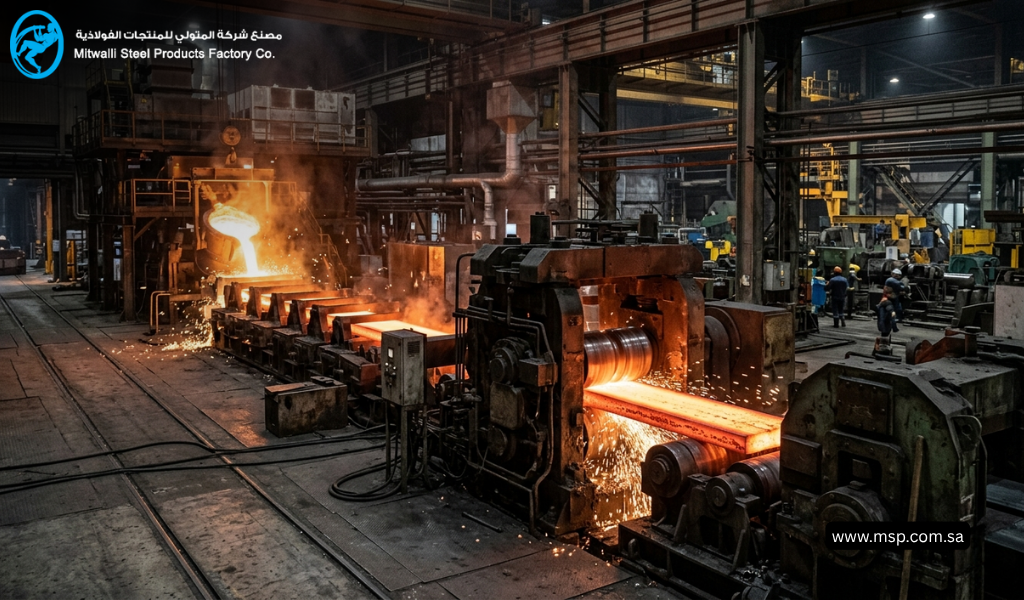
Steel making converts raw materials such as iron ore or recycled scrap into refined steel alloy via melting, refining, casting and rolling. Furnaces operate at temperatures of more than 1,500°C in this process.
These furnaces are lined with refractory materials that resist heat, corrosion, abrasion, and thermal shock! Steel production would be not only greatly more expensive, but also inefficient and unsafe without them.
Common Types of Refractory Materials Used in Steel Furnaces
Alumina Refractories
These are popular because a ceramic cage provides great resistance to high temperatures, wear, and chemical attack. These are for use in ladles, kilns, and furnace linings.
Magnesia Refractories
With compositions of mainly magnesium oxide, these refractories are very resistant to alkaline slags in basic oxygen furnaces and electric arc furnaces.
Silica Refractories
Silica bricks are used extensively in situations up to about yttrium temperatures where strength must not fall at high temperatures, such as in coke ovens and in several furnaces.
Fire Clay Refractories
These low-cost refractories ensure appropriate thermal stability and are used for development purposes in moderate-temperature industrial processes.
Carbon-Based Refractories
Carbon refractories have a high thermal conductivity and an important resistance to the penetration of molten metal, making them suitable for use in blast furnaces.
How do steel manufacturing companies ensure product quality?
Top manufacturers of steel in Saudi Arabia incorporate quality raw materials, state-of-the-art manufacturing technologies, and stringent testing processes.
Quality assurance generally includes:
-
Careful selection of refractory materials
-
Continuous temperature monitoring
-
Chemical composition testing
-
Mechanical strength inspections
-
Compliance with international industry standards
Mitwalli Steel Products Factory Co invests in advanced production facilities and rigorous quality control processes to provide the steel products that support multiple industries,
Practical Information Table
|
Refractory Material |
Best Used For |
Main Benefit |
|
Alumina |
Ladles & furnaces |
Excellent heat resistance |
|
Magnesia |
Electric arc furnaces |
High slag resistance |
|
Silica |
Coke ovens |
Superior high-temperature strength |
|
Fire Clay |
General furnace lining |
Cost-effective performance |
|
Carbon |
Blast furnaces |
Excellent thermal conductivity |
Also read:- What Is Steel Manufacturing and Why Is It Essential for Modern Construction?
How do you choose the right steel manufacturing company in Saudi Arabia?
Selecting the correct steel manufacturing company in Saudi Arabia is more than comparing costs.
Consider the following:
-
Proven manufacturing experience
-
Modern production facilities
-
Certified quality standards
-
Reliable delivery schedules
-
Technical expertise
-
Strong customer support
Reliable steel firms in Saudi Arabia can ensure the reliability of these business operations, translating to better performance for your projects over the long term.
When it comes to offering reliable and trustworthy manufacturing services, Mitwalli Steel Products Factory Co is the preferred choice of any business because they offer better quality, innovative products, and customer happiness. Regardless of whether you are sourcing products from a steel company in Jeddah or anywhere else within the Kingdom, choosing an able and trusted partner can make all the difference.
Conclusion
The selection of proper refractory materials at each stage is key to successful steel manufacturing. Whether alumina or magnesia, silica or carbon refractories, each one finds a unique application that enhances furnace efficiency and product quality. Work with a flexible steel company in Saudi Arabia like Mitwalli Steel Products Factory Co to build reliable manufacturing capability, consistent quality and firm solutions for industrial projects.
FAQs on Steel Manufacturing
1. What are refractory materials used for in steel furnaces?
Refractory materials protect furnace interiors from extreme heat, corrosion, and mechanical wear during steel production.
2. Which refractory material is best for steel manufacturing?
The best choice depends on the furnace type, but alumina and magnesia refractories are among the most commonly used.
3. Why are refractory materials important in steel manufacturing?
They improve furnace efficiency, increase equipment lifespan, reduce maintenance costs, and maintain consistent production quality.
4. How do I choose a steel manufacturing company in Saudi Arabia?
Look for industry experience, certified quality standards, advanced production facilities, and reliable customer support.