The building system is the main pillar of almost each construction project. Incorporating structural, architectural and engineering contributions into a blueprint identifying the framework providing resilience to loads while fulfilling other functional requirements fundamental to ensure safety and longevity. In the case of construction plans, for example, whether a factory or warehouse is to be explored as quickly and economically as possible while maintaining good quality with low maintenance costs.
Energy efficiency, endurance and sustainability is also the basis of modern building systems design that are one-of-a-kind for today in terms of importance to the construction industry.
Quick Summary
-
Mechanical systems, structural components and even some functional elements can be bundled into an all-in-one building solution.
-
Steel Building Systems combine durability, speed and economy.
-
Modern sustainable building systems reduce the environmental impact and operating costs.
-
Choosing the right design for a building system depends on which architectural faction you pursue, your budget and whether or not you plan to expand in future.
-
Strategic planning is vital for better outcomes and sustained success
What is a building system in construction?
Construction systems construction refers to the entire system of building materials and structural elements involved in creating a complete structure. Rather than seeing each component in isolation the system acts as a single coherent solution.
A building systems design that is well thought out, will include the following elements:
-
Structural framework
-
Roofing and wall systems
-
Foundations
-
Insulation
-
Ventilation
-
Drainage and utility integration
The world today has a lot of developers choosing steel building systems over other construction methods, because they have strength and flexibility as well as ease of installation to design.
What are the main components of a steel building system?
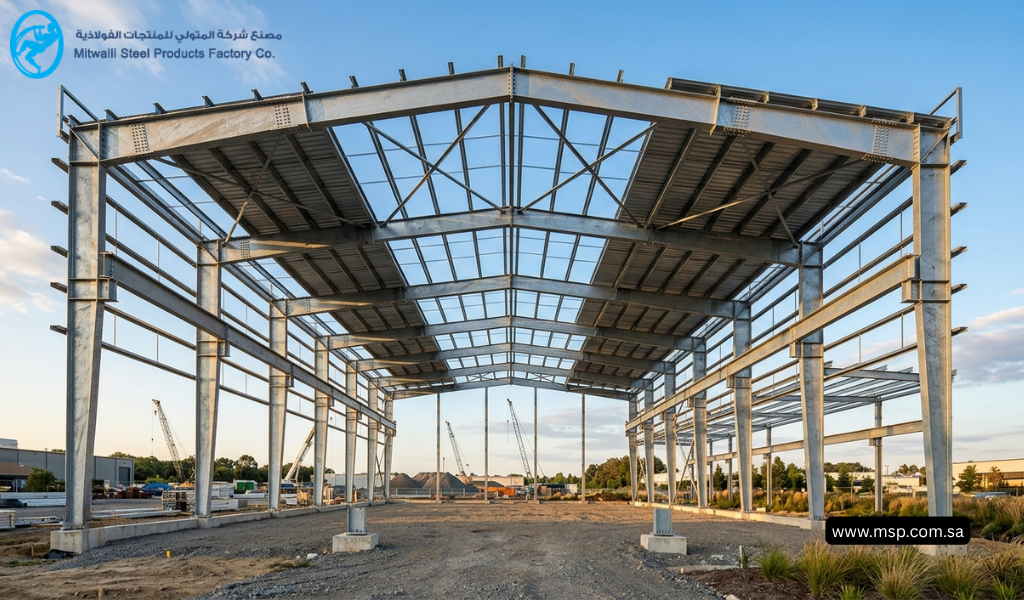
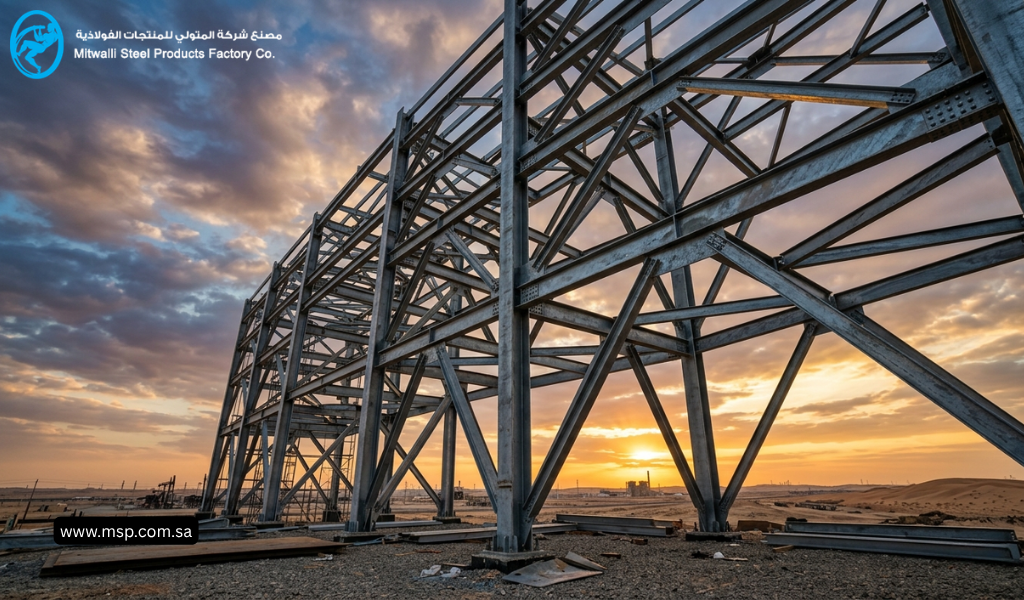
A steel building system consists of a multitude of essential components to work seamlessly in creating a safe and durable structure.
Structural Steel Frame
The main frame supports the whole building providing structural functionality.
Roof and Wall Panels
These keep the weather out and improve insulation as well as aesthetics.
Foundation Connections
This mechanism consolidates the stability of the steel structure with changing load on secured anchor systems.
Doors, Windows, and Ventilation
These enhance access, daylight and indoor climate.
Accessories
Other elements that give better functionality to the overall building system design include: drainage systems, insulation and safety features.
Practical Information Table
|
Project Requirement |
Recommended Building Solution |
Key Benefit |
|
Industrial facilities |
Steel building systems |
High strength and faster construction |
|
Warehouses |
Steel building system |
Large clear-span spaces |
|
Commercial buildings |
Sustainable building systems |
Better energy efficiency |
|
Manufacturing plants |
Advanced building systems design |
Flexible future expansion |
|
Long-term investments |
Durable steel structures |
Lower maintenance costs |
What are the benefits of using a steel building system?
A steel building system offers several advantages that make it one of the most popular choices for modern construction.
Faster Construction
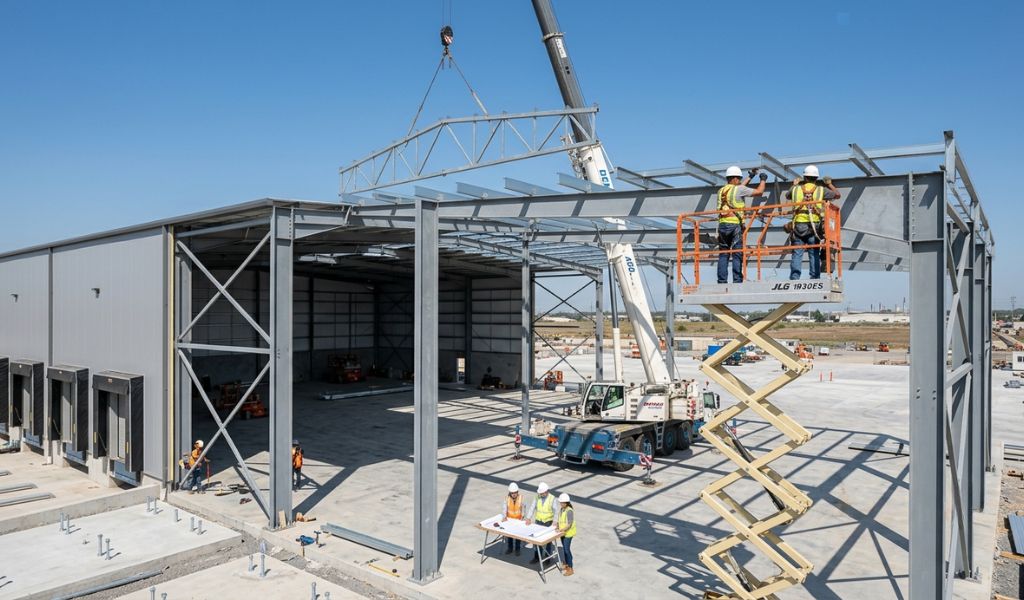
Installation time for structures is reduced due to the fact that it consists of pre-engineered components, therefore little delays occur in a project.
Excellent Durability
Additionally, steel is not prone to fire damage and pest infestation or decay from moisture and adverse climate, as a result of which it serves for a longer time.
Cost Efficiency
The reduced labor needs, less building waste and maintenance expenses translate to cost savings during the life of the structure.
Sustainable Construction
Most sustainable construction systems commonly use recyclable steel and energy-efficient designs to help companies cut back on their impact.
Flexible Design
Modern building systems design makes it easy to accommodate future expansion or new operational needs.
To meet industrial and commercial construction standards without overlooking the quality, companies like Mitwalli Steel Products Factory Co provide robust steel solutions.
Also read:- How Steel Building Systems Support Large-Scale Construction Projects?
How do you choose the right building system for your project?
Choosing the best building system starts with understanding your project's specific needs.
Consider these factors:
-
Building purpose
-
Budget
-
Construction timeline
-
Local climate
-
Future expansion requirements
-
Maintenance expectations
-
Sustainability goals
Partnering with knowledgeable manufacturers and engineering practitioners will help ensure the chosen building system design is capable of delivering both current operational requirements as well as future needs.
If you are in the market for steel building systems, an experienced supplier such as Mitwalli Steel Products Factory Co to help steer your way can guarantee that you're well on your way towards obtaining a lasting, efficient, cost-effective system suitable for fulfilling all of your task's demands.
Conclusion
Choosing a construction system is one of the most serious choices in any building site. A designed solution is safer, cheaper, faster and also sustainable. Businesses can use current steel building systems, smart buildings system design, and environmentally sustainable structures to create a structure that is built for today while being adaptable tomorrow.
FAQs on Building System
1. What is a building system in simple terms?
A building system is the complete combination of structural, architectural, and engineering components that work together to create a safe and functional building.
2. Why are steel building systems popular?
Steel building systems are popular because they are durable, quick to install, cost-effective, and require less maintenance than many traditional building methods.
3. What are sustainable building systems?
Sustainable building systems are designed to improve energy efficiency, reduce waste, use recyclable materials, and minimize environmental impact throughout the building's lifecycle.
4. How do I choose the best building system for my project?
Choose a building system based on your project size, budget, intended use, construction schedule, sustainability goals, and future expansion plans. Consulting experienced professionals ensures the best long-term results.