Choosing the right steel tubes is essential for ensuring structural strength, durability, and long-term performance in construction and industrial projects. Electric Resistance Welded (ERW) steel tubes are commonly used due to their consistent dimensions, dependable weld quality, and cost-effective performance in a variety of applications.
However, not all ERW tubes are appropriate for every project. Before ordering, buyers need to look into factors such as material grade, wall thickness, dimensional accuracy, manufacturing standards, and surface quality. Knowing these specifications can help avoid installation problems, lower maintenance costs, and ensure the final structure meets project requirements.
Quick Summary
-
Check the material grade to ensure it meets the project's strength requirements.
-
Verify dimensions, wall thickness, and dimensional tolerances.
-
Inspect weld quality and surface finish before purchasing.
-
Confirm that products meet relevant manufacturing and quality standards.
-
Choose a reliable manufacturer with consistent production and quality control.
What Should Buyers Check When Purchasing Steel Tubes?
Buyers should consider several technical and commercial aspects before choosing ERW steel tubes. The following considerations can help you identify products that provide the right balance of quality, performance, and value.
1. Material Grade and Mechanical Properties
The grade of material has a direct impact on the strength, flexibility, and durability of steel tubes. Buyers should choose a grade that is suited to the intended application and structural requirements.
Important mechanical properties include:
-
Tensile strength: Determines the maximum stress the material can withstand before breaking.
-
Yield strength: Indicates the stress at which permanent deformation begins.
-
Elongation: Measures the material's ability to stretch without fracturing.
Always review the manufacturer's material test certificates to verify the supplied steel meets the required specifications.
2. Dimensions and Wall Thickness
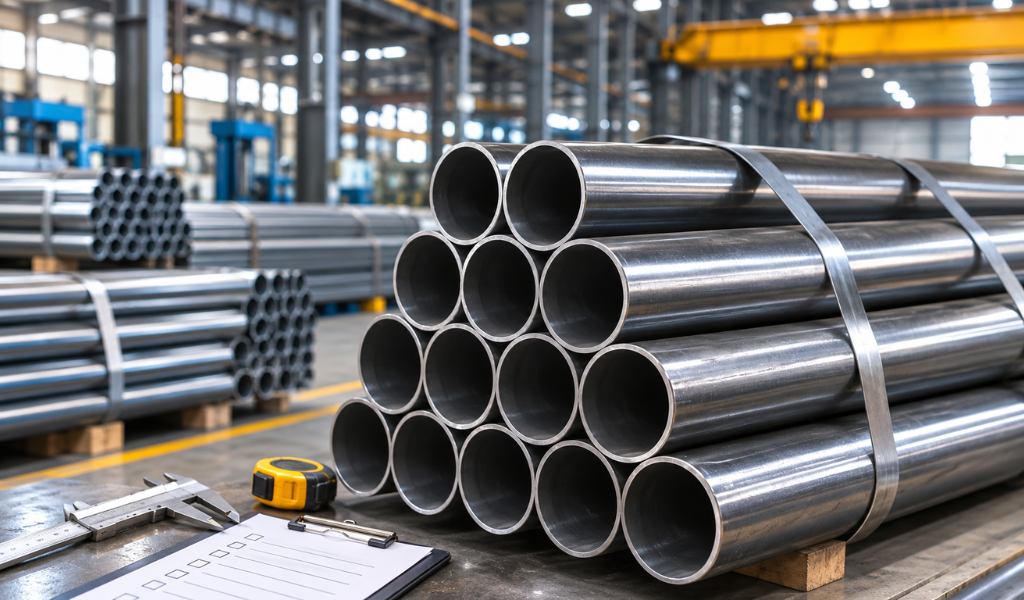
Proper fitting, fabrication, and installation depend on accurate dimensions. Buyers should verify the outside diameter, length, and wall thickness prior to ordering.
For structural projects, even small dimensional variations can impact alignment, load distribution, and connection quality.
Typical choices are steel tubes of square section and steel tubes of rectangular section. The choice depends on the design and the installation space available.
3. Weld Quality and Manufacturing Process
ERW tubes are made by rolling steel strips into a tube shape and welding the edges together by electrical resistance heating and pressure.
The quality of the welded seam is therefore an important purchasing consideration.
Buyers should check:
-
Weld seam consistency.
-
Absence of visible cracks and defects.
-
Uniformity along the tube length.
-
Compliance with applicable inspection requirements.
-
Availability of non-destructive testing where specified.
A properly manufactured weld helps ensure reliable performance under the intended operating conditions.
4. Surface Finish and Corrosion Protection
Surface condition can affect the service life and appearance of steel products. Check tubes for rust, dents, scratches, surface cracks, and other visible defects.
Depending on the project environment, buyers may also require protective coatings or galvanisation to improve corrosion resistance.
For outdoor, industrial and moisture-exposed applications, choosing the right corrosion protection can help minimise future maintenance needs.
5. Manufacturing Standards and Quality Certifications
Always check that the manufacturer adheres to the relevant national or international standards that are listed in the project documentation.
Buyers may also need to verify compliance with other applicable product specifications such as ASTM, EN, BS, etc., depending on the application.
Also ask for quality documentation, such as material certificates, dimensional inspection reports, and testing records that are applicable.
Why Do Steel Tube Shapes Matter for Different Applications?
The shape of a tube affects its structural performance, fabrication requirements, and suitability for different projects.
Structural Steel Tubes
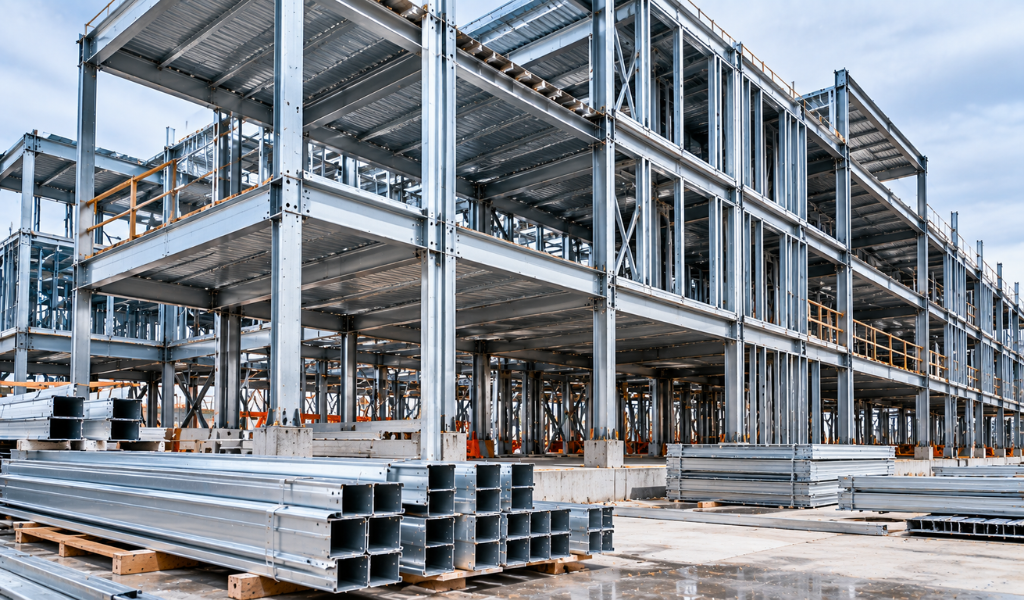
Structural steel tubes are commonly used in building frameworks, support systems, industrial structures, and infrastructure projects. Their strength-to-weight characteristics make them suitable for applications where dependable structural performance is required.
Hollow Steel Tubes
Hollow steel tubes provide structural support while reducing material weight compared with equivalent solid sections. They are frequently selected for columns, frames, equipment supports and fabricated components.
Square and Rectangular Steel Tubes
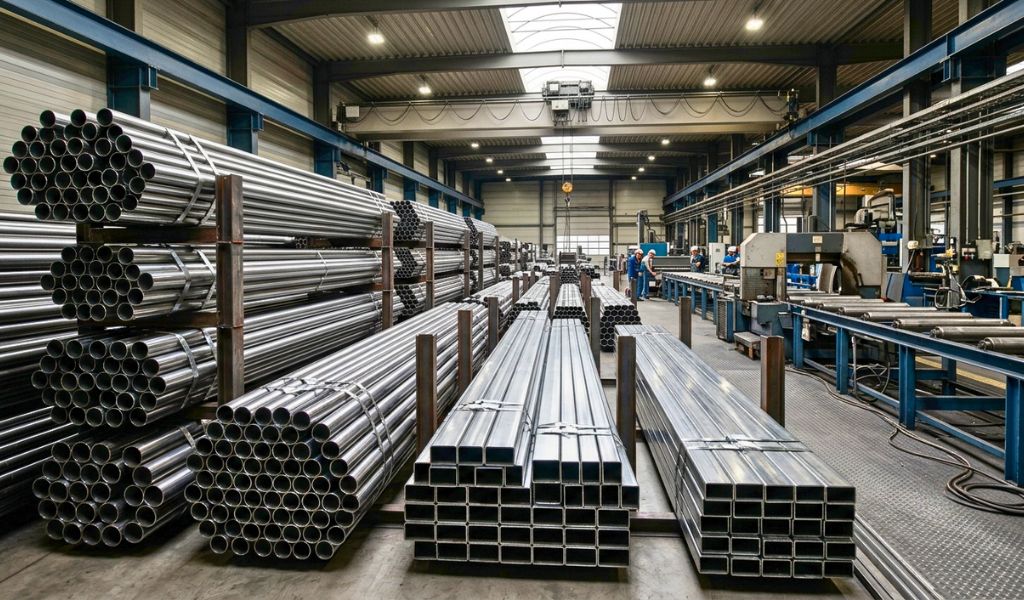
Square sections offer balanced geometry, making them suitable for columns, frames, and support structures. Rectangular sections can be useful where different load directions or design dimensions need to be considered.
Steel Tube Applications in Construction and Industry
Understanding steel tube applications in construction helps buyers select the right product for their requirements.
|
Application |
Recommended Tube Type |
Key Consideration |
|
Building frameworks |
Structural steel tubes |
Strength and load-bearing capacity |
|
Industrial sheds |
Square and rectangular steel tubes |
Dimensional accuracy |
|
Support columns |
Hollow steel tubes |
Wall thickness and stability |
|
Machinery frames |
Square steel tubes |
Fabrication and connection quality |
|
Infrastructure projects |
Structural steel tubes |
Applicable standards and durability |
The final selection should always be based on engineering calculations, project specifications, and environmental conditions.
Also read: Steel Tubes for Oil, Gas, and Energy Projects: Key Applications and Benefits
Questions to Ask Your Steel Tube Manufacturer
Before confirming an order, ask the supplier:
-
Which material grades and tube sizes are available?
-
What manufacturing standards do the products follow?
-
Are material test certificates provided?
-
What inspection procedures are followed?
-
Are custom dimensions and wall thicknesses available?
-
What are the production and delivery lead times?
Working with an experienced manufacturer can make procurement more straightforward and help maintain consistency across large orders.
Mitwalli Steel Products Factory Co offers steel product solutions for construction and industrial requirements. Buyers can explore its hollow tube range to understand the available product options.
Conclusion
Choosing the correct steel tubes is more than just a comparison of prices and dimensions. Before buying, it’s important for the buyer to consider the grade of the material, wall thickness, weld quality, surface finish, manufacturing standards, and the application.
Whether you need square, rectangular, or other hollow sections, selecting products that comply with your project’s technical specifications can enhance structural reliability and long-term performance. Before you commit to buying, review your requirements and explore suitable hollow tube solutions from a trusted manufacturer.
FAQs about ERW Steel Tubes
1. What should I check before buying ERW steel tubes?
Check the material grade, wall thickness, dimensions, weld quality, surface condition, and compliance with relevant manufacturing standards. Also request material test certificates.
2. What are ERW steel tubes used for?
ERW steel tubes are used in construction frameworks, industrial structures, machinery supports, infrastructure projects, fencing, and various fabrication applications.
3. What is the difference between square and rectangular steel tubes?
Square steel tubes have equal sides and are commonly used in frames and support structures. Rectangular steel tubes have unequal sides and offer greater flexibility for specific structural designs.
4. Are hollow steel tubes suitable for structural applications?
Yes. Hollow steel tubes are widely used in structural applications because they provide strength and rigidity while keeping the overall component weight manageable. Their suitability depends on the material grade, dimensions, and engineering requirements.