Steel pipes play a crucial role in renewable energy projects, offering strength, stability, and reliable performance in demanding environments. From solar power plants and wind farms to supporting infrastructure for energy storage, the right steel pipes can help improve structural safety, durability and long-term project performance.
But not all steel pipes can be used for all applications. Selection should be based on factors such as load requirements, weather exposure, corrosion risk, and installation conditions. The more you understand the different materials and specs available, the better decisions you project managers, engineers, and procurement teams can make.
Quick Summary
-
Steel piping supports renewable energy structural frameworks, foundations, and equipment.
-
Carbon steel pipes are suitable for a wide range of applications where strength and load-bearing capacity are necessary.
-
Steel pipes for solar power plants are widely used as mounting structures and support systems.
-
In severe environments, the service life can be extended using corrosion-resistant steel pipes or suitable protective coatings.
-
Before buying, check pipe material, dimensions, wall thickness, and applicable standards.
Understanding the Role of Steel Pipes in Renewable Energy Infrastructure
Renewable energy infrastructure must be able to withstand operational loads and changing environmental conditions. Steel pipes are a good choice because they are strong, versatile, and can be used in a variety of structural applications.
Depending on the design of the project, they are used for equipment supports, structural frameworks, mounting systems and certain fluid handling applications.
Where Are Steel Pipes Used in Renewable Energy Projects?
Solar power plants: Depending on the design, the mounting systems for the solar panels may also include support structures and foundations made of steel pipes and hollow sections.
Wind energy installations: Steel tubular components are employed in some support structures, access systems and ancillary equipment. Tower structural sections for wind turbines are usually specially engineered.
Hydrogen and energy storage facilities: Steel piping may be suitable for some process lines and ancillary systems if the material meets the right pressure, temperature, and chemical compatibility specifications.
Hydroelectric infrastructure: Steel pipes can carry water and similar equipment in applications where the grade and design chosen meet hydraulic and structural requirements.
The important thing is to match the product to the intended function, not assume one type of steel pipe will work for all renewable energy applications.
Which Types of Steel Pipes Are Best for Renewable Energy Projects?
The most appropriate choice depends on whether the pipe will carry loads, support equipment or transport fluids.
1. Carbon Steel Pipes
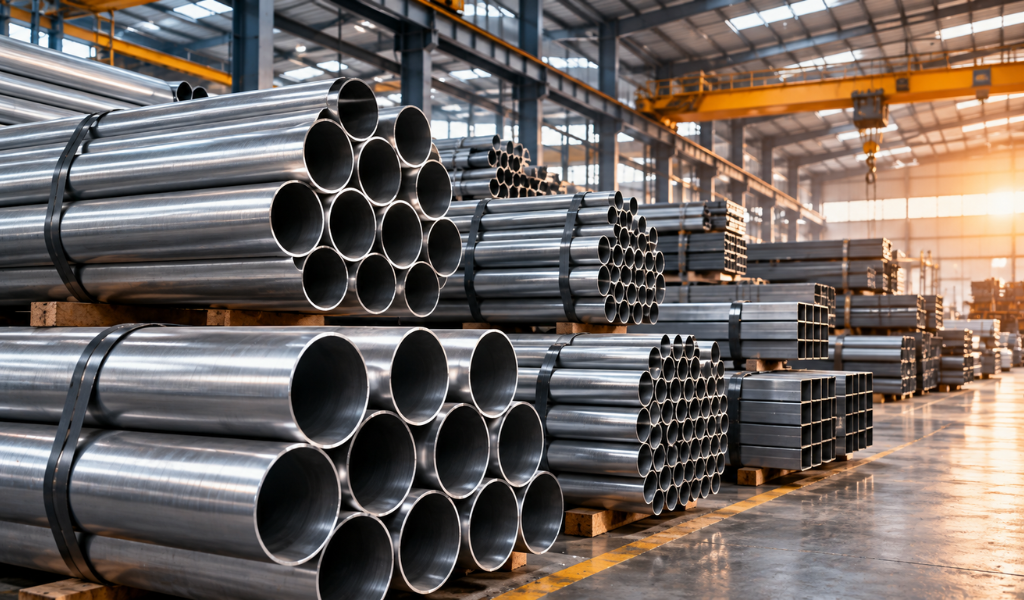
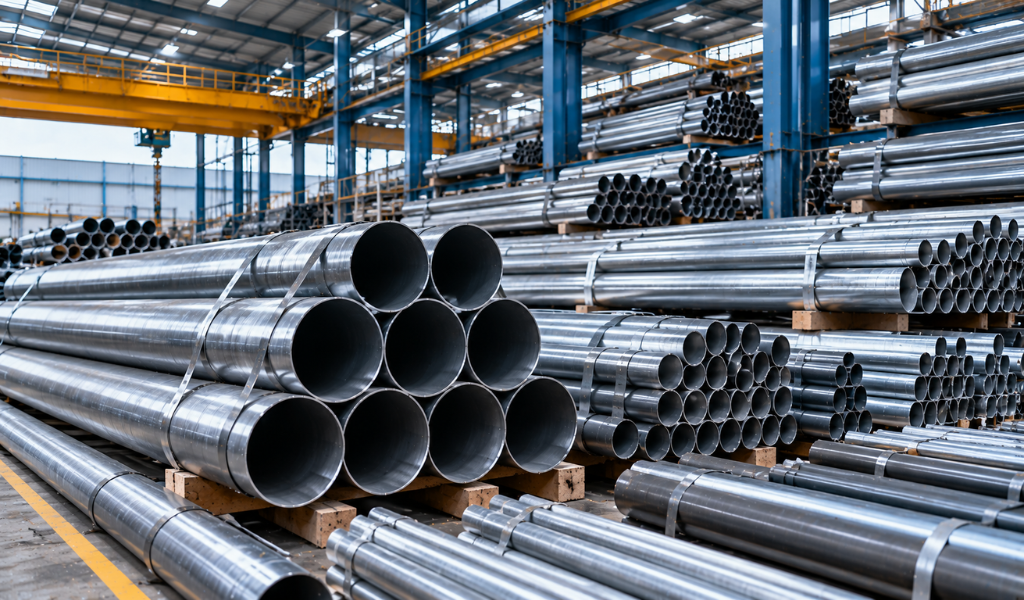
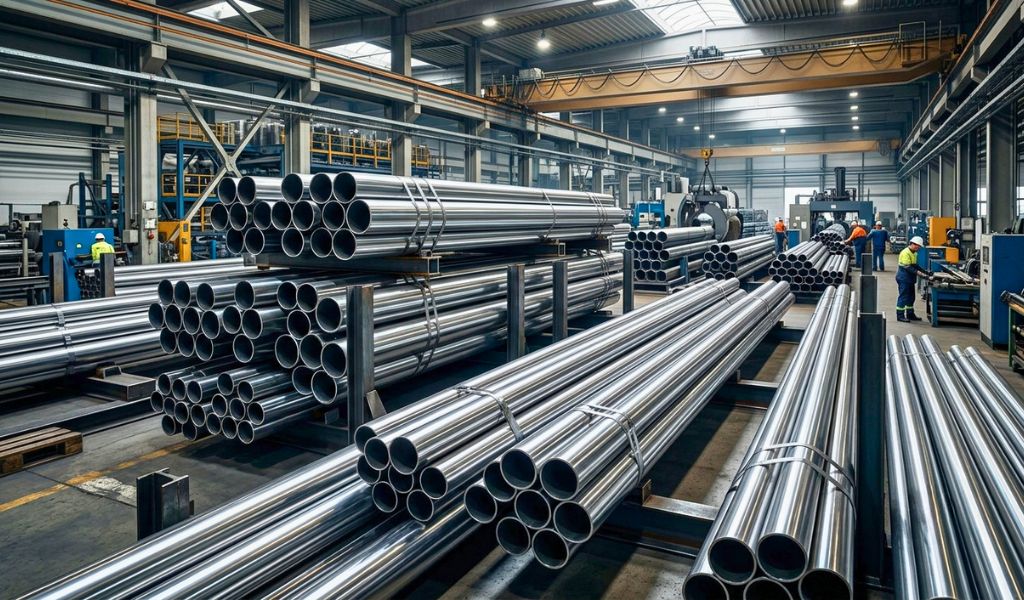
Because of their strength, versatility and availability in different specifications, carbon steel pipes are widely used in industrial and infrastructure works. They can be used to make structural supports, equipment frames and some process systems.
For renewable energy projects, the expected loads and operating conditions must be compatible with the grade, wall thickness and manufacturing specification. When exposure to moisture or chemicals creates a risk of corrosion, protective coatings may be necessary as well.
2. Industrial Steel Pipes
Industrial steel pipes are a broad spectrum of products that are used for structural, mechanical and process-related applications. Their suitability is a function of method of manufacture, dimensions, material grade and the relevant technical standards.
In the case of large-scale renewable energy installations, specifying the correct product helps ensure compatibility with structural designs, equipment hookups and installation requirements.
3. Steel Pipes for Solar Power Plants
Steel pipes are commonly used at solar power plants as mounting frameworks, support structures and foundation systems. Hollow steel sections can be very useful where a design requires a compromise of strength, shape and ease of fabrication.
The correct dimensions and surface protection depend on panel loads, wind conditions, ground conditions and the mounting system. For outdoor installations, you might want to consider galvanised steel or another suitable protective coating to help reduce corrosion.
4. Corrosion-Resistant Steel Pipes
For coastal installations, humid environments and sites exposed to aggressive chemicals, corrosion-resistant steel pipes are worth considering. Suitable options include galvanised carbon steel, coated steel or stainless steel depending on the application.
The severity of exposure, maintenance requirements, and expected service life should be considered in selection. For durability, a protective coating might be all that is needed, depending on the project; some projects might need a more corrosion-resistant alloy.
How Do I Choose the Right Steel Pipes for an Energy Project?
The choice of the right steel pipes depends on a clear understanding of the technical and environmental requirements of the project. These are the steps to help you narrow down your choices.
Assess Structural and Operating Requirements
Determine whether the pipe is for holding equipment, forming part of a framework, or for conveying fluid. Ensure appropriate load-bearing capacity for structural applications, and special pressure and temperature ratings for process piping.
Evaluate Environmental Exposure
Consider rain, humidity, temperature changes, exposure to salt from the sea, and contact with soil. The steel grade, coating system, and maintenance schedule depend on these conditions.
Check Dimensions and Material Specifications
Check outside diameter, wall thickness, length, and tolerances required. Review material certificates and applicable standards to ensure that the selected product meets the engineering specification.
Consider Installation and Maintenance
The pipe should be compatible with fabrication, joining, and installation methods of the project. Consider access for inspection, how often maintenance is expected to be required, and the cost of protective treatments over the product's service life.
Work with a Reliable Supplier
An experienced supplier can help clarify product dimensions, available specs, and documentation. When you are sourcing for industrial and infrastructure requirements, you can explore the solutions for steel products offered by Mitwalli Steel Products Factory Co.
Practical Comparison: Which Steel Pipe Should You Choose?
|
Pipe type or option |
Potential application |
Key consideration |
|
Carbon steel pipes |
Structural supports and selected process systems |
Grade, strength and corrosion protection |
|
Hollow steel sections |
Solar mounting frameworks and equipment supports |
Section dimensions and load capacity |
|
Galvanised steel pipes or sections |
Outdoor renewable energy structures |
Coating quality and environmental exposure |
|
Stainless steel pipes |
Corrosive environments and specialised systems |
Alloy grade and chemical compatibility |
|
Specialised process piping |
Hydrogen, storage and fluid-handling systems |
Pressure rating, temperature and service compatibility |
Note: These are general recommendations. Final selection should follow the project's engineering design, applicable standards and supplier documentation.
Also read: Seamless vs Welded Steel Pipes: Which One Is Best for Your Project?
Common Mistakes to Avoid When Selecting Steel Pipes
A good steel product can be disappointing if it is not specified or installed properly. Avoid these common errors:
-
Don’t just look at the initial purchase price. When buying on price only, compare service life, protective treatments and maintenance costs.
-
Corrosion risks are overlooked: Outdoor and coastal installations may require additional protection.
-
Not paying attention to technical standards: Check material grades, dimensions and required certifications before ordering.
-
Structural products for non-structural applications: Hollow sections designed for frameworks may not be suitable for pressurised fluid transport.
-
Not planning for maintenance: Incorporate factor inspections and coating repairs into the long-term maintenance plan for the project.
Conclusion
Selecting the appropriate steel pipes for renewable energy projects requires a balance between strength, durability, corrosion resistance, and specific application needs. Carbon steel pipes are used in a range of structural and industrial applications, and hollow sections are useful in certain solar mounting systems. Where there is further risk of corrosion due to environmental exposure, galvanised, coated or stainless steel options may be more appropriate.
Before ordering check material grade, dimensions, applicable standards and expected conditions of operation. If you need to implement a renewable energy or industrial infrastructure project, then you should consider the hollow tube products provided by Mitwalli Steel Products Factory Co and contact the supplier for the technical requirements to obtain the right solution.
FAQs on Steel Pipes
1. Which steel pipes are best for renewable energy projects?
The best option depends on the application. Carbon steel and hollow steel sections are common choices for structural supports, while coated or stainless steel products may be preferable in corrosive environments.
2. Are carbon steel pipes suitable for solar power plants?
Yes. Carbon steel products can be used in solar mounting structures and support systems when their dimensions, strength and corrosion protection meet the project's design requirements.
3. Why is corrosion resistance important in renewable energy infrastructure?
Corrosion can weaken steel components, increase maintenance costs and shorten service life. Appropriate coatings, galvanisation or corrosion-resistant alloys can help protect components exposed to moisture, salt and chemicals.
4. How do I select the correct steel pipe size for an energy project?
Consider the structural loads or operating pressure, required dimensions, wall thickness, temperature conditions and relevant engineering standards. A qualified engineer should confirm the final specification.