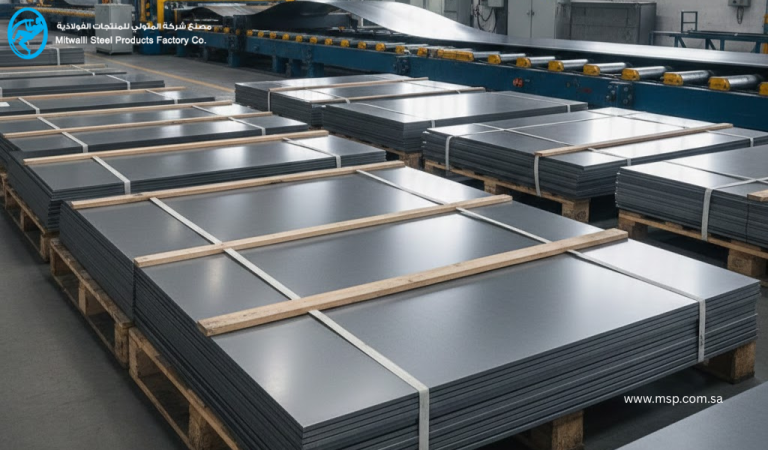
Steel Sheets 101: A Comprehensive Overview for Engineers and Designers
Steel sheets are essential for construction and manufacturing industries to sustain the demands of the evolving construction and manufacturing industries in modern infrastructure, industrial and architectural facilities. Steel sheets are a go-to choice among engineers and designers for their versatility, durability, and applicability across a wide variety of industries, from structural frames to roofing and exterior cladding.
This detailed guide details what the purpose of steel sheets are, explores the types of steel sheets, and describes how to select the most appropriate steel sheet solution based on performance, aesthetics, and durability.
Understanding Steel Sheets in Modern Engineering
Steel sheets are flat-rolled steel products made in different thicknesses, finish, and coating. They are used in a variety of applications, as they offer a combination of strength and flexibility, which makes them ideal for load-bearing and non-structural applications.
Steel sheets still give engineers the predictability and consistency of their mechanical properties. For designers, they provide limitless freedom in form, touch and finish – as both a functional and visual component.
What Are Steel Sheets Used For?
Questions like this are common in industrial design and construction: What are steel sheets used for? The reason is — they are sector agnostic sort of adaptability.
Steel sheets are typically used in:
- Building facades and wall cladding
- Sheets put it on steel turned into for roof systems for home, commercial and industrial construction.
- Structural enclosures and partitions
- Industrial equipment and machinery housings
- Automotive, appliance, and manufacturing components
Steel sheets are a great fit for precision and durable applications, because it has uniform thickness and a high strength-to-weight ratio.
Types of Steel Sheets and Their Applications
It is important for engineers and designers to understand that there are different types of steel sheets (also defined in ISO standards) so that they can choose the right material for their project.
Hot Rolled Steel Sheets
Well, hot rolled steel sheets are produced at a higher temperature with rough finish surface But having an impeccable structural integrity. They are commonly used in:
- Structural components
- Industrial flooring
- Heavy-duty fabrication
When strength and cost are the top priorities of many projects, hot rolled steel sheets suppliers are often the first choice of materials.
Galvanized Steel Sheets
Galvanized steel sheets are coated with a layer of zinc for protection against corrosion. This makes them ideal for:
- Outdoor structures
- Humid or coastal environments
- Roofing and wall panels
This improves their resistance to corrosion significantly, thereby elongating the service life and reducing the maintenance costs.
Corrugated Steel Sheets
These are installed sheets of unknown thickness with a wavy or ribbed profile (corrugated) whose shape creates a stiffening effect that easily supports material loads. They are widely used in:
- Warehouses and industrial sheds
- Agricultural buildings
- Temporary and permanent roofing solutions
The form factor of these shapes enables larger spans and speeds up the installation pace.
Steel Sheets for Roof Applications
Steel sheets have gained popularity as one of the widely used materials, especially in modern roof systems, due to their sustainability and dynamic nature with the weather. Steel roofing provides a few advantages over common materials:
- High resistance to wind, heat, and impact
- Lightweight structure reducing load on foundations
- Long service life with minimal maintenance
We understand engineers recommend steel sheets for roof designs in extreme climate, while designers love their clean lines and appearance – modern yet timeless.
Design Flexibility and Aesthetic Appeal
Apart from being strong, steel sheets offer remarkable flexibility in design. They can be:
- Painted, coated, or textured
- Cut and formed into complex shapes
- Combined with other materials like glass or concrete
The flexibility associated with these serves to empower architects and designers in building visual-catchy structures, sacrificing the stability and the structure performance at the same time.
Also read: The Essential Guide to Steel Sheets: Choosing the Right Material for Your Needs
Performance Advantages of Steel Sheets
For a number of performance related reasons, steel sheets come out on top:
Strength and Reliability
Steel serves high-able quality over large surfaces, reducing concern for structural and non-structural strength.
Sustainability
Used steel sheets can be recycled indefinitely without any degradation in property. That makes them a sustainable option for today’s environmentally conscious developments.
Cost Efficiency
Steel sheets have a longer lasting quality combined with lower maintenance, but only if they are sourced from right manufacturers or hot rolled steel sheets suppliers provides us the same.
Choosing the Right Steel Sheets for Your Project
Selecting the right steel sheets depends on several factors:
- Application (roofing, cladding, structural use)
- Environmental exposure (humidity, heat, corrosion)
- Required strength and thickness
- Aesthetic requirements
Galvanized steel sheets suit outdoor activities while corrugated steel sheets are well-suited for roofing expansive petals.
Industry Trends in Steel Sheet Usage
The requirement of steel sheets is rising in the fields of construction, infrastructure and manufacturing. Key trends include:
- Higher utilization of plated and anti-corrosive steel
- Make structures much quicker with lightweight steel options
- Incorporation of green building systems steel sheet
These trends are indicative of the move in the industry toward efficient, long-lasting, and ecologically sound materials.
Why Engineers and Designers Prefer Steel Sheets?
Predictability, load performance, and conformity to world standards make steel sheets a material of choice for engineers. Steel sheets are favored by designers for the way they can help mold contemporary, minimalist, and industrial design of architecture.
Styled to show well, steel sheets offer technical reliability when combined with expert fabrication and skilled installation.
Conclusion
From industrial structures to architectural roofing, Steel Sheets remain a cornerstone material for engineers and designers. Their strength, versatility, and wide range of applications—from corrugated steel sheets to galvanized steel sheets—make them indispensable in modern projects.
Whether you are sourcing from trusted hot rolled steel sheets suppliers or designing innovative steel sheets for roof systems, choosing the right steel sheet solution ensures durability, efficiency, and lasting value.
FAQs about Steel Sheets
What are steel sheets used for in construction?
Steel sheets are used for roofing, wall cladding, structural enclosures, and industrial buildings due to their strength, durability, and ease of installation.
Are galvanized steel sheets suitable for outdoor use?
Yes, galvanized steel sheets are ideal for outdoor applications because their zinc coating protects against corrosion and harsh weather conditions.
Why are corrugated steel sheets popular for roofing?
Corrugated steel sheets offer higher load-bearing capacity, lightweight installation, and excellent water drainage, making them perfect for roofing.
How do hot rolled steel sheets differ from other types?
Hot rolled steel sheets are produced at high temperatures, offering superior strength and cost efficiency, often sourced from specialized suppliers.
Do steel sheets support sustainable construction?
Absolutely. Steel sheets are recyclable, long-lasting, and reduce material waste, supporting sustainable and eco-friendly building practices.
Add New Comment
Sorry, Comments are closed!