Understanding Steel Coils: Types, Uses, and Benefits in Modern Manufacturing
In today’s fast-paced industrial world, steel coils are the backbone of modern manufacturing and construction. Whether it is for large infrastructure projects or everyday consumer products, the strength, flexibility and efficiency found in steel coils are largely unmatched by other materials. They can be processed, shaped, and customized make them a go-to option across industries.
This definitive guide covers steel coils, by starting with an explanation of what it is, how it is produced, its types, and its importance for the manufacturing of everything that modern life needs. This content is written plainly, naturally, humanly to inform the decision-makers and serve the businesses in need of steel for various purposes.
What Are Steel Coils and Why Are They Important?
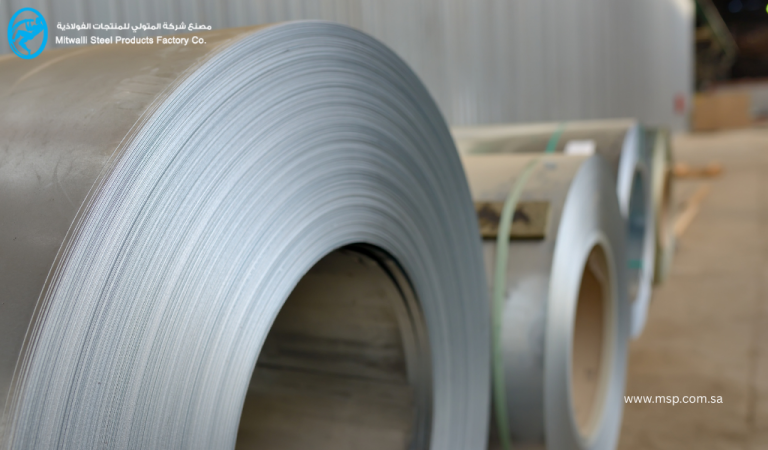
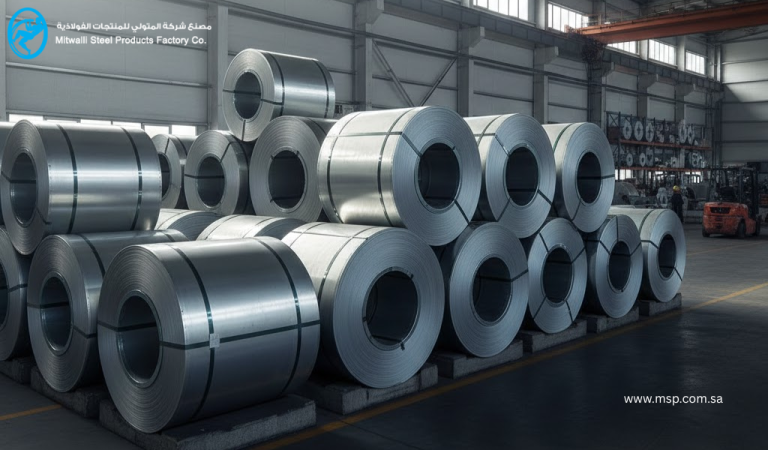
Steel coils are very long and long-term sheets of steel that have been rolled and wound in a coil form to make them easier to handle, store and transport. Coils are manufactured so steel can be cut, shaped and fabricated as required instead of making steel in specific lengths.
Steel coils find extensive applications due to their versatility. They can be processed into pipes, sheets, automotive parts, appliances, roofing, and structural components. This flexibility minimizes waste, time, and costs of production, all of which are critical benefits in contemporary manufacturing.
How Steel Coils Are Made?
How Steel Coils Are Made: Step-by-Step Overview
A guide to steel coils making process can help buyers with product selection for their application:
Steel Production
Blast furnaces or electric arc furnaces transform iron ore or recycled scrap into steel.
Casting and Rolling
Steel is cast into slabs of steel, then sent to rolling mills.
Hot Rolling Process
The slabs are pressed by heat into thin sheets which produces hot rolled steel coils.
Cold Rolling and Finishing
Coated with a further treatment at ambient temperature to provide better surface properties and higher strength, thus yielding cold rolled steel coils.
Coating and Protection
These coils are sometimes coated with zinc or other materials for corrosion-resistance purpose, and are called galvanized steel coils.
This makes steel coils various and at every level particular properties are added to steel coils so that it can be used for numerous industrial needs.
Types of Steel Coils Used in Manufacturing
Hot Rolled Steel Coils
Hot rolled steel coils Hot rolled steel cores are made by hot rolling coils. It creates more workable and pliable steel, and this is often necessary for even extremely large uses of steel.
Key features:
- Excellent strength and durability
- Lower production cost
- Suitable for structural and industrial uses
These coils find their application in the construction frames, shipbuilding, oil and gas equipment, and heavy machinery.
Cold Rolled Steel Coils
Hot rolling is a process prior to cold rolling steels coils. The steel is rolled at room temperature for a tighter tolerances and a smoother surface.
Key features:
- High dimensional accuracy
- Smooth, clean surface finish
- Improved mechanical properties
Cold rolled coils are often used for automotive panels, panels for home appliances, furniture, and elements of precision-engineered products, where the appearance and accuracy are very important.
Galvanized Steel Coils
Galvanized Steel Coils have a layer of zinc applied to steel in the method of process of galvanization which protects the steel from corrosion. This makes the steel last many times longer, particularly in outdoor or moist climates, before it would rust.
Key features:
- Strong corrosion resistance
- Low maintenance requirements
- Long service life
These coils are implemented in a number of applications, such as roofing, fencing, HVAC, agricultural equipment, and infrastructure applications that are subject to the outdoors.
Applications of Steel Coils in Modern Manufacturing
Since there is flexibility and high performance, steel coils back up a wide variety of industries:
- Construction and Infrastructure – roofing sheets, structural components, and reinforcements
- Automotive Industry – body panels, frames, and safety parts
- Manufacturing and Fabrication – pipes, tubes, and metal profiles
- Appliances and Electronics – casings, panels, and internal components
- Energy and Utilities – pipelines, storage systems, and support structures
Steel coils are ideal for both light and heavy industrial applications due to their high degree of customization with elements such as thickness, width, and coating.
Benefits of Using Steel Coils
Why Manufacturers Prefer Steel Coils?
Here are the practical and economic advantages of steel coils driving the growing demands for it:
- Cost Efficiency
Steel inventions enable continuous processing, cutting down the waste of materials and .
- Design Flexibility
Manufacturers are able to accurately cut and shape coils into exact specifications, which accommodates custom designs.
- Strength and Reliability
Steel coils boast high-quality mechanical strength to serve you for many years.
Also read: Hot-Rolled Vs Pre-Painted Steel Coils: Which Suits Saudi Roofs Best?
- Easy Transportation and Storage
Handling and logistics are better with coiled than flat.
- Sustainability
The coils are made from recyclable steel, which makes them an eco-friendly option.
Choosing the Right Steel Coils for Your Business
Choosing suitable steel coils greatly hinges on the application requirements and operating conditions. Consider the following factors:
- Load and Strength Requirements
- Surface Finish and Appearance
- Exposure to Moisture or Chemicals
- Fabrication and Processing Needs
Hot rolled steel coils are suitable for structural applications while cold rolled steel coils are appropriate for accuracy production. Therefore, galvanized steel coils have a good role in places where protection against corrosion is very important.
Sourcing from experienced suppliers ensures stable quality, technical support and assured supply for projects of a longer duration.
Steel Coils and Modern Industry Trends
Steel coils have undergone many changes as industries increasingly focus on efficiency and sustainability. High end rolling technologies, better Coating and improved Quality standards are making the process environmentally friendly while improving performance.
With competitive markets demanding quicker production cycles, minimized waste, and greater product consistency, manufacturers are leaning more towards steel coils to underpin these requirements.
Final Thoughts
Understanding steel coils is essential for businesses involved in manufacturing, construction, and industrial development. From knowing how steel coils are made to choosing between hot rolled steel coils, cold rolled steel coils, and galvanized steel coils, informed decisions lead to better performance and cost savings.
By investing in the right steel coils and partnering with reliable suppliers, businesses can ensure durability, efficiency, and long-term value in modern manufacturing.
FAQs on Steel Coils
1. What are steel coils mainly used for?
Steel coils are used in construction, automotive manufacturing, appliances, pipelines, and industrial fabrication.
2. How steel coils are made?
Steel coils are made by rolling steel slabs through hot rolling, cold rolling, and optional coating processes.
3. What is the difference between hot rolled and cold rolled steel coils?
Hot rolled steel coils are stronger and cost-effective, while cold rolled steel coils offer better surface finish and precision.
4. Why choose galvanized steel coils?
Galvanized steel coils provide excellent corrosion resistance and are ideal for outdoor and moisture-prone environments.
5. Are steel coils environmentally friendly?
Yes, steel coils are recyclable and support sustainable manufacturing practices.
Add New Comment
Sorry, Comments are closed!