A Comprehensive Guide to Steel Manufacturing: From Raw Materials to Finished Products
Steel manufacturing is the backbone of modern infrastructure, construction, and industrial development. Steel is the backbone of our built environment, from towering skyscrapers to bridges, pipelines, and machinery. To ensure a quality supply of steel, engineers, contractors, and especially business owners must understand how steel is made, what processes are utilized in manufacturing, and the many different end products produced.
In this guide, we will go through the entire journey of steel—from raw materials to finished products—key processes, standards, and insights of the industry relevant to companies and buyers who are looking for a steel manufacturing company for their projects in Saudi Arabia or a nearby supplier.
What Is Steel Manufacturing?
Steel Production means the converting of primary raw materials like iron ore, coal and scrap steel into usable steel products. Copper processing is a multistage method that follows certain stages which include melting, refining, forming, and finishing to get materials which are optimal for construction, industrial, and consumer use.
Steel is known for its strength, durability, flexibility, and recyclability. Current steel production combines time-honored practices with new strategies to optimize quality, reduce costs and waste, and promote sustainable use of steel.
The Process for Steel Manufacturing
For anyone in the construction, fabrication, or industrial supply industry, it is critical to understand the steps involved in steel manufacturing. The steps normally involved are:
1. Raw Material Preparation
What you need to prepare to be processed through the production process are 4 raw materials: iron ore, coal, limestone and scrap steel. Next, Different raw materials are sorted, crushed, and mixed in exact ratios to produce a homogenous feedstock.
2. Iron Making
In the production of the metal iron from processed ore, blast furnaces or direct reduction methods are employed. Iron ore is smelted in a blast furnace along with coke and limestone to form liquefied iron. This molten iron is the main raw material for making steel.
3. Steelmaking
The process of purifying molten iron into the desired chemical composition. Steelmaking happens in the furnaces like Basic Oxygen Furnace (BOF) or Electric Arc Furnace (EAF).
4. Casting and Forming
The induced liquid steel is then cast into slabs, blooms or billets which then can be processed into sheets, bars, rods, tubes or coils. Continuous casting gets used to make things more efficient and better quality.
5. Rolling and Finishing
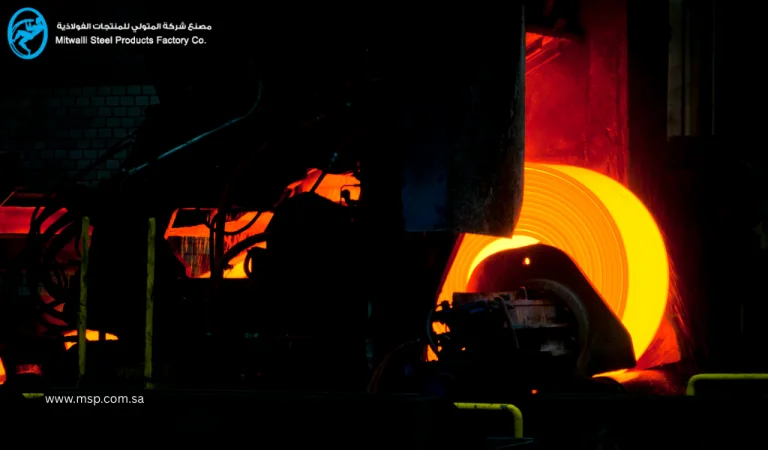
Steel products are processed by hot rolling or cold rolling. Other finishes such as galvanizing, coating, or post heat treatment further increase strength, corrosion resistance, or performance.
6. Quality Inspection and Packaging
Steel products should also check the size, mechanical properties and surface finish before shipment. The final products are packaged and delivered to distributors, construction sites, or industrial customers.

Types of Steel Manufacturing Products
Steel products are used in a variety of possible applications. The product we choose is determined by the nature of the project, environment, and structural requirements. Common products include:
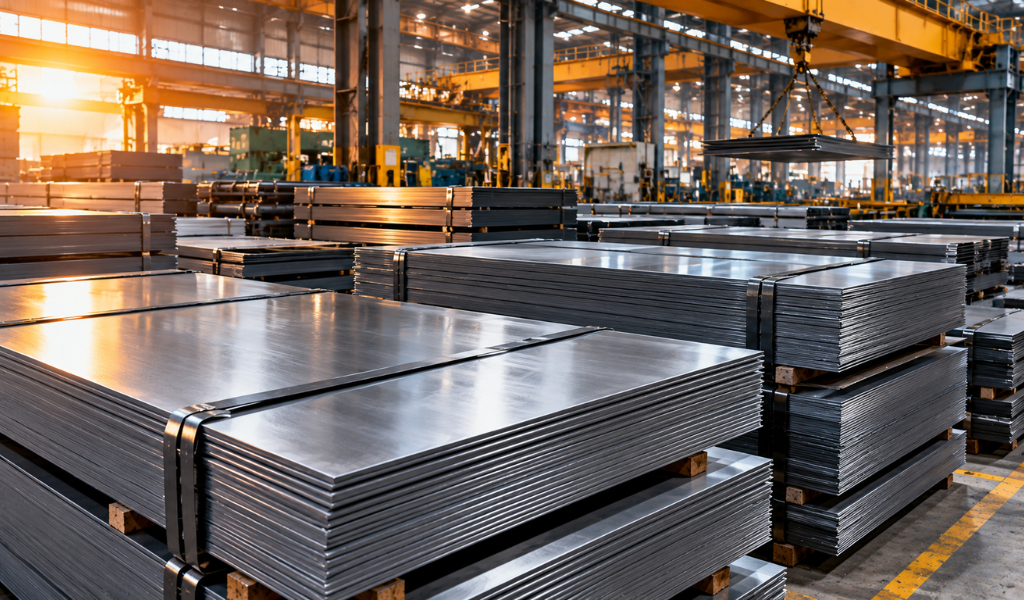
- Steel sheets and coils – used in roofing, fabrication, and industrial machinery
- Steel bars and rods – for reinforced concrete, bridges, and frameworks
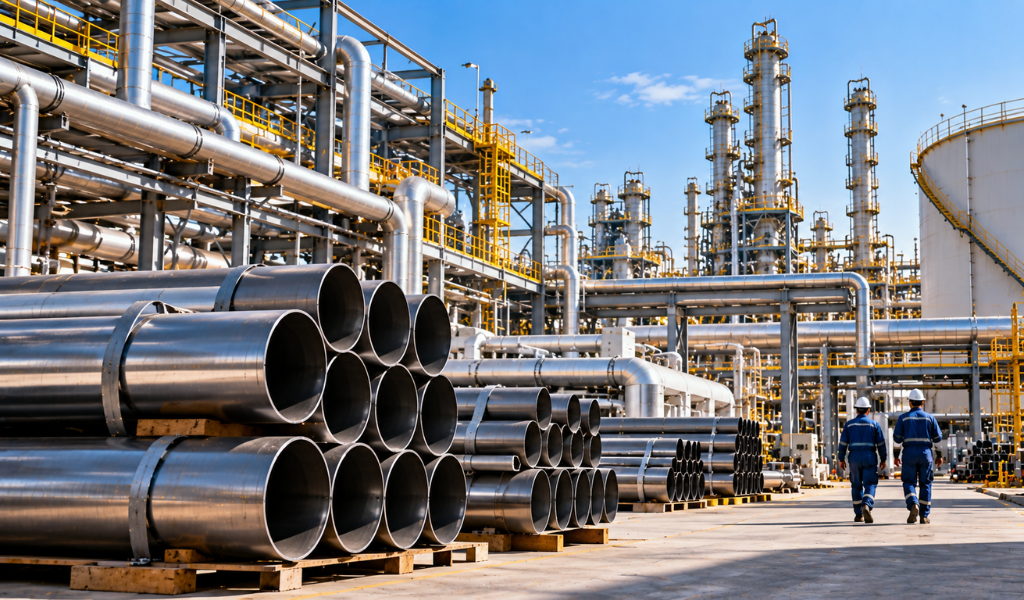
- Steel tubes and pipes – for pipelines, structural supports, and mechanical applications
- Structural steel components – beams, channels, and angles for buildings and industrial facilities
- Galvanized and coated steel – corrosion-resistant solutions for outdoor applications
It leads to optimal cost-effectiveness, durability, and efficiency of projects, with the steel manufacturing product being selected accordingly.
Finding a Reliable Steel Manufacturing Company
A reliable steel manufacturing company is key to getting the quality, consistency, and timely delivery. Good suppliers offer technical support, follow industry standards, and achieve efficiency in their production process.
In your search for steel manufacturing near me, there are eleven realities to consider.
- Product range and availability
- Quality certifications and compliance with international standards
- Experience in large-scale and specialized projects
- Capacity for customized products and specifications
- Timely delivery and logistics support
The Same applies to business operating, working with a steel manufacturing company in Saudi Arabia can provide additional benefits such as better understanding of local market, compliance with regional regulations and faster supply chain management.
Advantages of Modern Steel Manufacturing
There are several advantages that modern steel manufacturing provides to a business and industry:
- High Strength and Durability: Steel products can withstand heavy loads and extreme environmental conditions.
- Versatility: Steel can be shaped, coated, and fabricated to suit specific applications.
- Cost Efficiency: Standardized production and long product lifespan reduce overall expenses.
- Sustainability: Steel is recyclable and supports green construction initiatives.
- Speed of Delivery: Local manufacturing facilities ensure timely supply for projects.
This is why steel is an irreplaceable material in construction, infrastructure, and industrial applications.
Innovations Shaping Steel Manufacturing
Technological innovation does, however, continue to shape the future of steel with greater efficiency, quality, and sustainability:
- Automation and Robotics: Streamlined production lines reduce errors and improve consistency.
- Digital Quality Control: Sensors and AI-based systems detect defects in real-time.
- Energy-Efficient Production: Modern furnaces and recycling processes reduce carbon emissions.
- Advanced Coatings: Protective coatings enhance corrosion resistance and extend product life.
Such innovations allow steel manufacturing firms to provide better products for intricate and huge projects.

Common Mistakes to Avoid in Steel Procurement
Buying steel products is not without errors — even for seasoned professionals! Avoid these common mistakes:
- Choosing a supplier solely based on price
- Ignoring quality certifications or compliance standards
- Overlooking environmental factors like humidity or corrosion risk
- Failing to confirm delivery timelines and logistics
- Selecting products without considering project-specific load and structural requirements
By accommodating for these factors, buyers are guaranteed with quality performance that lasts for a long time.
The Future of Steel Manufacturing
Urbanization, infrastructure growth and sustainability initiatives ensure an optimistic outlook for steel manufacturing as we move into the future — far beyond October 2023. Industry trends include:
- Increased adoption of digital manufacturing and smart factories
- Greater emphasis on eco-friendly and recyclable steel products
- Expansion of specialized steel products for advanced construction and industrial applications
- Growing local production capabilities in regions like Saudi Arabia to support mega projects and Vision 2030 initiatives
By keeping pace with the latest in the industry, businesses to procure the right steel products with the right application and get the best steel solutions.
Final Thoughts
Understanding steel manufacturing is essential for anyone involved in construction, industrial development, or large-scale projects. From the process for steel manufacturing to finished steel manufacturing products, every stage plays a critical role in ensuring quality, efficiency, and durability.
Partnering with a reliable steel manufacturing company, whether you’re looking for suppliers near me or a steel manufacturing company in Saudi Arabia, ensures your projects stay on schedule and meet the highest standards. Investing in the right steel solutions today guarantees stronger, safer, and more sustainable structures for the future.
FAQs on Steel Manufacturing
1. What is the process for steel manufacturing?
Steel manufacturing involves raw material preparation, iron making, steelmaking, casting, rolling, finishing, and quality inspection.
2. What are steel manufacturing products used for?
They are used in construction, industrial applications, infrastructure projects, pipelines, and machinery fabrication.
3. How do I find a reliable steel manufacturing company near me?
Look for suppliers with quality certifications, product range, project experience, and reliable delivery timelines.
4. Why choose a steel manufacturing company in Saudi Arabia?
Local companies offer faster supply, compliance with regional standards, and expertise in large-scale regional projects.
5. What advantages does modern steel manufacturing offer?
It provides strength, durability, versatility, cost efficiency, sustainability, and faster delivery for industrial and construction projects.