Choosing the right building system is vital to construct robust, safe, and efficient industrial facilities in Saudi Arabia. Buildings should be designed to meet local challenges and still be able to maintain structural performance with extremely high summer temperatures, strong winds, occasional sandstorms and varying environmental conditions.
Steel construction is flexible, strong, and provides long-term value. But the choice of the right materials, structural elements, and design specifications makes a big difference. Whether you are developing a warehouse, factory, or commercial facility, knowing the industrial building systems at your disposal can help you make a more informed investment.
Quick Summary
-
Choose steel materials that can withstand high temperatures and environmental exposure.
-
Consider corrosion protection to improve structural durability.
-
Select structural components according to building size and intended use.
-
Prioritise thermal insulation and energy efficiency.
-
Work with an experienced steel manufacturer for reliable project execution.
Why Does Saudi Arabia's Climate Matter in Steel Construction?
Saudi Arabia presents several environmental challenges that influence building design and material selection.
-
Extreme heat: Summer temperatures can exceed 45°C in many regions. Steel structures and roofing systems must account for thermal expansion and heat transfer.
-
Strong winds: Open industrial sites and desert locations may experience considerable wind loads. Proper structural design and secure connections are essential.
-
Dust and sandstorms: Airborne sand and dust can affect external surfaces, protective coatings, and building maintenance.
-
Corrosion risks: Coastal areas may experience higher humidity and salt exposure, increasing the risk of corrosion in unprotected steel.
Understanding these conditions helps businesses select suitable steel building system solutions for long-term performance.
How to Choose the Right Building System for Saudi Climates?
Selecting a suitable building system involves more than comparing material prices. Consider the following factors before finalising your construction plans.
1. Select High-Quality Structural Steel
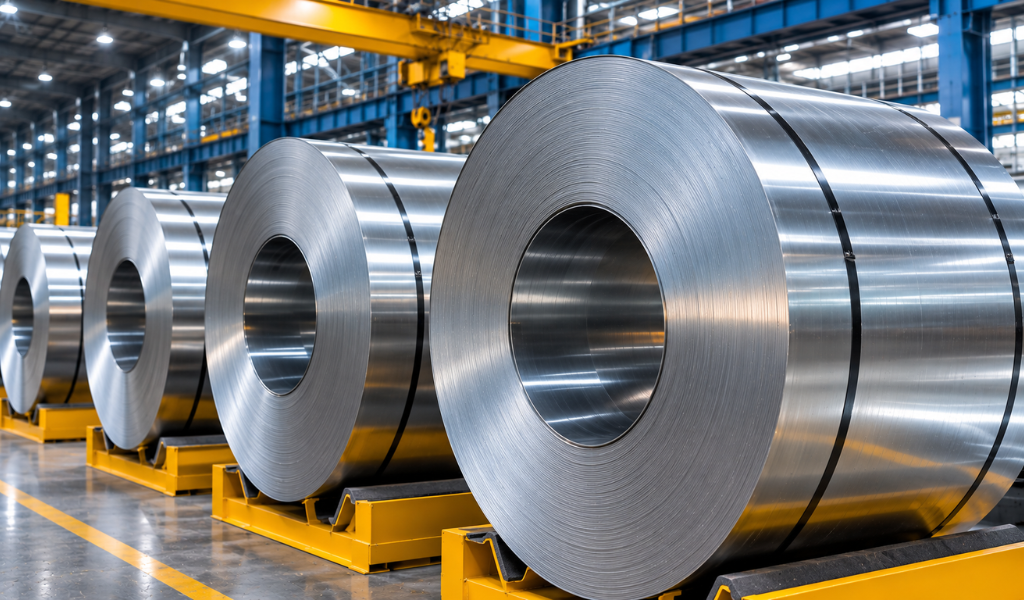
The quality of steel directly affects the strength and stability of an industrial facility. Choose materials that meet relevant engineering specifications and are suitable for the building's expected loads.
Look for structural components with consistent dimensions, reliable fabrication quality, and appropriate strength characteristics.
2. Consider Corrosion Protection
Steel structures exposed to humidity, coastal air, and harsh environmental conditions require suitable protective treatments.
Depending on the location and application, consider:
-
Hot-dip galvanising.
-
Protective industrial paint systems.
-
Anti-corrosion coatings.
-
Regular inspection and maintenance.
These measures help extend the service life of structural steel components.
3. Prioritise Thermal Insulation
Heat management is particularly important for factories, warehouses and production facilities.
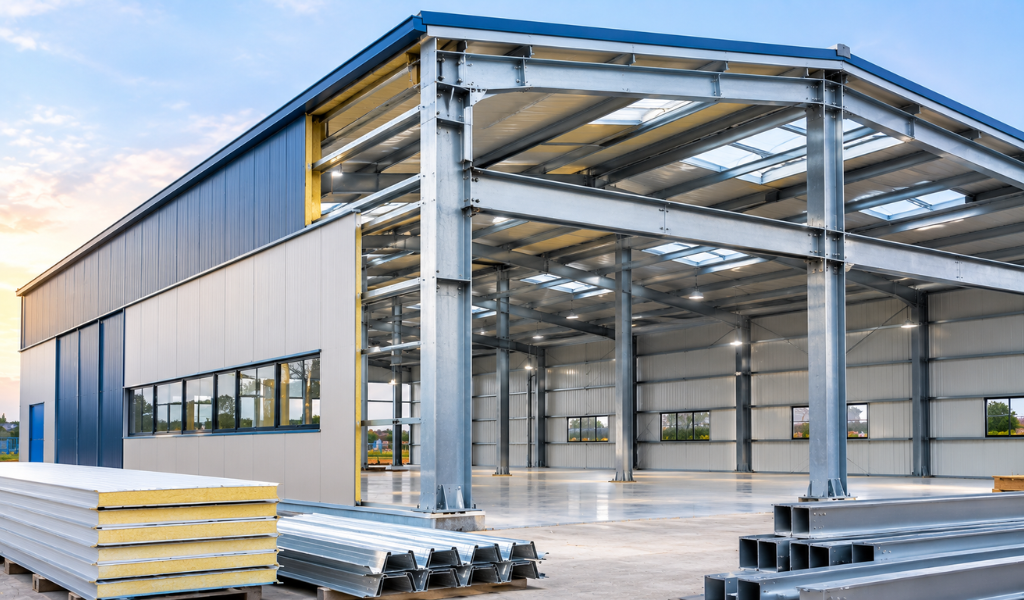
Consider insulated roofing panels, suitable wall cladding and ventilation systems. These features can reduce indoor heat gain, improve working conditions and support lower cooling requirements.
4. Evaluate Structural Design and Wind Resistance
The building's design should account for local wind conditions, roof loads, equipment requirements, and the intended use of the facility.
A qualified structural engineer should assess load calculations, connection details, foundation requirements, and applicable Saudi building regulations before construction begins.
5. Choose Components That Support Future Expansion
Industrial requirements can change as businesses grow. A flexible building design can make future extensions and modifications easier.
Consider modular layouts, standardised connections and appropriately designed structural frames.
Essential Structural Steel Building Components
A reliable steel structure depends on how individual components work together.
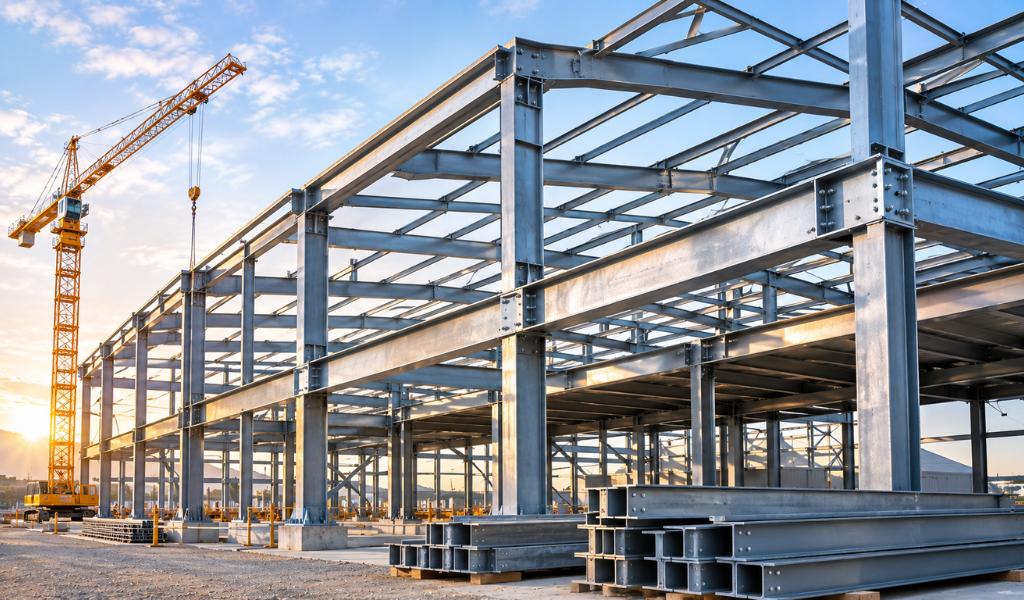
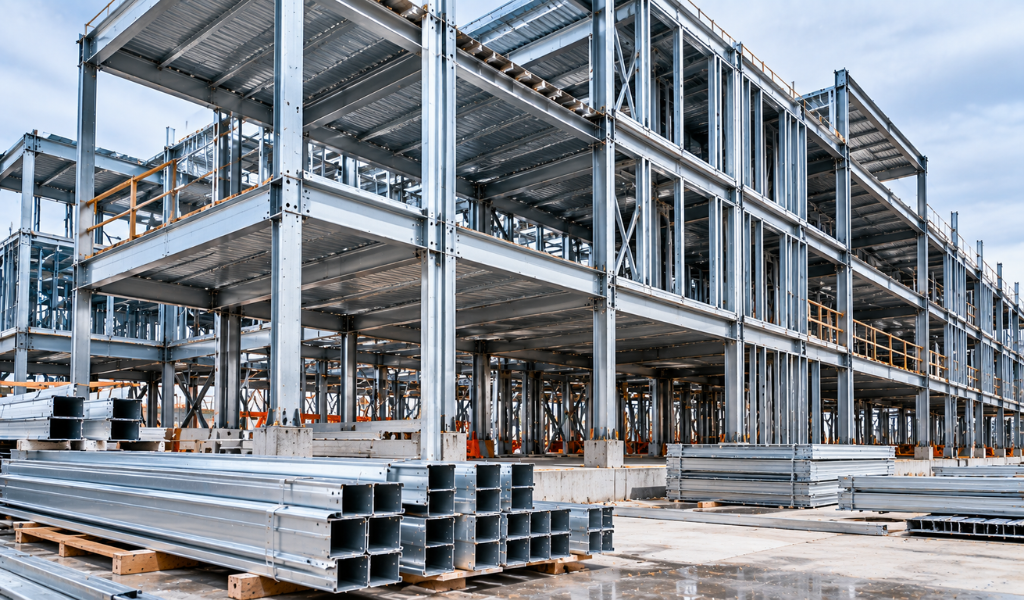
Common structural steel building components include:
-
Steel columns: Transfer vertical loads from the structure to the foundation.
-
Steel beams: Support floors, roofs, and other structural elements.
-
Roof trusses: Provide support for roofing systems and help distribute loads.
-
Bracing systems: Improve stability against lateral forces and wind loads.
-
Purlins and girts: Support roof and wall cladding.
-
Steel connections: Join structural members and maintain overall stability.
Selecting suitable components is important for creating safe and efficient industrial construction systems in Saudi Arabia.
Comparison Table: Which Steel Building Features Should You Prioritise?
|
Building requirement |
Recommended consideration |
Main benefit |
|
Extreme temperatures |
Insulated roofing and wall panels |
Better thermal performance |
|
Coastal environments |
Galvanised or protective coatings |
Improved corrosion resistance |
|
Strong winds |
Engineered bracing and connections |
Structural stability |
|
Large industrial spaces |
Suitable steel frames and beams |
Wider usable spaces |
|
Future expansion |
Modular structural planning |
Easier modifications |
|
Heavy equipment |
Load-specific structural design |
Reliable load support |
The final selection should always be based on engineering calculations, site conditions, and the facility's intended purpose.
Why Work with an Experienced Steel Manufacturer?
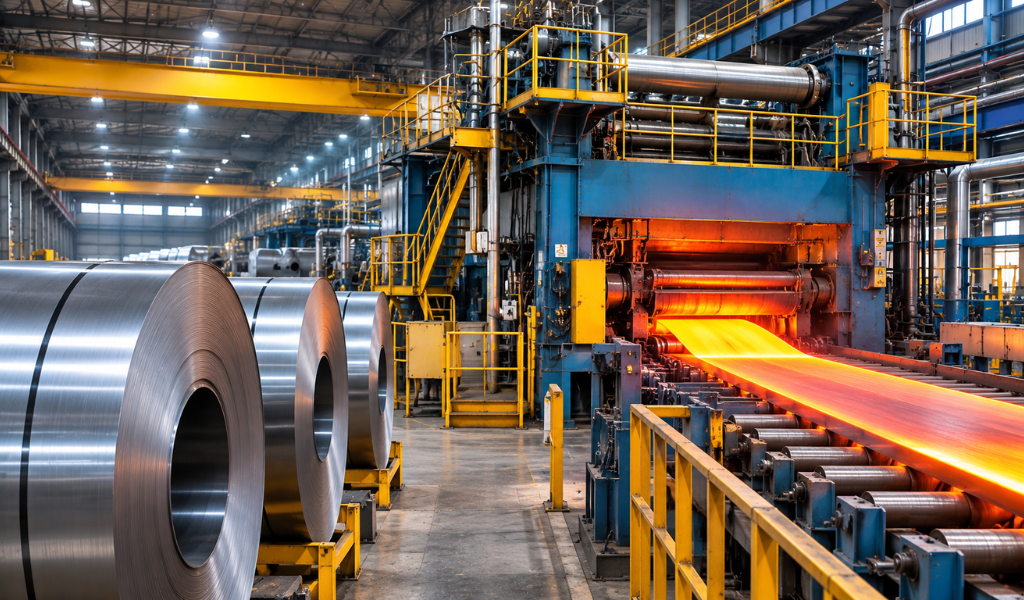
Choosing an experienced manufacturer helps ensure that materials and fabricated components meet project requirements.
Mitwalli Steel Products Factory Co offers steel product solutions for construction and industry applications. In evaluating a manufacturing partner, consider fabrication capabilities, material quality, dimensional accuracy, production capacity, and delivery timelines.
A reliable supplier should also understand project specifications and work with engineers to support accurate component selection.
Also read: Where Can I Buy Modular Building Systems for Residential Projects in Jeddah?
Conclusion
Selecting the appropriate building system for Saudi climates necessitates careful consideration of temperature, wind resistance, corrosion protection, insulation, and structural integrity. Buy quality steel materials and properly engineered components to increase the durability, operational efficiency, and long-term value of your building.
Working with a seasoned steel producer like Mitwalli Steel Products Factory Co will make the process of selecting materials and planning your industrial construction project much easier if your company is considering undertaking one.
FAQs on Steel Building System
1. What is the best building system for Saudi Arabia's climate?
Steel building systems with properly engineered structural frames, corrosion protection, thermal insulation, and suitable ventilation are effective options for many industrial applications.
2. Why is steel suitable for industrial buildings in Saudi Arabia?
Steel offers high strength, design flexibility, fabrication accuracy, and the ability to accommodate large industrial spaces. Appropriate protective treatments also help it withstand challenging environmental conditions.
3. How can steel buildings withstand extreme heat?
Insulated roofing, insulated wall panels, reflective external finishes, and effective ventilation can help reduce heat transfer and maintain more comfortable indoor temperatures.
4. What are the main components of an industrial steel building?
The main components include steel columns, beams, roof trusses, bracing systems, purlins, girts, and structural connections. Each plays a role in maintaining stability and supporting building loads.