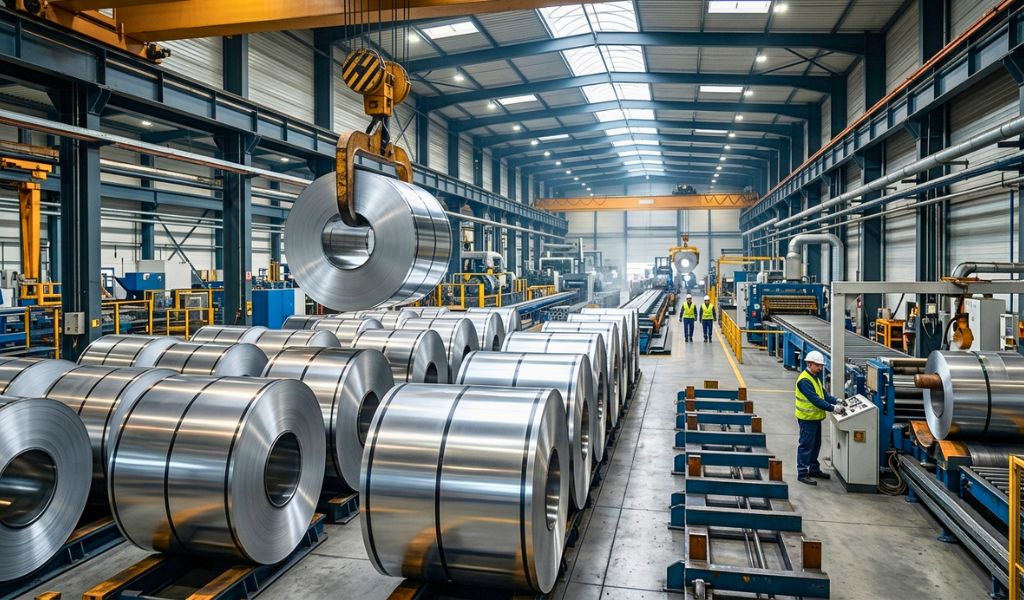
Steel coils are a critical component for modern construction and manufacturing. Delivered in rolled sheets of steel, they offer flexibility, strength and efficiency in the manufacture of everything from structural components and roofing panels to pipes, automotive parts and industrial equipment. Steel coils are manufactured in different types depending on the strength, thickness, surface finish, and corrosion resistance to meet specific requirements.
By knowing the differences between hot-rolled steel coils, cold-rolled steel coils, and galvanised steel coils, businesses can select the right materials for their projects. Choosing the right product is especially critical for manufacturers and contractors to maintain quality, control costs, and ensure long-term performance when working with steel coil suppliers in Saudi Arabia.
Quick Summary
-
Steel coils are widely used in construction, engineering, and industrial manufacturing.
-
Hot-rolled steel coils are suitable for structural and heavy-duty applications.
-
Cold rolled steel coils offer smoother surfaces and better dimensional accuracy.
-
Galvanised steel coils provide additional protection against corrosion.
-
The right steel coil depends on the application, environmental conditions, and fabrication requirements.
What Are the Main Types of Steel Coils?
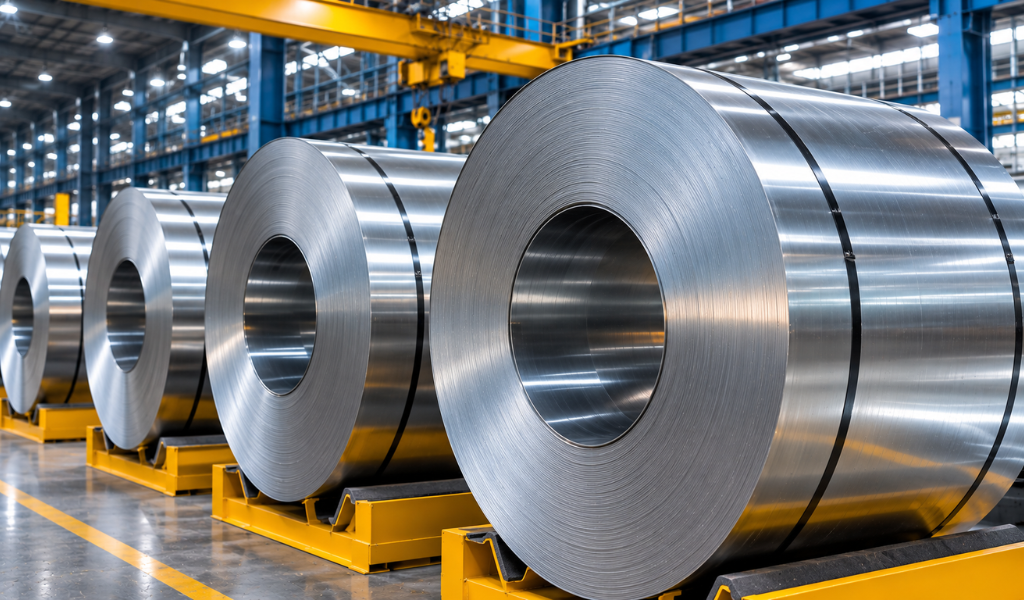
Steel coils are made by rolling steel into continuous sheets and then winding these sheets into compact rolls. They are available in various grades, thicknesses, and finishes to suit different industrial requirements.
These are the major types that are used in construction and manufacturing works.
1. Hot Rolled Steel Coils
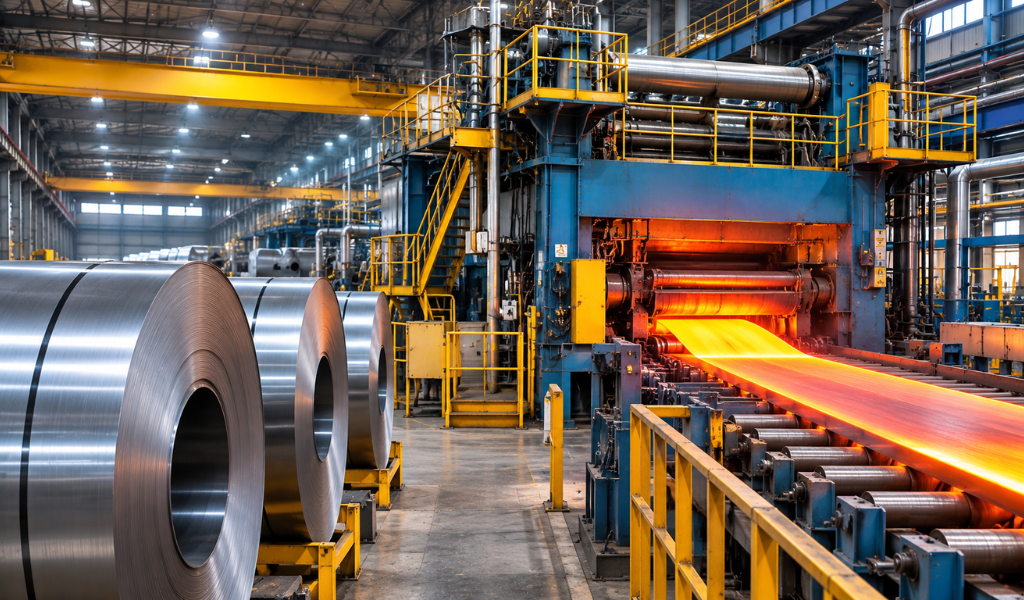
Hot rolled steel coils are made by passing the heated steel through rolling mills at high temperatures, generally above its recrystallisation temperature.
The process renders the material more pliable and enables it to be fabricated to larger dimensions. Hot rolled coils are usually rougher in surface finish and have less precise dimensional tolerances than cold rolled alternatives.
Common applications include:
-
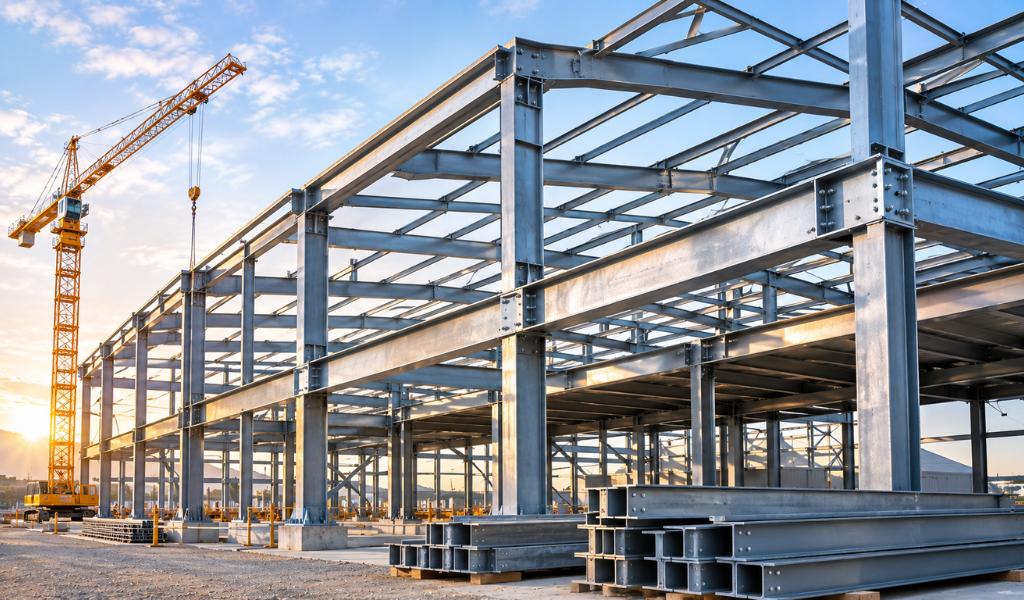
Structural steel components and building frameworks
-
Industrial machinery and equipment
-
Bridges and infrastructure projects
-
Pipes, tubes and heavy fabrication
-
Automotive structural components
They are a practical choice for projects where strength, formability and cost efficiency are more important than a smooth surface finish.
2. Cold Rolled Steel Coils
Cold rolled steel coils are produced by further processing hot rolled steel at or near room temperature. This additional rolling process improves thickness consistency, surface quality, and dimensional accuracy.
These coils are commonly selected for products that require a clean appearance and precise measurements.
Common applications include:
-
Electrical equipment and appliances
-
Automotive body panels
-
Metal furniture and cabinets
-
Precision engineering components
-
Interior construction applications
Cold rolled steel tends to be more expensive than hot rolled steel, but the improved finish and accuracy are well worth the price for finer manufacturing work.
3. Galvanised Steel Coils
Galvanised steel coils are coated with zinc to protect against rust and corrosion. The coating protects against moisture and exposure to the environment and makes these coils well suited for applications where durability is key.
They are especially useful in places that have difficult weather conditions.
Common applications include:
-
Roofing sheets and wall cladding
-
HVAC ducting and ventilation systems
-
Fencing and metal enclosures
-
Industrial sheds and warehouses
-
Automotive components
Galvanised steel coils are a popular option for construction projects that require improved corrosion resistance and reduced maintenance requirements.
4. Pre-Painted Steel Coils
Pre-painted steel coils are coated with protective paint before being supplied for fabrication. This provides a finished appearance while adding another protective layer to the steel surface.
They are available in different colours and finishes, offering both functional and aesthetic benefits.
Common applications include:
-
Architectural roofing and cladding
-
Commercial building facades
-
Industrial wall panels
-
Garage doors and metal enclosures
5. Stainless Steel Coils
Stainless steel coils contain chromium, which helps form a protective surface layer against corrosion. Depending on their grade, they can also offer excellent strength, heat resistance, and hygiene properties.
Common applications include:
-
Food processing equipment
-
Chemical processing facilities
-
Industrial tanks and vessels
-
Kitchen equipment
-
Specialised construction components
How to Choose the Right Steel Coils for Your Project?
Selecting suitable industrial steel coils requires more than comparing prices. Businesses should consider the operating environment, fabrication method, and performance expectations.
Keep these factors in mind:
1. Application requirements: Determine whether the steel will be used for structural fabrication, roofing, machinery, or precision components.
2. Corrosion resistance: Consider galvanised or stainless steel options for applications exposed to moisture, chemicals, or harsh environmental conditions.
3. Thickness and dimensions: Check the required coil thickness, width and weight to minimise processing waste.
4. Surface finish: Choose between standard, smooth or coated finishes depending on the final product.
5. Material quality: Review grade specifications, mechanical properties and relevant quality documentation before purchasing.
Working with experienced steel coil suppliers in Saudi Arabia can also help businesses identify materials that meet project specifications and local industrial requirements.
Comparison of Different Steel Coil Types
The following table highlights the main differences between commonly used steel coils.
|
Steel Coil Type |
Main Feature |
Typical Applications |
Key Benefit |
|
Hot rolled |
Rougher surface and high formability |
Structural frames, pipes and heavy fabrication |
Cost-effective processing |
|
Cold rolled |
Smooth finish and precise thickness |
Appliances, furniture and automotive parts |
Dimensional accuracy |
|
Galvanised |
Zinc protective coating |
Roofing, cladding and ducting |
Corrosion resistance |
|
Pre-painted |
Factory-applied paint coating |
Roofing and building facades |
Appearance and surface protection |
|
Stainless steel |
Chromium-based corrosion resistance |
Tanks, equipment and processing facilities |
Durability and hygiene |
Why Quality Steel Coil Processing Matters?
The quality of steel coil processing directly influences the performance of the finished product. Clean edges. Accurate dimensions and consistent thickness are necessary for efficient fabrication.
Coil slitting is especially important, as it is the process of cutting wider steel coils into narrower strips as needed by the manufacturing process. These strips, normally used as skelps, can then be fabricated into pipes, tubes, and other components.
Mitwalli Steel Products Factory Co supports the industrial requirements for steel through steel coil processing and slitting solutions. Selecting a supplier with the right processing capabilities can help a business use material more efficiently, maintain consistency, and improve production efficiency.
Also read: Where Can I Find Suppliers of High-Quality Steel Coils in Saudi Arabia?
How to Select Reliable Steel Coil Suppliers in Saudi Arabia?
Before placing an order, evaluate suppliers based on their product range, technical capabilities, and ability to meet delivery requirements.
Consider the following:
-
Product availability: Check whether the supplier offers the steel grades and coil types your project requires.
-
Processing facilities: Look for coil slitting capabilities and accurate cutting specifications.
-
Quality assurance: Request material specifications and relevant inspection documentation.
-
Supply reliability: Confirm production capacity, delivery schedules, and order flexibility.
-
Technical support: Choose a supplier that understands industrial applications and can help identify suitable materials.
A reliable supply partner can have a significant impact on project schedules, quality of fabrication, and operating expenses in general.
Conclusion
Understanding the different types of steel coils will help construction companies and manufacturers in making informed decisions on materials. Hot-rolled steel coils are used for heavy-duty fabrication, cold-rolled steel coils give a precise finish and a smooth finish, and galvanised steel coils give extra corrosion protection. Pre-painted and stainless steel options are available for more specialised requirements.
The choice of the right steel coils is ultimately dictated by the intended application, material specifications, and processing needs. Businesses requiring dependable steel products and coil slitting capabilities can contact Mitwalli Steel Products Factory Co to discuss their industrial requirements.
FAQs on Steel Coils
1. What are the main types of steel coils?
The main types include hot rolled, cold rolled, galvanised, pre-painted, and stainless steel coils. Each offers different properties and is suited to particular construction and manufacturing applications.
2. What is the difference between hot rolled and cold rolled steel coils?
Hot rolled steel coils are processed at high temperatures and generally have a rougher finish. Cold rolled steel coils undergo additional processing at lower temperatures, resulting in smoother surfaces and more accurate dimensions.
3. Why are galvanised steel coils used in construction?
Galvanised steel coils have a zinc coating that protects the underlying steel against corrosion. They are commonly used for roofing, cladding, ducting, and outdoor structures.
4. What are industrial steel coils used for?
Industrial steel coils are used to manufacture pipes, tubes, automotive parts, machinery, roofing sheets, structural components, and various fabricated metal products.