Choosing the right supplier is an important step in any construction or industrial project. Whether you are building a commercial building, manufacturing plant, or infrastructure project, quality materials, technical expertise, and consistent supply are essential for reliable steel construction. The right supplier can help you stay on schedule, control costs, and achieve long-term structural performance.
Saudi Arabia’s expanding construction and industrial sectors have increased the demand for reliable steel construction solutions. But not all suppliers offer the same level of product quality, manufacturing capability, or technical support. By knowing what to look for, businesses can make informed decisions and avoid costly project delays.
Quick Summary
-
Check the supplier's industry experience and manufacturing capabilities.
-
Evaluate the quality and specifications of steel products.
-
Look for a comprehensive range of structural steel components.
-
Compare pricing, delivery schedules, and technical support.
-
Choose a supplier familiar with Saudi Arabian construction requirements.
Evaluate Industry Experience and Expertise
Experience is one of the first things to consider when choosing a steel supplier. A well-established company will be more familiar with the technical needs of different construction and industrial applications.
Look for suppliers that have experience in supplying materials to commercial buildings, factories, warehouses, and infrastructure developments.
Ask potential suppliers about their past projects, product range, and ability to handle bulk requirements. Their experience with industrial steel structures can also tell you if they know demanding structural applications.
Check Steel Quality and Product Standards
The quality of steel directly affects a structure's strength, durability, and safety. Before choosing a supplier, check whether its products meet the technical specifications required for your project.
Consider the following:
-
Material grades: Confirm that steel grades match your structural requirements.
-
Quality documentation: Request relevant material test certificates and inspection reports.
-
Manufacturing consistency: Check whether products maintain consistent dimensions and specifications.
-
Durability: Consider corrosion resistance and suitability for the intended environment.
Reliable suppliers should be transparent about their materials and quality assurance procedures.
Assess the Range of Steel Construction Solutions
A supplier offering a comprehensive product range can make procurement easier and improve project coordination. Instead of sourcing different materials from multiple companies, businesses may be able to meet several requirements through one supplier.
Look for a range that includes:
-
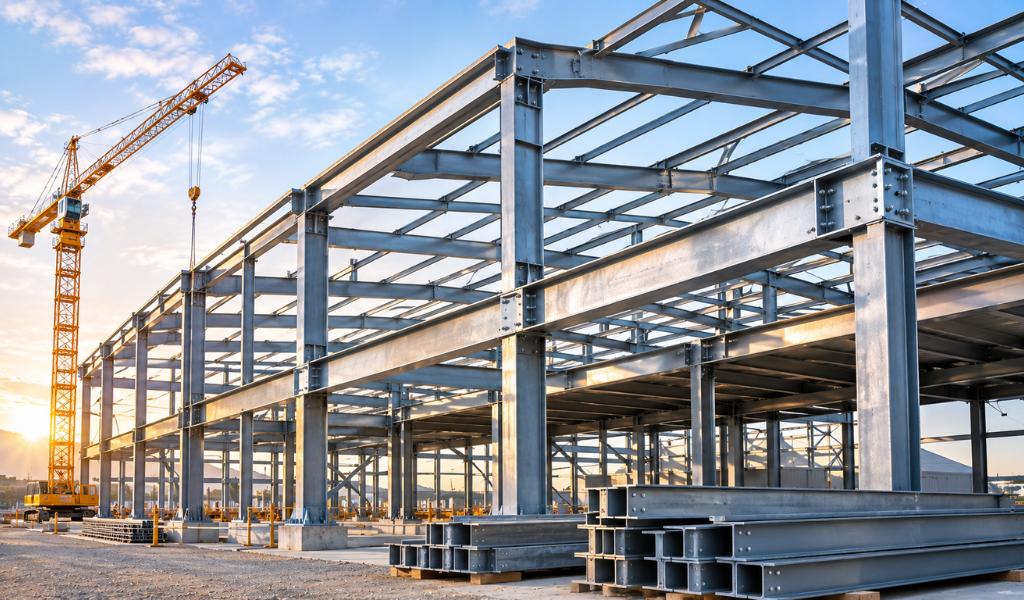
Structural steel sections
-
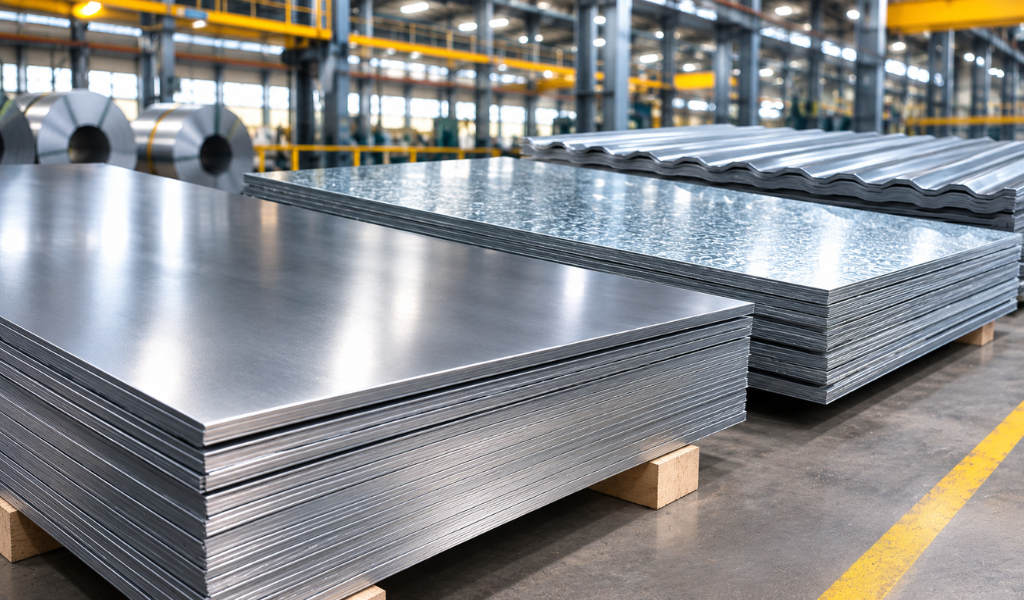
Steel sheets and plates
-
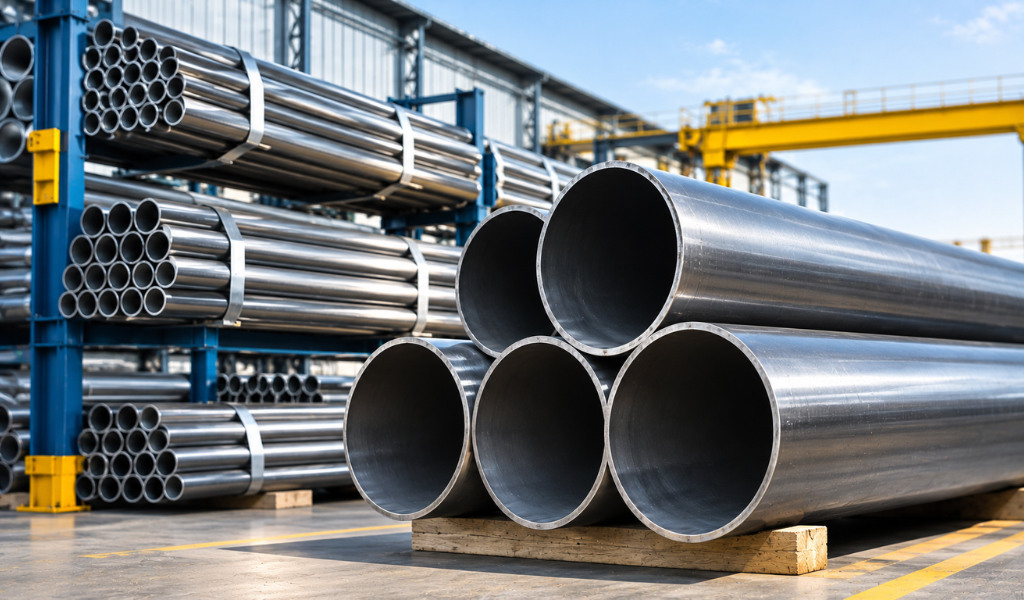
Hollow steel tubes
-
Steel pipes
-
Fabricated steel products
-
Other project-specific structural materials
Access to suitable structural steel components helps contractors and project managers select materials according to design specifications.
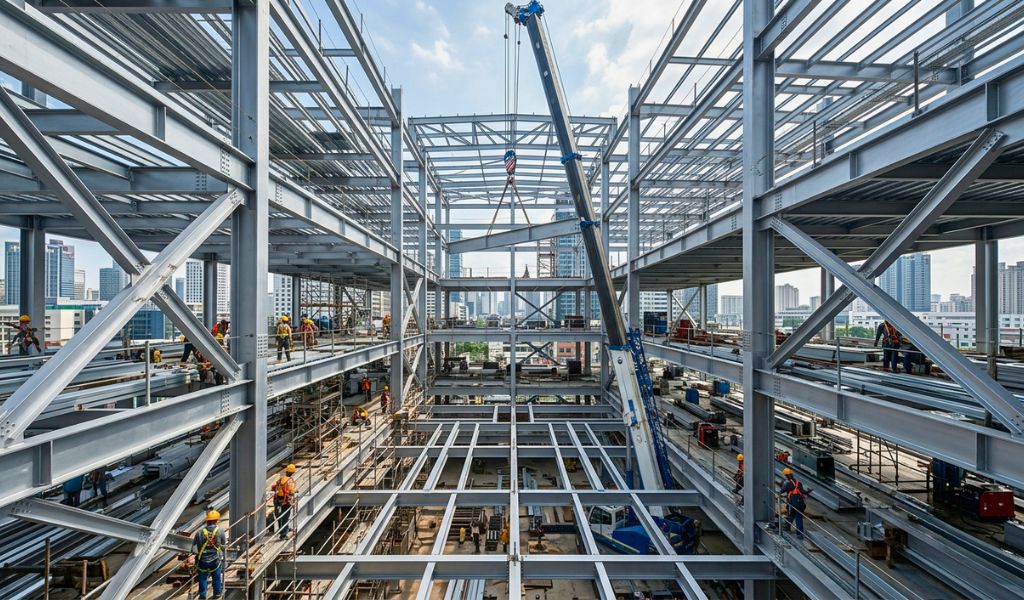
Understand Manufacturing and Supply Capabilities
A supplier's manufacturing and distribution capabilities can influence the overall progress of your project.
Before placing an order, understand its production capacity, inventory availability, and ability to fulfil large or customised requirements.
Consider These Important Factors
-
Production capacity: Can the supplier handle your required order volume?
-
Product availability: Are commonly required materials readily available?
-
Delivery schedules: Can materials reach the site within the agreed timeframe?
-
Customisation: Can the supplier provide products in the required dimensions and specifications?
-
Technical assistance: Is support available when selecting materials?
These considerations are particularly important for large-scale projects involving multiple construction phases.
Consider Local Market Knowledge in Saudi Arabia
Selecting a supplier familiar with local industry requirements can make procurement more efficient. Companies involved in steel construction in Saudi Arabia should understand the region's climate, project demands, and applicable technical requirements.
Saudi Arabia's high temperatures and environmental conditions make material selection especially important. Steel products should be suitable for their intended applications, with appropriate protection against corrosion where required.
A supplier familiar with local construction practices can also help businesses coordinate material specifications, availability, and delivery requirements.
Also read: Why Are Steel Constructions Used for Renewable Energy and Industrial Projects?
Compare Pricing, Delivery and Customer Support
Price is important, but selecting the cheapest supplier does not always provide the best value. Low-cost materials that fail to meet project specifications can create additional expenses through replacements, delays, and maintenance.
Compare suppliers using several practical criteria:
|
Evaluation Factor |
What to Check |
Why It Matters |
|
Product quality |
Material grades and certifications |
Supports structural reliability |
|
Pricing |
Quotations and additional charges |
Helps control procurement costs |
|
Delivery |
Lead times and transport arrangements |
Reduces project delays |
|
Product range |
Availability of different steel products |
Simplifies procurement |
|
Technical support |
Product guidance and documentation |
Helps with material selection |
|
Experience |
Previous industrial and construction projects |
Demonstrates industry knowledge |
Request detailed quotations from shortlisted suppliers and compare the overall value rather than focusing only on the initial price.
Check the Supplier's Reputation and Reliability
A supplier’s reputation can offer some useful insight into its business practices and quality of service.
Look at previous projects, ask for references where possible, and look up feedback from clients. You should also judge how transparent the company is at communicating on product specs, pricing, and delivery commitments.
For example, Mitwalli Steel Products Factory Co offers a range of steel products for different industrial and construction requirements. Reviewing a supplier's product portfolio can help you understand whether its offerings match your project needs.
Conclusion
Choosing the right supplier is essential for achieving dependable and cost-effective steel constructions. Before making a decision, companies should look at product quality, experience in the field, manufacturing capacity, delivery reliability, and technical support.
The right product range and knowledge of local project needs in a supplier can make procurement easier and help long-term structural performance. Make sure that you take the time to compare your options and see how well they match up to your project specifications.
If you are planning to execute a construction or industrial project, then take a look at the steel product range offered by Mitwalli Steel Products Factory Co to recognise the materials that may be appropriate for your needs.
FAQs on Steel Construction
1. How do I choose the best steel construction supplier in Saudi Arabia?
Compare suppliers based on product quality, industry experience, manufacturing capacity, pricing, delivery reliability, and technical support. Always verify that their products meet your project specifications.
2. What should I check before purchasing structural steel components?
Check the steel grade, dimensions, material certifications, quality inspection records, and suitability for the intended application.
3. What are the benefits of using reliable steel construction solutions?
Reliable solutions help improve structural performance, simplify procurement, reduce material-related risks, and support better project planning.
4. Which steel products are commonly used in industrial construction?
Common products include structural sections, steel sheets, plates, hollow tubes, pipes, and fabricated steel components. The appropriate selection depends on the building design and application.