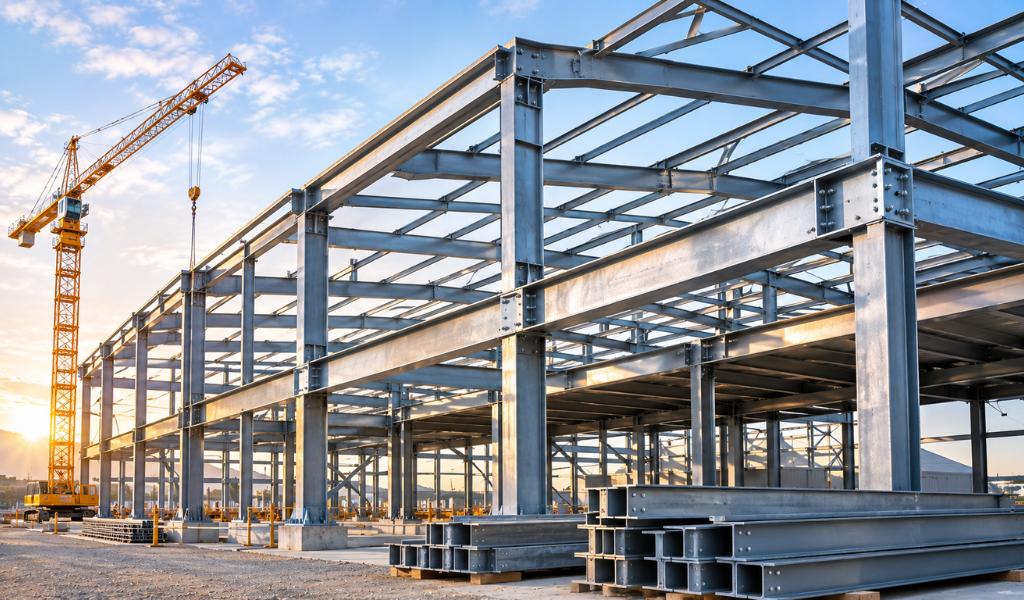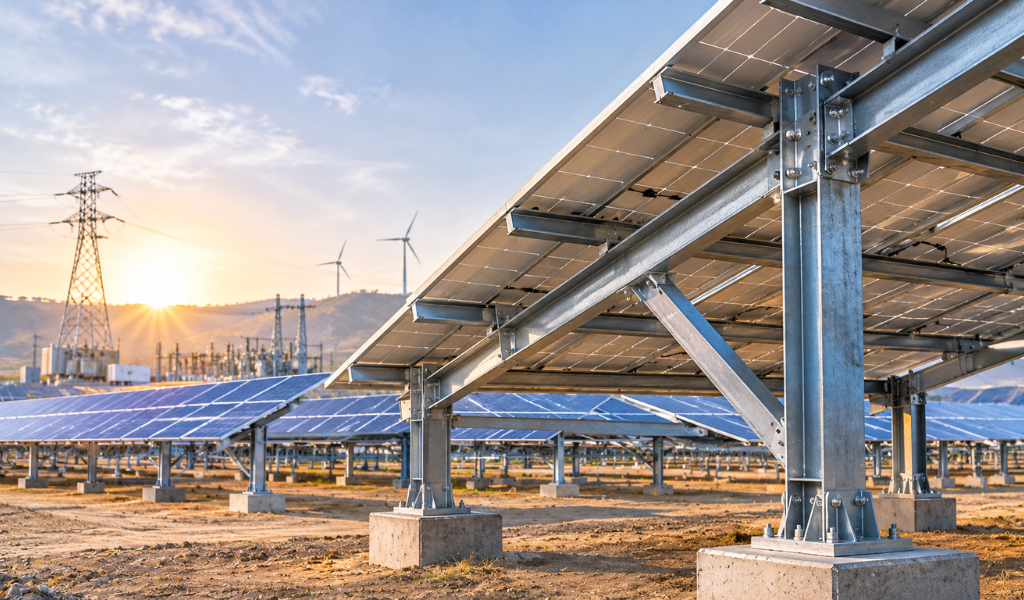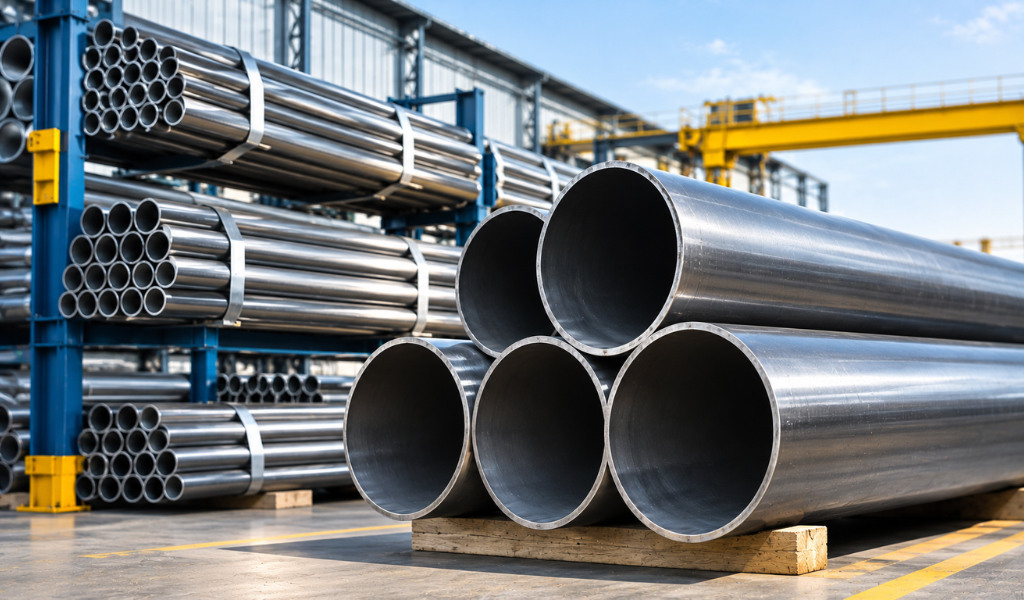
Steel is a major part of the Middle East’s industrial development, underpinning projects in construction, infrastructure, oil and gas, transportation, and manufacturing. With countries such as Saudi Arabia continuing to invest in major industrial development, the demand for durable, high-quality steel products is on the rise.
But how is steel manufactured, processed, and prepared for different applications? Finished products with particular strength, size, and performance requirements are produced from raw materials using a variety of steelmaking processes.
Knowing these processes helps businesses choose the right steel products and make informed decisions when sourcing materials for industrial and construction projects.
Quick Summary
-
Steel manufacturing involves transforming raw materials into usable steel products.
-
Common production methods include the blast furnace, electric arc furnace, and direct reduced iron processes.
-
Rolling, cutting, welding, and forming help prepare steel for different applications.
-
Industrial steel manufacturing supports Saudi Arabia's construction, infrastructure, and energy sectors.
-
Choosing a reliable steel manufacturer helps ensure product quality, consistency, and project efficiency.
What Are the Main Steel Manufacturing Processes?
The making of steel involves several stages, from the processing of raw materials to the shaping of the final product. The selection of the method depends on the steel grade, output, and use required.
Here are some commonly used steel manufacturing processes in the Middle East.
1. Blast Furnace and Basic Oxygen Furnace (BF-BOF)
The blast furnace process is a traditional method of producing steel from iron ore.
Molten iron is created by heating iron ore, coke, and limestone in a blast furnace. This iron is then sent to a basic oxygen furnace where oxygen is blown in to remove excess carbon and other impurities.
Common applications:
-
Large-scale steel production
-
Construction and infrastructure materials
-
Structural steel products
-
Industrial manufacturing
This method is particularly suitable for high-volume steel production.
2. Electric Arc Furnace (EAF)
The Electric Arc Furnace process uses electrical energy to melt steel scrap or direct reduced iron. Electrodes generate intense heat, allowing the materials to melt and undergo refining.
EAF technology offers flexibility in production and supports steel recycling by reusing scrap materials.
Key advantages:
-
Recycles existing steel products.
-
Offers flexibility in production volumes.
-
Can reduce dependence on iron ore.
-
Supports more efficient resource utilisation.
It is an important option for industrial steel manufacturing, particularly where scrap availability and electricity costs support its use.
3. Direct Reduced Iron (DRI)
Direct Reduced Iron production converts iron ore into metallic iron using reducing gases, commonly natural gas or hydrogen.
Unlike traditional blast furnaces, this process does not require melting the iron ore. The resulting sponge iron can be used as a feedstock in electric arc furnaces.
DRI is relevant to the Middle East because natural gas availability has supported its development in several regional steel-producing countries.
4. Continuous Casting
After molten steel is refined, it needs to be converted into solid shapes for further processing.
Continuous casting involves pouring molten steel into a water-cooled mould, where it gradually solidifies into semi-finished products such as slabs, billets, and blooms.
These products are subsequently used in rolling and other manufacturing operations.
Benefits include:
-
Consistent product dimensions.
-
Improved production efficiency.
-
Reduced material wastage.
-
Reliable quality for further processing.
What Processes Are Used to Shape and Fabricate Steel?
Steel production does not end once molten metal becomes solid. Additional processing is necessary to create products suitable for specific industrial applications.
Hot Rolling and Cold Rolling
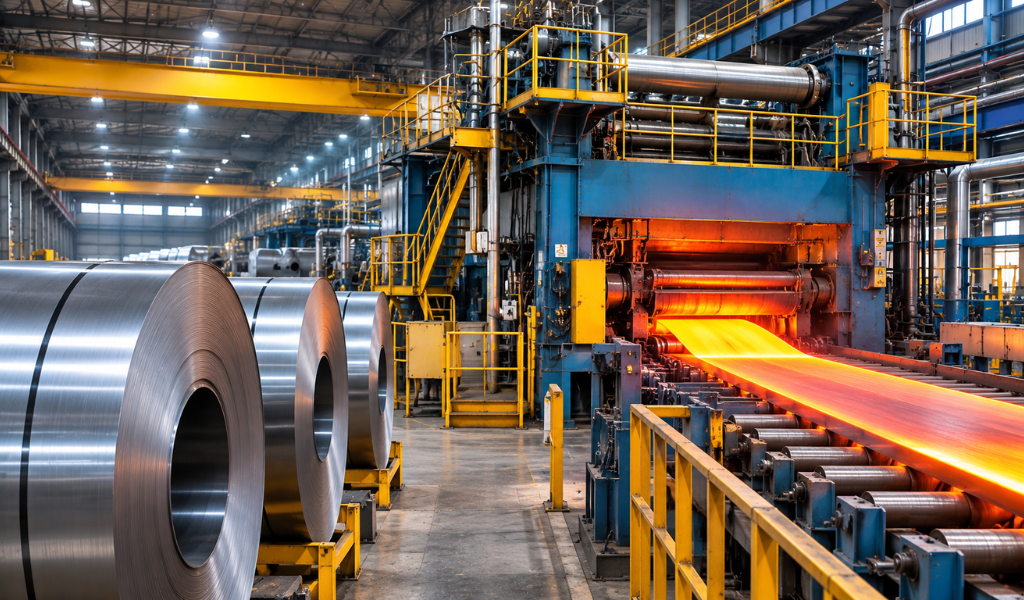
Rolling processes change the thickness, shape, and dimensions of steel.
-
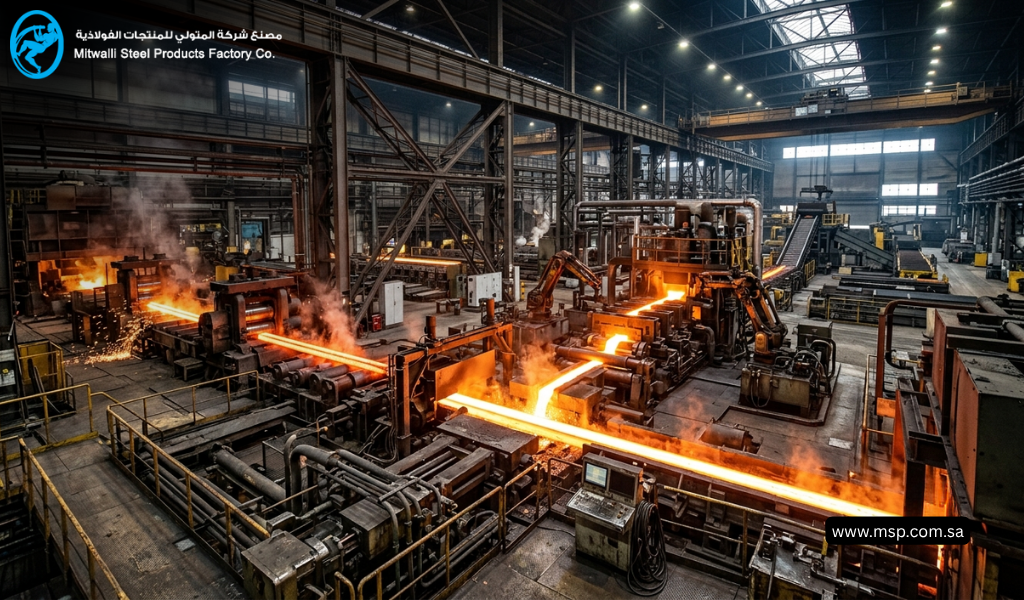
Hot rolling: Steel is heated above its recrystallisation temperature and passed through rollers to produce sheets, plates, sections, and other products.
-
Cold rolling: Steel is processed at or near room temperature to achieve improved dimensional accuracy, a smoother surface finish, and tighter tolerances.
Both methods are widely used in steel production, depending on the required product specifications.
Steel Cutting, Welding, and Forming
Steel fabrication and manufacturing involve transforming processed steel into components and structures.
Common fabrication operations include:
-
Cutting: Uses mechanical tools, plasma, or laser technology to achieve required dimensions.
-
Welding: Joins steel components to create strong connections.
-
Bending and forming: Changes the shape of steel without compromising its intended structural function.
-
Drilling and machining: Creates holes and precise features for assembly.
These operations are particularly important for producing customised industrial components, structural frameworks, and heavy-duty steel products.
Which Steel Manufacturing Process Is Suitable for Different Applications?
The right process depends on the product's intended use, technical specifications, and production requirements.
|
Manufacturing Process |
Main Purpose |
Common Applications |
|
Blast Furnace and BOF |
Producing steel from iron ore |
Large-scale steel production |
|
Electric Arc Furnace |
Melting scrap and DRI |
Recycled and industrial steel |
|
Direct Reduced Iron |
Producing metallic iron |
Steelmaking feedstock |
|
Continuous Casting |
Creating semi-finished steel shapes |
Billets, slabs, and blooms |
|
Hot Rolling |
Shaping steel at high temperatures |
Plates, sheets, and sections |
|
Cold Rolling |
Improving surface finish and accuracy |
Precision steel sheets |
|
Steel Fabrication |
Creating finished components |
Buildings, machinery, and industrial structures |
How Is Steel Production in Saudi Arabia Supporting Industrial Growth?
Steel production in Saudi Arabia is a major contributor to the country’s infrastructure and industrial development. Increased investment in construction, energy, transportation, and manufacturing is fuelling demand for reliable steel materials.
Modern production technologies allow manufacturers to meet various requirements: strength, durability, dimensional accuracy, and uniformity of product quality.
Steel products for various business and project requirements are available from companies such as Mitwalli Steel Products Factory Co, which helps in the industrial supply chain.
Choosing a manufacturer with adequate production capabilities, reliable quality control, and an understanding of project specifications can make a big difference for buyers.
Also read: How Steel Manufacturing Supports Saudi Arabia’s Giga-Projects and Vision 2030?
How to Choose the Right Steel Manufacturing Partner?
Before selecting a supplier or manufacturer, businesses should consider:
-
Product range: Check whether the manufacturer offers the steel products required for your project.
-
Quality standards: Review material specifications, testing procedures, and quality certifications.
-
Production capabilities: Understand the manufacturing technologies and equipment available.
-
Customisation: Confirm whether the supplier can meet specific dimensions and technical requirements.
-
Delivery reliability: Consider production capacity, lead times, and logistics support.
A reliable manufacturing partner can help reduce material inconsistencies, avoid unnecessary delays, and support smoother project execution.
Conclusion
Steel manufacturing involves several interconnected processes, from ironmaking and refining to casting, rolling, and fabrication. Each method has a different purpose in producing steel materials for construction, infrastructure, energy, and industrial applications.
With the continued industrial development of the Middle East, knowledge of these steel manufacturing processes can help companies make better sourcing decisions. A key step to successful project delivery is working with a manufacturer with experience in the product specifications and quality requirements.
Looking for reliable steel products for your next project? Discover the products and manufacturing capabilities of Mitwalli Steel Products Factory Co to find the right fit for your industrial needs.
FAQs on Steel Manufacturing
1. What are the most common steel manufacturing processes?
Common processes include blast furnace steelmaking, electric arc furnace production, direct reduced iron, continuous casting, hot rolling, and cold rolling.
2. Which steel manufacturing process is commonly used in Saudi Arabia?
Both the direct reduced iron and electric arc furnace routes are important in Saudi Arabia, alongside other steelmaking technologies. The appropriate method depends on the manufacturer, raw materials, and production requirements.
3. What is the difference between steel manufacturing and steel fabrication?
Steel manufacturing involves producing and processing steel from raw materials or recycled inputs. Steel fabrication involves cutting, welding, bending, and assembling steel into finished components or structures.
4. Why is electric arc furnace steelmaking important?
Electric arc furnace technology can melt recycled steel scrap and direct reduced iron. It offers production flexibility and supports the reuse of existing steel materials.