The Versatility of Steel Tubes: Applications and Benefits Across Industries
In the modern industrial and construction industry, steel tubes have emerged as one of the most indispensable materials. Steel tubes provide strength, versatility, and durability and have applications ranging from massive infrastructure projects to precision manufacturing. In fact, the resilience of special purpose vehicles to cope with heavy loads, harsh temperatures and extreme environments has made them a popular preference across a wide spectrum of different sectors, particularly in Saudi Arabia where durability and performance are core requirements.
This article will discuss the versatile nature of steel tubes, their various applications, advantages, and why the demand for steel tubes in Saudi Arabia continues to see growth across industrial segments.
Understanding Steel Tubes and Their Growing Importance
Steel tubes are hollow structural steel shapes, primarily made for transporting fluids, or in general for mechanical structural support Hollow steel tubes have a high strength-to-weight ratio, making them efficient and cost-effective compared to solid bars.
Steel tubes have established itself as the go-to solution as industries tend to focus on quicker construction, safer infrastructure, and eco-friendly materials. Their ability to adapt enable engineers and designers to satisfy the demands of modern projects without sacrificing performance.
Steel Tubes in the Saudi Arabia Steel Tubes Market
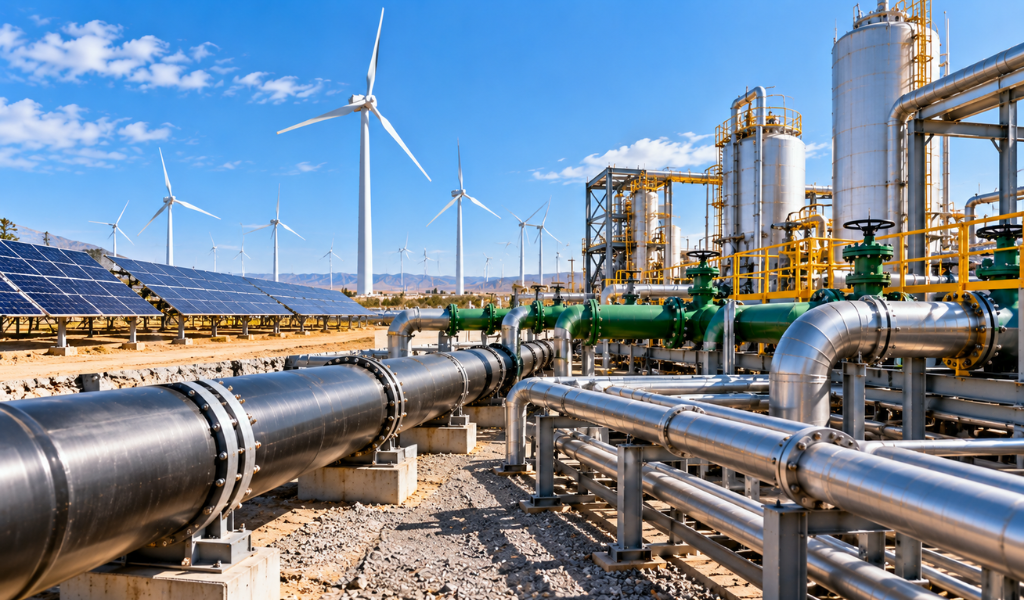
The growth of Saudi Arabia steel tubes market is steady as it is enhanced by continuous investments in infrastructure, development of industrial sectors, energy projects and urban development. Steel tubes are at the heart of Saudi Arabia’s industrial destiny, from airports and bridges to oil refineries and logistics hubs.
Within the country and throughout the region, suppliers of steel tubes service a variety of needs, providing for a number of sizes, grades and finishes in accordance with nationally, internationally and project-specific specifications. This easy access minimise the lead times and secure a regular supply for bigger developments.
Types of Steel Tubes Used Across Industries
Identifying the kind of economical tubes that readily provide solution for individual applications. Common types include:
1. Structural Steel Tubes
Widely used in structures, warehouses, and bridges, these tubes offer impressive load-bearing and stability performance. Infrastructure structural steel tubes are typically square or rectangular and are used in columns, beams, and frames.
2. Hollow Steel Tubes
Hollow steel tubes are extensively used where reduction of weight is critical without being less strong. They are used in buildings, car frames, and other machines.
3. Circular Steel Tubes
The tubes are used for transporting fluids, building pipelines, handrails and mechanical parts. They have uniform shape which ensure the even distribution of stress.
4. Precision Steel Tubes
Precision tubes are known for their very tight tolerances and smooth finishes which is why they are used in manufacturing, engineering and even equipment production.
Each type has its own function, enabling industries to achieve better performance and maintain cost-effectiveness.
Applications of Steel Tubes Across Key Industries
Construction and Infrastructure
Steel tubes are the backbone of contemporary structural systems in construction. They are widely used in:
- Building frames and columns
- Roof trusses and supports
- Bridges and flyovers
- Industrial sheds and warehouses
This is why, especially in low- and high-rise projects, infrastructure structural steel tubes provide outstanding resistance against bending, compression and seismic loads.

Oil, Gas, and Energy Sector
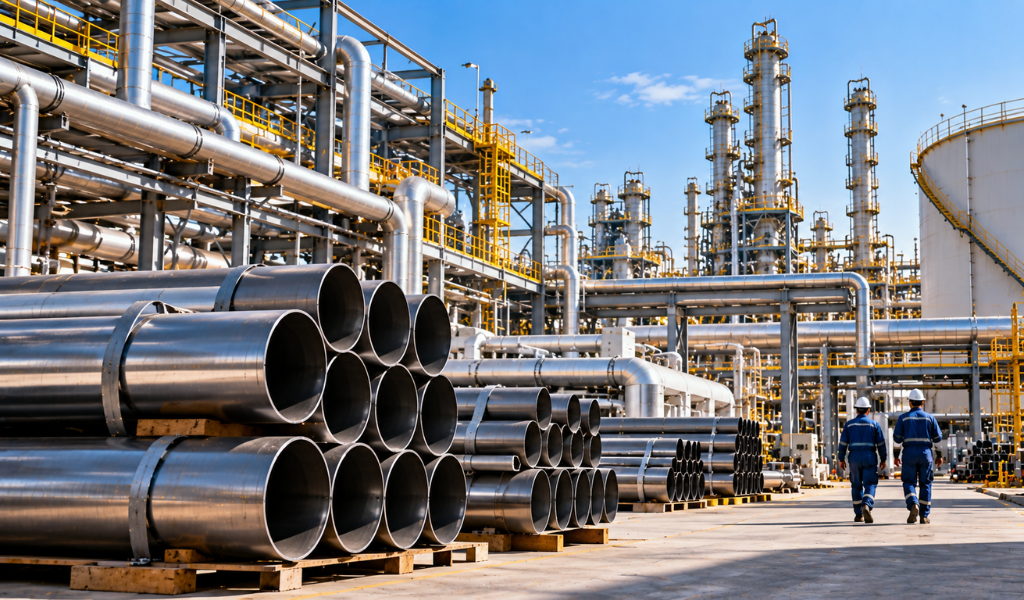
In the oil and gas sector, valid steel tubes are crucial to transfer fluids, support systems, and to build processing centres. They are ideal for upstream and downstream operations due to their ability to withstand pressure and harsh environments.
Steel Tubes suppliers provide constant quality level as well as conformity to the standards within the scope of the energy projects, which is a critical point for safety and performance.
Manufacturing and Industrial Equipment
Steel tubes are also used in the frames of machinery, conveyor systems, storage racks and other equipment enclosures, which are also used by manufacturers. Simplicity of HoloLens design with an open core design that simplifies avionic, fluid, and mechanical integration.
Steel tube design keeps overall equipment weight to a minimum, and the strength of steel ensures that the structure is both light and strong, giving you more efficient and reliable equipment.
Transportation and Logistics
Steel Tubes — Most transportation is done via vehicular transportation through frames and containers that are made of steel tubes. They can bear dynamic loads, as well as vibrations and long-term use, thanks to their strength and flexibility.
Steel tubes are widely application used in logistics facilities, such as racking systems, load platform and automated handling equipment.
Agricultural and Utility Applications
Steel tubes are also used for fencing, irrigation, greenhouses, and utility structures. They are well-built which making sure long-life time including in event of outdoor and corrosive condition.
Key Benefits of Using Steel Tubes
High Strength with Lower Weight
Its hollow design is strong yet minimizes the use of material and overall weight.
Design Flexibility
Steel tubes are available in different volumes and shapes, allowing for design creativity and efficiency.
Durability and Longevity
Steel tubes can be effectively treated to resist against corrosion, impact and environmental stress and hence can work over the years.
Cost Efficiency
Steel tubes offer a construction of costs effective solution due to its less material cost, easy and faster installation, and low maintenance cost.
Sustainability
Unlike other materials, steel is a recyclable material, making steel tubes environmentally friendly products for modern projects.
Choosing the Right Steel Tubes Suppliers
If you want some information, we recommend steel tubes suppliers who never let you down of project. Key factors to consider include:
- Product range and customization options
- Compliance with international standards
- Consistent quality and testing procedures
- Local availability and timely delivery
The skilled suppliers will make sure that the distance tubes are compliant with the performance, safety, and durability requirements.
Role of Steel Tubes in Sustainable Construction
Across industries, sustainability is climbing up the priority list. Steel tubes assist in sustainable construction via:
- Reduced material waste
- Recyclability
- Energy-efficient manufacturing processes
- Longer service life
Their utilization is in line with contemporary green building practices and infrastructure oriented for the long-term.
Future Outlook for Steel Tubes Across Industries
The proliferation in the demand across the sectors such as smart cities, industrial automation, resilient infrastructure – all positive signals for the steel tubes. Now, the performance and range of applications are further improved by these advances in manufacturing technology and material treatment.
Investment in civil and industrial projects are driving the Saudi Arabia steel tubes market with stable growth and innovation
Conclusion
The versatility, strength, and adaptability of Steel Tubes make them indispensable across construction, energy, manufacturing, and infrastructure sectors. Whether used as hollow steel tubes for lightweight structures or infrastructure structural steel tubes for heavy-duty applications, they deliver consistent performance and long-term value.
By choosing the right types of steel tubes and working with trusted suppliers, businesses can ensure efficiency, safety, and durability in every project. As industries evolve, steel tubes will remain a foundational material shaping modern development.
FAQs on Steel Tubes
1. What are steel tubes commonly used for?
Steel tubes are used in construction, infrastructure, manufacturing, oil and gas, transportation, and utility projects due to their strength and versatility.
2. What is the difference between hollow steel tubes and solid bars?
Hollow steel tubes offer similar strength with less weight, making them more cost-efficient and easier to install than solid steel bars.
3. Which industries drive demand in the Saudi Arabia steel tubes market?
Construction, infrastructure, energy, manufacturing, and logistics are the primary drivers of steel tube demand in Saudi Arabia.
4. How do I choose the right type of steel tube for my project?
Selection depends on load requirements, environmental conditions, design needs, and application type. Consulting experienced steel tubes suppliers helps ensure the right choice.
5. Are steel tubes suitable for long-term outdoor use?
Yes, with proper coatings and treatments, steel tubes offer excellent durability and corrosion resistance for outdoor and harsh environments.