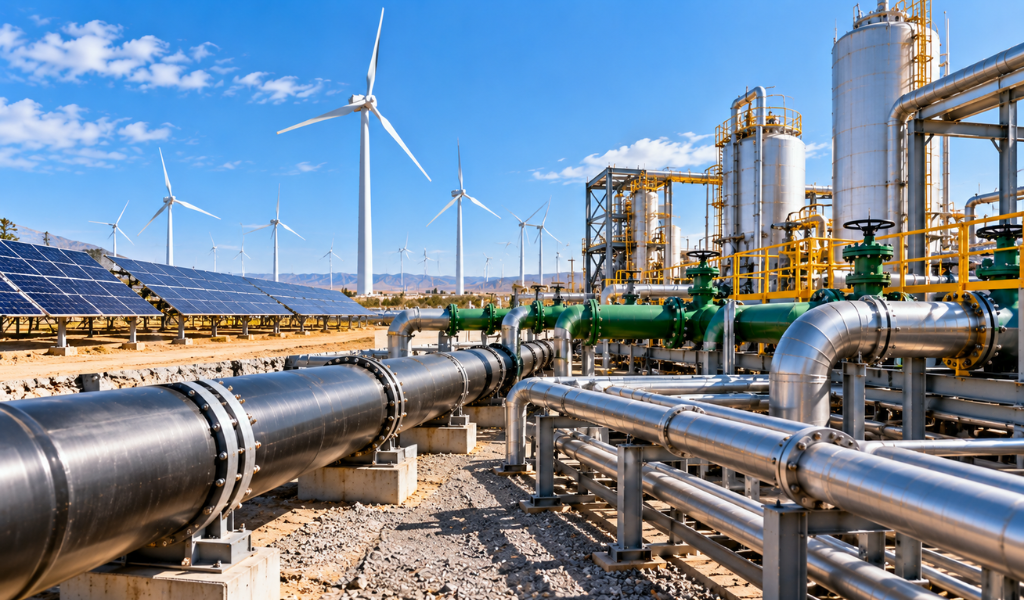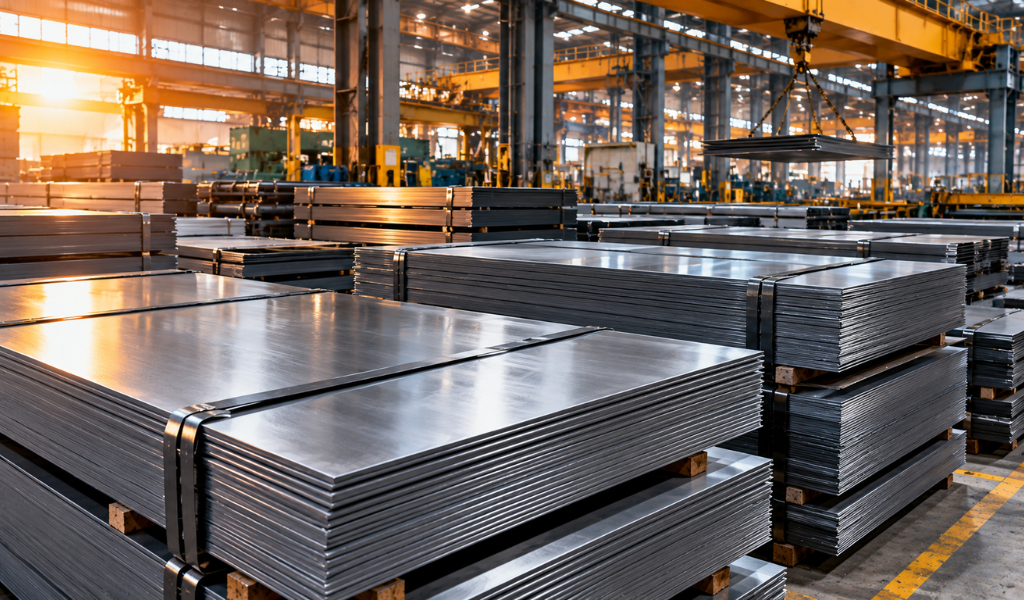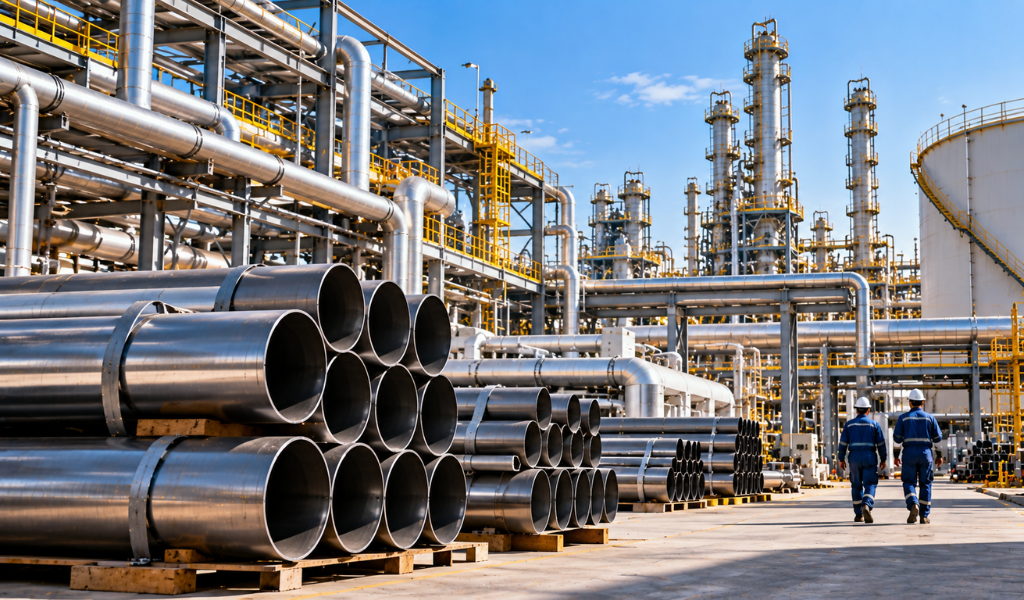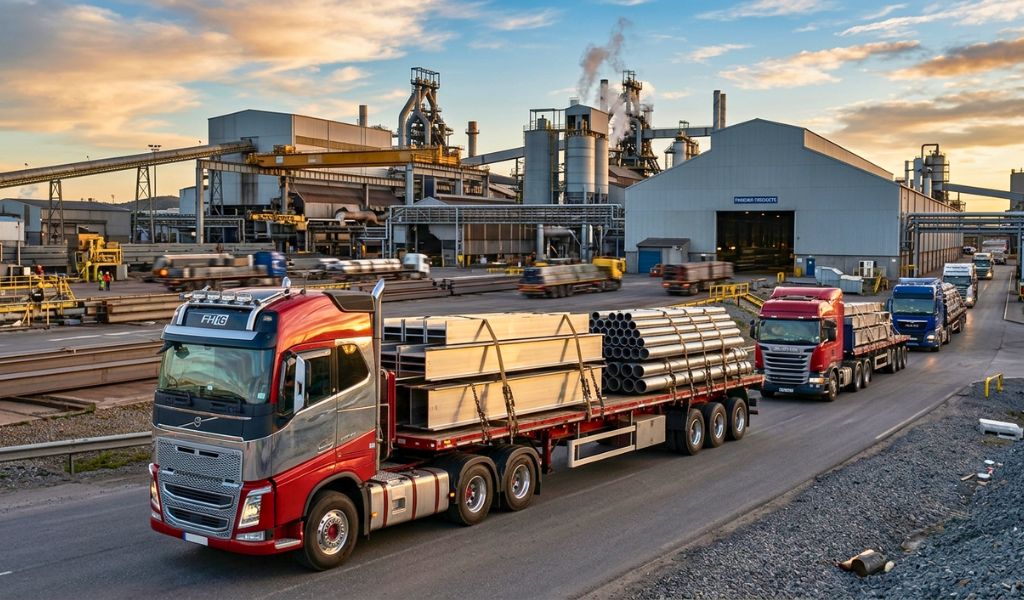
Steel trucks play an important role in construction, manufacturing, infrastructure, and other demanding industries where loads can be heavy and working conditions can be tough. Their robust construction helps them handle demanding transport tasks while providing the strength needed for regular use on challenging sites.
Be it hauling aggregates and machinery or moving fabricated steel and construction materials, the right work truck can increase productivity and reduce unnecessary downtime. Being aware of the balance of steel construction impact on load characteristics, longevity, and servicing costs allows for finding the appropriate solution for every application.
Quick Summary
-
Steel structures provide strength and other practical working conditions.
-
Trucks with steel bodies can provide a nice trade-off between durability and payload.
-
The truck's performance is directly related to the material grade and the structural design.
-
Heavy-duty applications demand a compromise between payload, service life, and consumption.
-
The best steel trucks for construction should match the load, terrain, and operating environment.
What Makes Steel Trucks Suitable for Demanding Industrial Transport?
Industry data over the years have proven that heavy-duty transport vehicles are subjected to impact, vibration, abrasion, and repeated loading. Steel provides the structural load-bearing capacity needed to deal with those stresses, making it a practical solution for demanding transport applications.
Heavy-duty steel trucks are ideal for locations where vehicles frequently transport heavy and light materials or for construction and industrial sites. A sturdy steel body itself can also offer some protection from wear and damage, in addition to all the other mechanical stuff.
For enterprises that are working with readers who will handle such high volumes of material, this type of endurance can equate to more dependable operations along with, potentially, extended service intervals.
How Does Steel Construction Affect Truck Performance?
Truck performance is affected in a number of ways by the steel out of which they are built. The chassis and body are strong enough to handle heavy loads and move without any serious change to the structure.
But strength should not be regarded in a vacuum. Heavier construction may increase the tare weight of the vehicle, which may be unhelpful for fuel consumption and payload capacity. So, the right design is application-specific.
Then, a specific vehicle, such as one hauling large and heavy equipment, may need all of the structural sturdiness it can take in its design, or an industrial delivery vehicle could likely use a lighter configuration that is able to crank up useful payload.
Which Steel Properties Matter Most for Heavy-Duty Applications?
Several steel characteristics can influence performance:
Strength and Toughness
What high-strength steel provides components is the ability to bear high static weight and repeated stress, and toughness enables them to withstand shock loads.
Wear and Corrosion Resistance
Construction environments expose vehicles to harsh conditions, moisture, and abrasive materials. The right type of steel, together with protective treatments, may help increase lifespan.
Fabrication Quality
Even the best steel requires accurate fabrication. For it to work reliably, proper welding, forming, and structural design is required.
How Can Businesses Balance Payload, Durability, and Operating Costs?
The lowest price is not always the most cost-effective over the life cycle of the truck. Purchasing cost should be viewed in conjunction with payload capacity, fuel consumption, maintenance requirements, and expected service life.
A vehicle that is less prone to breakdowns will require a higher initial investment, but it will provide better value overall because it will save money on repairs and downtime. Additionally, carrying too much weight can inflate operational costs.
Mitwalli Steel Products Factory Co knows better than anyone that engineered steel products are critical to even the most industrial-grade applications, where material quality and fabrication performance are both front of mind.
Where Are Steel Trucks Most Valuable Across Industrial Projects?
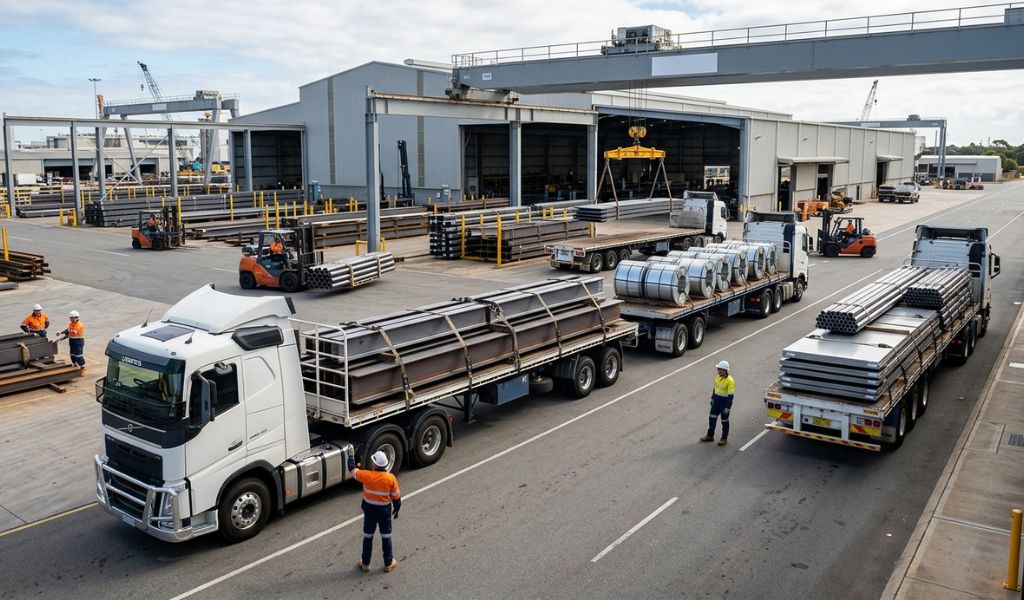
Steel trucks are heavily employed in transporting aggregates, equipment, structural components, and other construction materials. They can also back industrial buildings, infrastructure, solar systems, mining, and big logistics.
Industrial transport trucks must be able to endure constant loading and unloading in these environments without sacrificing the level of reliability.
The right configuration depends on the material being transported, distance travelled, site conditions, and frequency of operation.
Practical Information Table
|
Requirement |
Recommended Focus |
Why It Matters |
|
Heavy construction materials |
Reinforced steel body |
Handles demanding loads and impacts |
|
Frequent site operations |
Durable steel construction |
Supports repeated use |
|
Abrasive materials |
Wear-resistant steel |
Helps reduce material degradation |
|
Long-distance transport |
Weight-efficient design |
Supports better operating efficiency |
|
Harsh environments |
Corrosion protection |
Helps extend service life |
|
Mixed industrial duties |
Versatile body configuration |
Improves operational flexibility |
Also read:- How to Choose the Right Steel Trucks for Construction and Industrial Projects?
What should I consider when choosing a heavy-duty transport truck?
Begin with the standard payload, not what you may haul on occasion. Know the truck's gross vehicle weight rating, the design of the body, the strength of the chassis, the surface, and determine how you will load the truck and how often you'll be using it.
You should also consider maintenance access and spare parts availability as well. An impractical truck can contribute to downtime that can be easily avoided.
It is a good idea to discuss material specifications and fabrication needs with a knowledgeable supplier who can help ensure that the vehicle is designed to operate in its working environment for specialized requirements. When durable steel solutions are important for a challenging industrial application, Mitwalli Steel Products Factory Co can be a good choice for you.
Conclusion
The ideal steel truck for high-demand construction duties is one that strikes the right balance between these key features: structural integrity, an optimum payload capacity, and the ability to log many workdays at a low cost. While steel body trucks can deliver the durability needed on rough sites, material grade, fabrication, and configuration are still important.
Knowledge of these factors can help businesses gain a competitive edge in long-haul transportation, with long-term results and value to be gained - if you wish to execute operations with high demand planned. Due to their commitment and expertise in steel, they offer the steel needed to ensure industrial safety.
FAQs on Steel Trucks
1. What are steel trucks used for?
Steel trucks are used to transport heavy materials, equipment, and industrial goods in construction, infrastructure, manufacturing, and other demanding environments.
2. Are steel-body trucks suitable for construction sites?
Yes. Steel body trucks can be well suited to construction because steel provides strength and resistance to impacts, vibration, and repeated loading.
3. What makes a truck heavy-duty?
A heavy-duty truck typically combines a robust chassis, strong body construction, suitable payload capacity, and components designed for demanding operating conditions.
4. How do I choose a steel truck for construction?
Consider the expected payload, terrain, material type, operating frequency, maintenance requirements, and the balance between vehicle weight and durability.