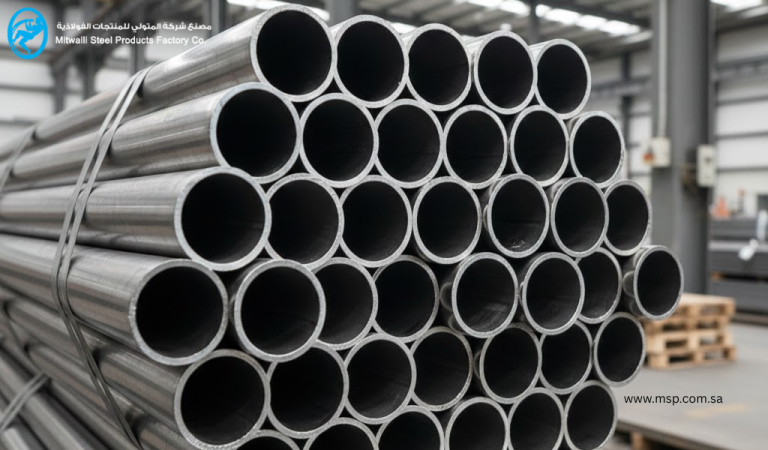
Understanding Steel Tubes: A Comprehensive Guide to Types and Uses
In modern construction, manufacturing, and engineering, steel tubes play a critical role due to their unmatched strength, versatility, and durability. Steel tubes support millions of applications; from buildings and bridges to car frames and industrial machinery. With an increasing need for that Grand infrastructure—this is especially true for the areas of the Saudi Arabia steel tubes market—businesses must be clear of the type of steel tubes, their application, and the selection of the right suppliers, and so and so forth.
This guide has discussed the types, manufacturing processes, applications and market insights to help make informed decisions and partner with the appropriate steel tubes suppliers or manufacturers.
What Are Steel Tubes and Why Do They Matter?
Steel tubes are cylindrical hollow long sections that can hold fluids, resist load, and support mechanical structures. They come in different shapes — round, square, and rectangular — based on application Steel tubes are the most common choice in the industry as they combine high strength with low weight; hence they replace rods or other heavier component made of solid steel.
Hollow steel tubes are especially valued in construction and industrial sectors and have a load-carrying capacity, are flexible, and are an economical building material. This hollow structure increases strength and reduces weight, allowing for lightweight structures suitable for large-scale engineering works.
Types of Steel Tubes: Choosing the Right One for Your Project
Types of Steel Tubes — If we are to get the most appropriate type of material for use, we must first be able to differentiate them. Each type has its advantages based on the application environment as well as load demands.
1. Structural Steel Tubes
These structural tubes are made for high tensile applications in which it is very much essential to ensure the tubes remain stable, withstand the load, and help to bear any external throwing. Increasing industrial infrastructure and commercial development in economically emerging markets such as Saudi Arabia steel tubes market, having structural tubes business development driven by high demand.
Common Uses:
- Building frameworks
- Industrial sheds
- Oil & gas structures
- Bridges and towers
Why They’re Important:
Structural tubes are preferred construction items with superior strength to weight ratios and long-lasting properties.
2. Hollow Steel Tubes
Hollow steel tubes are widely used in construction and fabrication because of their low weight and high bending strength.
Applications:
- Furniture manufacturing
- Railings and gates
- Automotive components
- Lightweight structures
Hollow profiles enable to use less material while offering high tensile strength, producing better economical and efficient output.
3. Mechanical Tubing
Mechanical steel tubing has specific elements used where it needs to be of a certain shape and with precise sizes. The tubes are cold-formed and usually smooth.
Used For:
- Machinery parts
- Shafts
- Cylinders
- Stamped components
Mechanical Tubing is the preciseness and look-based factor on which industries depend for performance accuracy.
4. Seamless Steel Tubes
Seamless tubes (source) are created adjacent to welding which means that they are available without welding and/or exposure to extra stress that creates an extremely strong section that can be used for high-pressure casing environments.
Common Uses:
- Oil and gas pipelines
- Boilers
- Hydraulic systems
Heat Exchanger Process- Seamless tubes play a very important role in industries such as aviation and aerospace industries, where safety and high performance are vital.
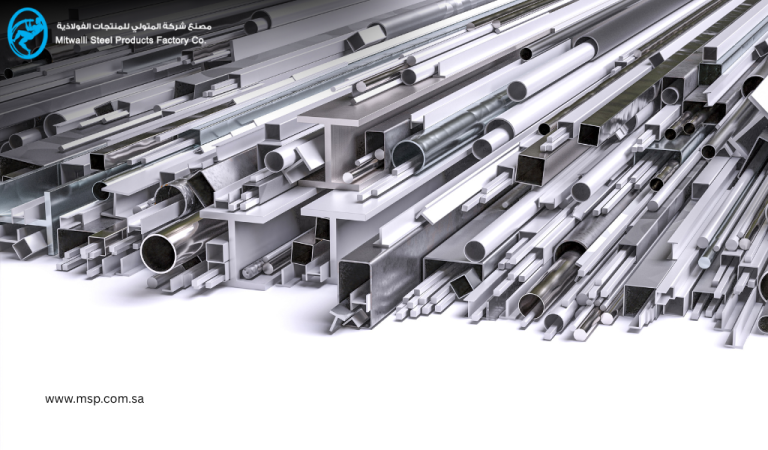
5. Welded Steel Tubes
Welded Tubes — the process of rolling of steel sheets and then welding the seam. These are less expensive than their seamless counterparts, but still quite durable.
Common Uses:
- Structural support
- Automotive components
- Heat exchangers
- General construction
Tubing is mass manufactured across the world by both large and small scale manufacturers, including tier 1 steel tubes manufacturers due to its low cost and versatility, making it suitable for a broad range of uses.
The Steel Tube Manufacturing Process: How Quality Is Ensured
Steel tubes are put through an extensive manufacturing process in order to guarantee durability and quality. Top players of the Saudi Arabia steel tubes market adhere to global norms of uniformity and functionality.
Main Stages Include:
- Selecting raw steel: Prime-quality steel coils or billets
- Forming: Rolling or extrusion machines create the shape of the tube.
- Welding or seamless formation: Depending on type
- Heat treatment: For improvement of toughness and stress relief
- Sizing and shaping: Getting the dimensions right
- Testing: Pressure tests, load tests and certification
This guarantees that top tier producers of structural steel tubes manufacture their tubes based on certain expectations of performance as measured by a jump of quality.
Top Applications of Steel Tubes in Modern Industries
The strength, durability and versatility of steel tubes makes them important from many sectors.
1. Construction and Infrastructure
Common applications of structural and hollow steel tubes include:
- Metro stations
- Stadiums
- Residential and commercial buildings
- Bridges and airport terminals
Their lightweight nature makes the installation process quicker and simpler.
2. Oil & Gas Industry
Pipelines and high-pressure systems require seamless tubes. There is a constant high driven demand for this in the Middle East, particularly Saudi Arabia where energy projects keep organisations within this sector quite busy.
3. Automotive and Transportation
Steel tubes are used for:
- Chassis design
- Exhaust systems
- Frames and support components
Tubing that is light but extremely sturdy aids in decreasing the whole mass of the plating, which in turn affects efficiency, assisting to make it much more efficient.
4. Industrial and Mechanical Applications
Steel tubes used in manufacturing units for the following:
- Conveyor systems
- Rollers and shafts
- Hydraulic equipment
- Fabrication units
It’s these qualities that cold-drawn tubing offers, that are relied on by these applications.
Also read: How to Choose the Right Steel Tubes Supplier in Saudi Arabia?
Saudi Arabia Steel Tubes Market: Growth and Opportunities
Vision 2030 is focusing on infrastructure, manufacturing development and industrial diversification has resulted in rapid growth of steel tubes market in Saudi Arabia. Key drivers include:
- New construction megaprojects
- Expansion in renewable energy projects
- Growth in automotive part manufacturing
- A rise in the funds allocated to the oil & gas industry
In order to achieve a more stable quality and shorten the delivery time, the companies within the Kingdom are using the local suppliers and manufacturers for the steel tubes. If you choose the right supplier, you can optimize your lead times for projects with more reliability.
How to Choose the Best Steel Tubes Supplier or Manufacturer?
If you seek reliable partners, these are the key preference criteria:
1. Experience and Market Reputation
Sure, leading suppliers of tube steel in structural form. casa de la cultura coatzintla trust firms which are internationally recognized because of their track record of delivering quality materials.
2. Quality Certifications
Search suppliers with known certifications such as ISO, SASO, or global engineering certification.
3. Customization Options
Depending on your projects, you may need certain shapes, certain thicknesses or coatings. Choose suppliers offering tailored solutions.
4. Delivery Reliability
In the pursuit of actually operating construction and industrial sites, getting products shipped on time is no trivial task. Choose reliable steel tubes suppliers that can keep the time no matter what.
5. Competitive Pricing
This should be reflected in the level of pricing for the services offered. Local suppliers that are trustworthy usually tend to give better prices but without affecting the performance of the services.
Why Steel Tubes Remain a Long-Term Investment?
Steel tubes are a wise investment in the long run due to their longevity, safety, and performance. Selecting quality hollow steel tubing materials, be it seamless tubing for high-pressure or lightweight structures, is necessary for lower maintenance costs and increased safety.
Steel tubes evolve along stronger alloys, easier coatings, and shapes as global industries transition toward better, greener, and more advanced high-performance materials. That is why they still remain the leading option across industries.
Conclusion
Steel Tubes have many significant applications in the construction, transportation, engineering and energy sector. Reason being, As demand in areas of market such as Saudi Arabia steel tubes market is surging, Selecting the appropriate sort and teaming up with a good quality steel tubes suppliers is the need to be seen here. Whether it is reinforced hollow steel tubes or structural tubing precision manufactured, firms depend on steel material like this to provide safe, strong, and durable performance.
By gaining knowledge of the types, uses, and selection criteria, you can make the right choices so that your project has quality, durability, and efficiency now and in the future.
FAQs on Steel Tubes
1. What are the main types of steel tubes?
Steel tubes come in structural, hollow, seamless, welded, and mechanical forms, each used for different industrial and construction applications.
2. Which industries use steel tubes the most?
Construction, automotive, oil and gas, and manufacturing are the biggest users due to the strength and versatility of steel tubes.
3. Are hollow steel tubes strong enough for heavy structures?
Yes. Hollow steel tubes offer excellent strength-to-weight ratios and are widely used in large structural frameworks.
4. How big is the Saudi Arabia steel tubes market?
The market is growing rapidly due to infrastructure projects, industrial expansion, and increased demand for structural and seamless tubes.
5. How do I choose the best steel tubes suppliers?
Look for reliable suppliers with certifications, consistent product quality, customization options, and on-time delivery.
Add New Comment
Sorry, Comments are closed!