How to Design and Implement a Sustainable Building System for Modern Needs?
Sustainability is no longer an option in construction—it is a necessity. From energy cost rises to environmental stewardship and compliance with regulations, projects today require more thoughtful execution. An effective building system is a cornerstone of minimizing consumption and pollution while enhancing efficacy, resiliency, and lifetime value.
Learning what a building system is and how to do it sustainably aids developers, architects and contractors in constructing buildings for today that do not cost the earth to achieve for future generations. Here is how sustainable steel building systems along with sustainable building systems are designed, implemented, and optimized for utilization in a modern day construction project.
What Is a Building System and Why Does It Matter?
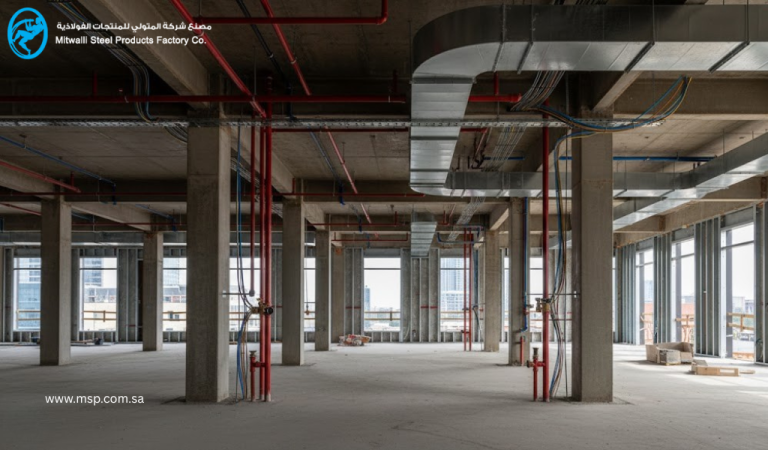
A building system is an integrated assembly of structural, mechanical, electrical, and architectural systems that together comprise the working unit of a building system. We should adopt a building system approach – namely design elements need to be considered within the context of all building elements and the entire surrounding infrastructure to ensure they properly coordinate with other building systems to maximize efficiency and performance over the long run.
Modern building system design focuses on:
- Structural efficiency
- Energy conservation
- Material optimization
- Faster construction timelines
Steel building systems are one of the best solutions available as they offer flexibility, durability and sustainability.
The Role of Sustainability in Modern Building Systems
Sustainability in Construction – Reducing waste, emissions, energy consumption, and increasing lifecycle value. It is a sustainable building system that takes the whole lifecycle of a building into account from the sourcing of materials to demolishing or reusing a building.
Key sustainability goals include:
- Reduced carbon footprint
- Efficient use of materials
- Energy-efficient operation
- Long service life with minimal maintenance
A well-designed steel building system meets all of these objectives without sacrificing structural integrity.
Why Steel Building Systems Are Ideal for Sustainable Construction?
1. Material Efficiency and Recyclability
Steel is among the most recyclable of any material anywhere in the world. Steel building systems comprise the greatest percentage of any high-performing recycled content and are 100% recyclable at the end of their use.
It makes a steel building system energy efficient while not compromising strength and durability.
2. Precision in Building System Design
Modern building is engineered to extremely high detail, combined with these advances of digital engineering, creates better buildings with a system design approach. Steel components can be manufactured to a high level of accuracy reducing on-site material wastage, errors and rework.
Precision design also improves:
- Structural safety
- Load efficiency
- Construction speed
3. Energy Performance and Thermal Efficiency
Together with insulated panels, reflective roofing, and intelligent ventilation, these help make steel building systems more energy-efficient. This is helpful in reducing cooling and heating demands against harsh climate conditions of the place where they are installed.
Key Steps to Designing a Sustainable Building System
Step 1: Define Project Requirements Clearly
Before starting, identify:
- Building purpose (industrial, commercial, residential)
- Climate conditions
- Budget constraints
- Sustainability targets
That clarity makes certain the building system is created to answer functional and environmental requirements from day one.
Step 2: Choose the Right Structural Framework
Choosing the core of the building in steel create flexible layout, long spans, and future expansion possibilities. Designed to suit modern day projects, a steel building system enables column free spaces and efficiently transmits load to other structural members.
This helps increase sustainability for the life of the building because it limits the requirement for structural alterations down the road.
Step 3: Optimize Building System Design with Technology
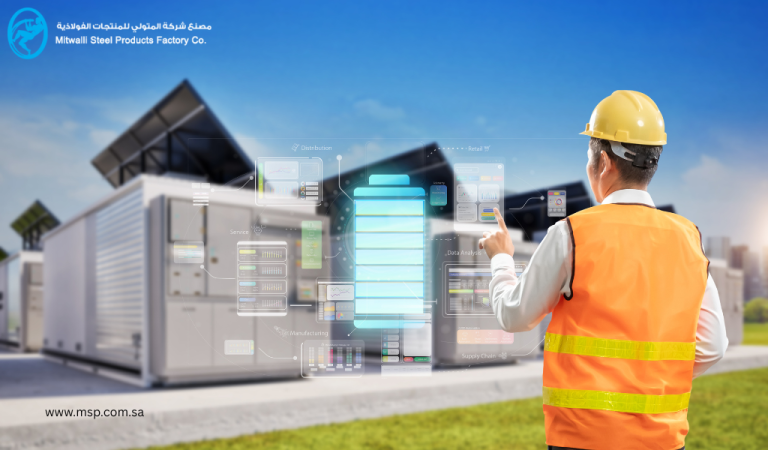
Engineers can now employ advanced software to evaluate energy consumption modeling, structural performance modeling, and material efficiency modeling. Digital tools assist in pre-construction specification of building system design.
Optimized design means:
- Lower material usage
- Reduced energy consumption
- Improved construction accuracy
Step 4: Integrate Energy-Efficient Components
A sustainable building system incorporates:
- High-performance insulation
- Natural lighting solutions
- Ventilation systems
- Energy-efficient HVAC
These integrations are easily supported by steel structures without affecting the structural integrity.
Implementing Steel Building Systems Efficiently
Off-Site Fabrication for Reduced Waste
Off-site fabrication: One of the biggest perks of steel building systems. It allows you to manufacture components in a controlled area, resulting in more control of material waste and quality.
This approach:
- Minimizes on-site pollution
- Speeds up project timelines
- Improves worker safety
Faster Installation and Reduced Environmental Impact
Steel building system is easier and quicker to assemble than other traditional methods. Less energy used, less machinery emissions, and less mess around the construction site as construction takes a shorter time to complete.
Long-Term Benefits of Sustainable Building Systems
Durability and Low Maintenance
When treated appropriately, steel structures resist corrosion, pests and fire. Such durability lowers the expenses associated with repairing and replacing materials and adds to long-term sustainability.
Adaptability for Future Needs
Flexible building system could be adapted, extended or repurposed without demolishing lot of framework. Steel frames specifically allow you to upgrade in the future, adding years of use to the building.
Also read: How to Design and Implement a Sustainable Building System for Your Next Project?
Why Sustainable Building Systems Support Business Growth?
Investors, tenants, and end users are seeking sustainable buildings. A good steel building system improves:
- Operational efficiency
- Brand reputation
- Compliance with green standards
- Long-term cost savings
Sustainability is not just ethical, but ethical for businesses.
The Future of Building System Design
In a decade of increasingly automated construction technology, building system design will more often include:
- Smart materials
- Digital twins
- Energy monitoring systems
- Modular steel building systems
Evergreen material Steel is still at the heart of this evolution due to its versatility and sustainability credentials.
Conclusion
A sustainable building system is the foundation of modern construction success. By understanding what is a building system, adopting advanced building system design, and implementing efficient steel building systems, developers can create structures that are durable, cost-effective, and environmentally responsible.
A well-planned steel building system not only meets today’s construction demands but also prepares buildings for future challenges—making sustainability a long-term advantage, not just a trend.
FAQs: Sustainable Building Systems
1. What is a building system in construction?
A building system is an integrated approach that combines structure, services, and materials to create efficient, durable, and functional buildings.
2. Why are steel building systems considered sustainable?
Steel building systems use recyclable materials, reduce construction waste, and support energy-efficient designs, making them environmentally responsible.
3. How does building system design impact sustainability?
Good building system design minimizes material use, improves energy performance, and ensures long-term durability, reducing environmental impact.
4. Are steel building systems suitable for modern projects?
Yes, steel building systems offer flexibility, fast installation, and adaptability, making them ideal for modern construction needs.
5. Can a steel building system reduce long-term costs?
Absolutely. Lower maintenance, energy efficiency, and durability help reduce operational and lifecycle costs over time.
Add New Comment
Sorry, Comments are closed!