Choosing the Right Steel Tubes: Key Factors for Your Future Project
In modern construction and industrial projects, steel tubes are a critical component for durability, strength, and versatility. From high-rise buildings to industrial facilities, selecting the right type of steel tube can determine the long-term performance of your project. Understanding the Saudi Arabia steel tubes market, types of tubes available, and supplier reliability is essential for engineers, architects, and project managers.
This guide delves into general aspects you should keep in mind while selecting steel pipes, their usages, and ways to buy quality steel tubes from reliable vendors.
Why Steel Tubes Are Vital in Construction?
Steel tubes are widely used in both structural and non-structural applications due to their:
- High strength-to-weight – resulting in lighter, yet durable, structural frames
- Versatility – suitable for industrial, commercial, and infrastructure projects.).
- Durability – resistant to wear, corrosion, and other harsh environmental conditions
- Easily fabricated – This material can be cut, welded, and otherwise shaped to meet a project’s needs.
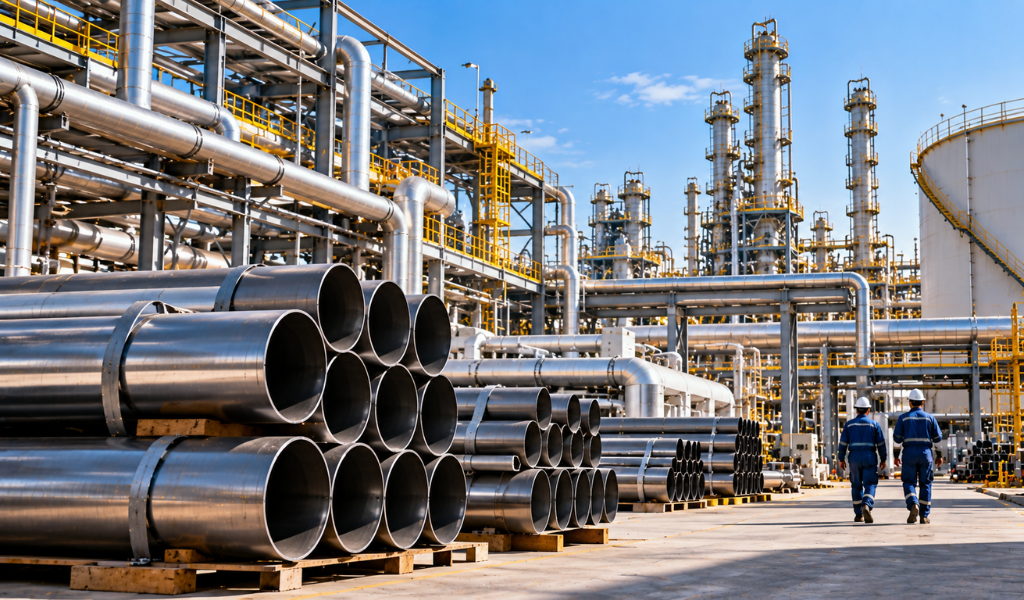
Hollow structural steel tubes form the core of bridges, industrial warehouses, and pipelines, while hollow steel tubes provide adequate strength for load-sensitive scaffolding and modular structures.
Understanding the Types of Steel Tubes
Before we select the right kind of steel tubes, we need to know the types of steel tubes. The most common types include:
- Seamless Steel Tubes – These are non-welded tubes that are stronger than welded tubes. Perfect for a strong, high-pressure application and heavy industrial use.
- Welded Tubes — manufactured by welding a rolled steel plate or strip, typically cheaper and preferred for structural applications
- Hollow Steel Tubes – Tubes used in frameworks, handrails, and modular constructions, they are lightweight.
- Galvanized Steel Tubes – Suitable for outdoor use, as it is coated with zinc to help prevent corrosion.
- ERW Tubes – Normally used in medium-pressure pipelines & structural work About the Author
Tip: Choose tube type according to project parameters such as loads, environment, and budget.
Key Factors When Choosing Steel Tubes
1. Project Requirements
Determine whether your project needs:
- Load-bearing capacity – structural projects need thicker, seamless tubes.
- Environmental resistance –Galvanized or coated tubes are resistant to corrosion in extreme climates
- Dimensional – local engineering standards must be satisfied in regards to structural steel tube sizes and tolerances.

2. Supplier Reliability
Choosing professional suppliers of steel tubes ensures high quality and timely delivery. Look for suppliers who provide:
- Quality certifications (ISO, ASTM standards)
- Transparent pricing and contracts
- Installation support and technical guidance
- Experience in the Saudi Arabia steel tubes market
Tip: Work with suppliers that have experience in providing infrastructures large capacity structural pipeline steel tubes for large-scale projects.
3. Material Specifications
Verify that the material complies with structural requirements:
- Carbon content – influence on strength ductility
- Surface treatment – galvanisation, painting, or coating for rust prevention
- Dimensions and Tolerances – these take precise control to make sure the tubes will fit perfectly in your design plans.
We use standard-compliant steel that ensures durability and stability.
4. Cost Considerations
Welded or hollow steel tubes can be cheaper than seamless steel tubes, but seamless ones are stronger and used for construction. Consider:
- Cost per meter or ton
- Transportation and handling fees
- Maintenance and lifespan
Balance between price and durability helps on both econometric and structural efficiency.
5. Applications and Versatility
Steel tubes are industry wide:
- Construction – framing, scaffolding, pipelines
- Industrial Facilities – machine racks, storage systems
- Infrastructure Projects — bristles, railings and structural foundations
Choose the right type that can be used for versatile applications without compromising on design/load requirements.
How to Evaluate Steel Tubes Suppliers in Saudi Arabia?
When purchasing tubes, you need to assess the potential suppliers according to:
- Market Reputation – Check experience in Saudi Arabia steel tubes market.
- Product Range – Availability of different types of steel tubes.
- Technical Support – Guidance on steel tube sizes and tolerances.
- Delivery Timelines – Reliability in meeting project deadlines.
- Compliance & Certifications – ISO, ASTM, or local Saudi standards.
Tip: Local suppliers tend to deliver quicker and customize their services better than international vendors.
Conclusion
Choosing the right steel tubes is crucial for project success in Saudi Arabia’s demanding construction and industrial sectors. By evaluating types of Steel Tubes, material quality, supplier reliability, and cost, project managers can ensure durable, efficient, and safe constructions. Investing time in selecting the correct tubes pays off in reduced maintenance, enhanced structural performance, and long-term savings.
Whether it’s hollow steel tubes for lightweight frameworks or infrastructures structural steel tubes for heavy-duty applications, the right choice defines the future success of your project.
FAQs on Steel Tubes
1. Where to buy steel tubes in Riyadh or Jeddah?
You can source high-quality steel tubes from certified local suppliers in Riyadh and Jeddah who offer both seamless and welded tubes for various applications.
2. Steel tube price per meter Saudi Arabia?
Prices vary depending on the type, thickness, and material, with seamless tubes costing more than welded tubes due to superior strength and production methods.
3. Best seamless steel tube manufacturer in KSA?
Look for manufacturers with ISO certification, a proven track record, and experience supplying tubes for infrastructures structural steel tubes projects.
4. Steel tube sizes and tolerances for structural work?
Standard structural projects require adherence to local engineering codes, with precise tolerances to ensure safety and structural stability.
5. How long do steel tubes last in desert climate?
With proper material selection, surface treatment (e.g., galvanization), and maintenance, steel tubes can last 20–50 years even under harsh desert conditions.