The Essential Guide to Steel Pipes: Types, Uses, and Benefits
Steel pipes play a vital role in modern construction, infrastructure, and industrial development. Steel pipes have a variety of applications from water and oil transportation to supporting massive buildings and structures as well. The needs of quality steel piping solutions have taken on a booming form as the industries expand further than before and there are more constructions than ever with evolving standards of buildings, especially in the fast-developing countries like Saudi-Arabia.
This comprehensive guide explains what steel pipes are, their major types, common applications, and the key benefits that make them indispensable across industries.
What Are Steel Pipes and Why Are They Important?
Steel pipe is a type of pipe that is made up of a long, hollow tube of metal that is used to transport gas or fluids or to provide mechanical support. Steel is unique from so many other materials in that it has a great strength to density ratio, is durable for decades when properly treated, and is corrosion resistant.
Due to the capability of steel pipes to bear high pressure, higher temperatures & severe environmental conditions, they are primarily used in sectors like construction, oil as well as gas, manufacturing & infrastructure. They are a long-term investment and not a quick fix because of their reliability.
Understanding the Different Types of Steel Pipes
There are many kinds of steel pipes for different use. The selection of a specific type depends upon the application, load requirement and the environment of operations.
Seamless Steel Pipes
These pipes are produced without a welded seam because there is no welded seam in a seamless steel pipe, so they are suitable for high pressure and high-temperature services. They are frequently used in oil gas pipelines, power generation and other large industrial applications.
Welded Steel Pipes
Welded pipes are made by rolling steel plates and welding the seam. Pipes are used on construction sites, for water supply lines, and as structural members, among other applications, because they are inexpensive, and they are available in large diameters.
Stainless Steel Pipes
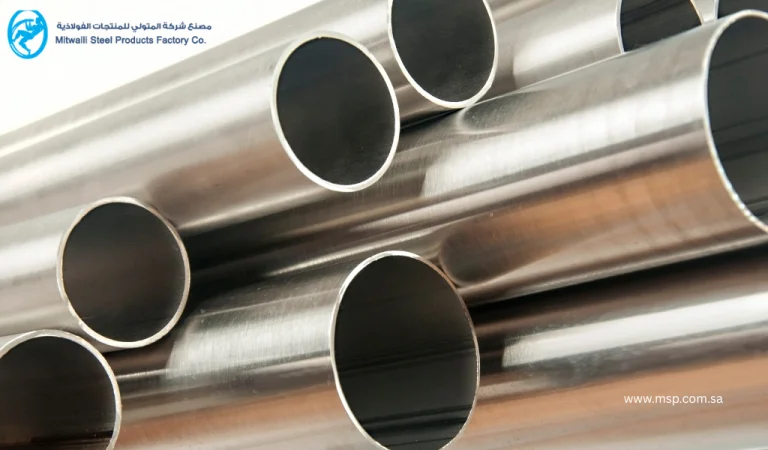
Stainless steel pipes Saudi Arabia are in high demand for applications requiring corrosion resistance and hygiene, such as food processing, chemical industries, and water treatment plants. Their clean finish and long lifespan make them suitable for both industrial and architectural uses.
Steel Pipes & Tubes: What’s the Difference?
While the terms steel pipes & tubes are used interchangeably, there is a technical difference. Pipes are mainly used for transporting liquids and gases, but tubes are often used as structural and mechanical components.
Tubes are given outer diameter and thickness specifications, allowing for tighter tolerances. Unlike tubes, pipes are categorized based on nominal size and schedule. Recognizing this distinction allows an engineer or contractor to select an appropriate product for their project.

Steel Pipes for Construction: A Strong Foundation
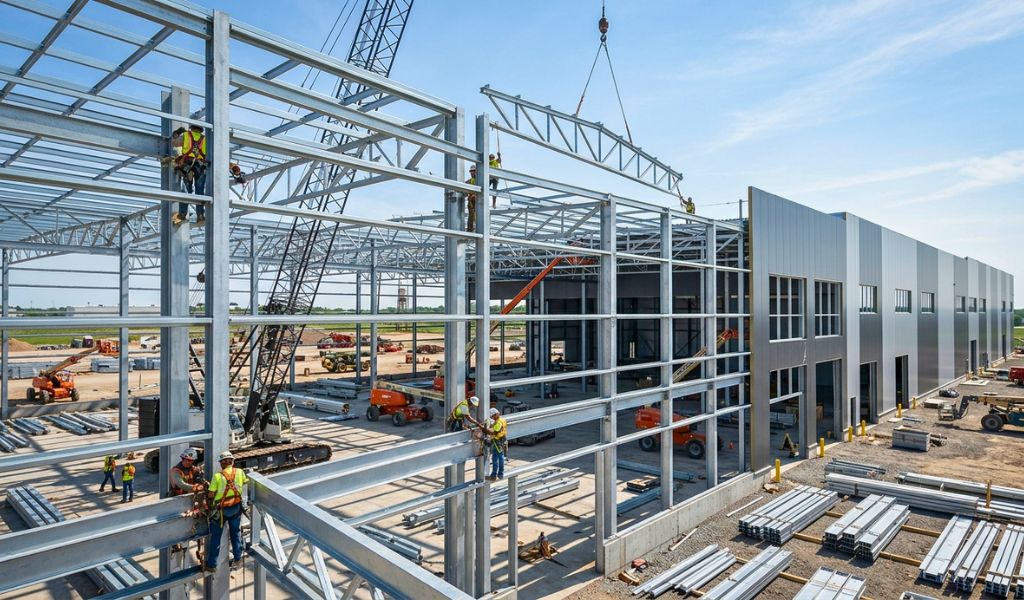
Steel pipes used in construction play an important role in contemporary construction sites. They are utilised in piles, columns, foundational and scaffolding systems, and structural frameworks. Because of their capacity to withstand substantial loads while preserving structural soundness, they are perfect for usage in tall buildings, bridges, and industrial plants.
Steel pipes help to minimize overall weight of the structure as well as providing a higher strength than most additional materials. It enables faster construction and more design freedom, particularly for larger designs.
The Role of a Steel Pipes Factory in Quality Assurance
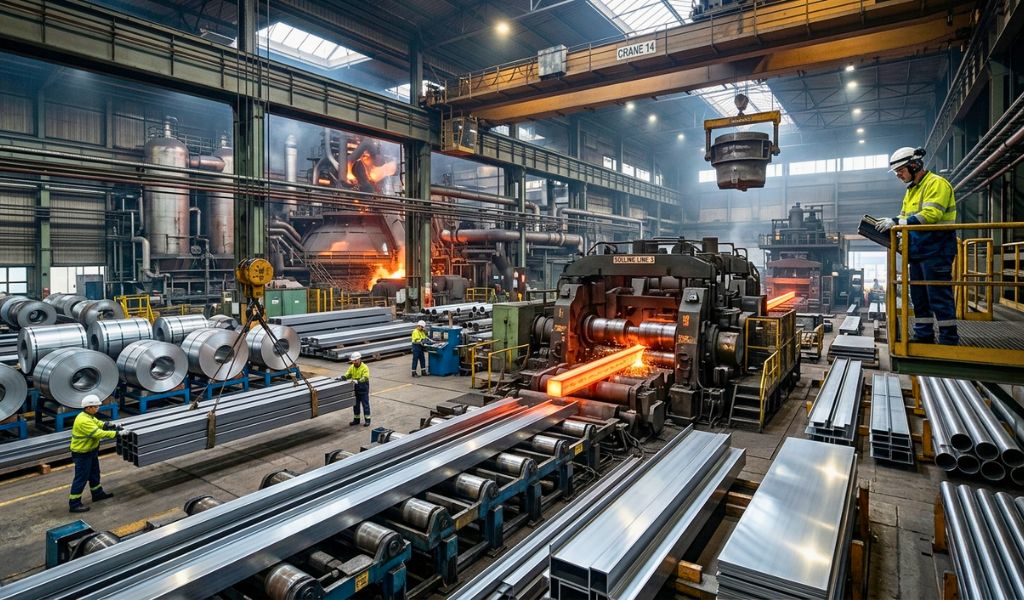
The quality and characteristics of the final product depend on the type of steel pipes factory used. Pipes produced with the help of advanced manufacturing techniques, quality testing, and precision engineering by modern factories, complying with international standards.
The performance of the pipe is affected at every stage of production beginning from the selection of raw material to the inspection of the final product. It is strategic, because collaborating with a factory that has already been certified guarantees you the quality of the steel pipes that need to be durable and qualified глобаль.
Choosing the Right Steel Pipes Company
The company that you choose for steel pipes is just as important as the product you choose. A good supplier does provide technical assistance, product adaptation, timely delivery and after sales service.
A seasoned firm is well versed in the national standards, municipal bylaws and project requirements. The resulting expertise mitigates risk, prevents delays, and ensures the success of construction or industrial projects.
Key Benefits of Using Steel Pipes
There are many reasons why steel pipes have become a go-to in various industries:
Strength and Durability
This makes steel pipe is also great for bearing high pressure, heavy loads, and/or extreme temperatures. This enables them for use in rugged environments where reliability is paramount.
Long Service Life
Steel pipes can last several decades if the right coating has been applied and properly maintained. In particular, stainless steel pipes provide exceptional corrosion and chemical resistance.
Versatility
Common applications for steel pipes include construction, infrastructure, oil and gas, manufacturing, agriculture, and utilities. This versatility renders them a “one-size-fits-all” device for various applications.
Cost Efficiency Over Time
While the up-front costs can be greater than other options, the maintenance and replacement costs associated with steel pipe are lower, yielding lower lifecycle costs.
Also read: How to Choose the Right Steel Pipes for Your Saudi Construction Project?
Sustainability
Another reason to consider steel pipes can be attributed to recyclability of steel. Recycling steel minimizes waste and promotes sustainable practices in construction industries.
Applications of Steel Pipes Across Industries
Since steel is one of the most adaptable materials on the planet, steel pipes find application in many industries.
- Construction: Structural support, piling, scaffolding, and frameworks
- Oil and Gas: Transportation of crude oil, natural gas, and refined products
- Water Supply: Municipal water distribution and sewage systems
- Manufacturing: Machinery, equipment, and industrial systems
- Agriculture: Irrigation and water management systems
Depending on the application, certain pipe grades, sizes, and coatings are needed for optimal performance.
Why Steel Pipes Are Ideal for Saudi Arabia’s Climate?
The climate also offers unique challenges, high temperature and exposure to sand and moisture typical to Saudi Arabia. Steel pipes do well in this situation — particularly stainless or coated steel.
These stains are resistant to heat, pressure and corrosion and enable long-lasting life in industrial zones, coastal and desert environments. As a result, this durability also leads to lower maintenance requirements and stable performance over the years.
Final Thoughts
From construction sites to industrial plants, steel pipes are an essential component of modern development. Their strength, versatility, and durability make them a reliable solution for projects of all sizes.
By sourcing products from a trusted steel pipes factory and working with an experienced steel pipes company, businesses can ensure quality, safety, and long-term value. Whether for infrastructure, industry, or steel pipes for construction, investing in the right steel piping solution is a decision that pays off for years to come.
FAQs: Steel Pipes
1. What are steel pipes mainly used for?
Steel pipes are used for fluid transport, structural support, construction frameworks, and industrial systems due to their strength and durability.
2. Are stainless steel pipes suitable for Saudi Arabia’s climate?
Yes, stainless steel pipes Saudi Arabia are ideal due to their corrosion resistance and ability to withstand high temperatures.
3. What is the difference between steel pipes & tubes?
Pipes are mainly used for fluid transport, while tubes are typically used for structural and mechanical applications.
4. How do I choose a reliable steel pipes company?
Look for experience, quality certifications, manufacturing capabilities, and strong customer support when selecting a supplier.
5. Why are steel pipes preferred for construction projects?
Steel pipes for construction offer high load-bearing capacity, durability, faster installation, and long-term cost efficiency.